WINTER IN BIG BEAR
Snow Play & Sledding in Big Bear Lake
Find free natural snow play in the National Forest, family-friendly sledding areas and maintained tubing parks around Big Bear.
Best For
Families & non-skiers
Options
National Forest + tubing parks
Natural Snow
Conditions vary
Plan For
Parking + winter roads
The Overview
Snow Play in Big Bear Lake
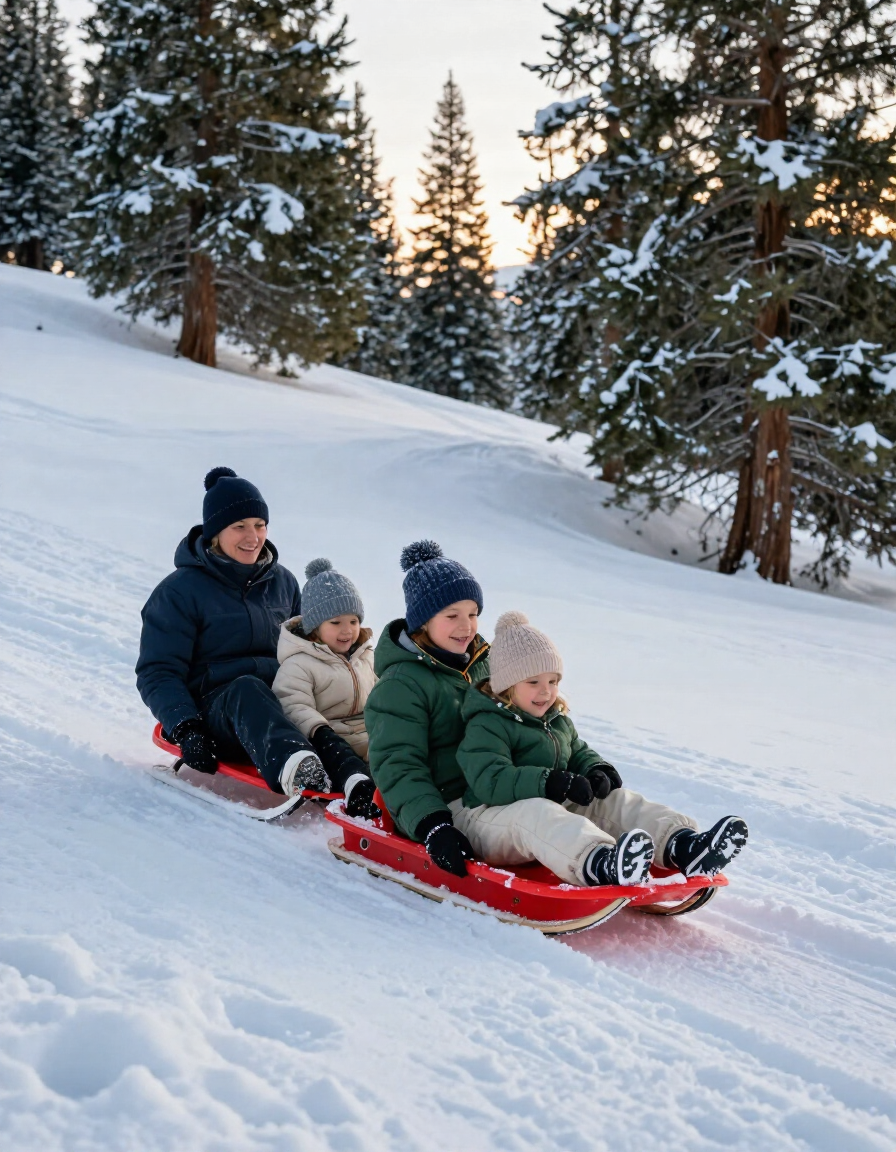
You don't need a lift ticket to have a great snow day in Big Bear.
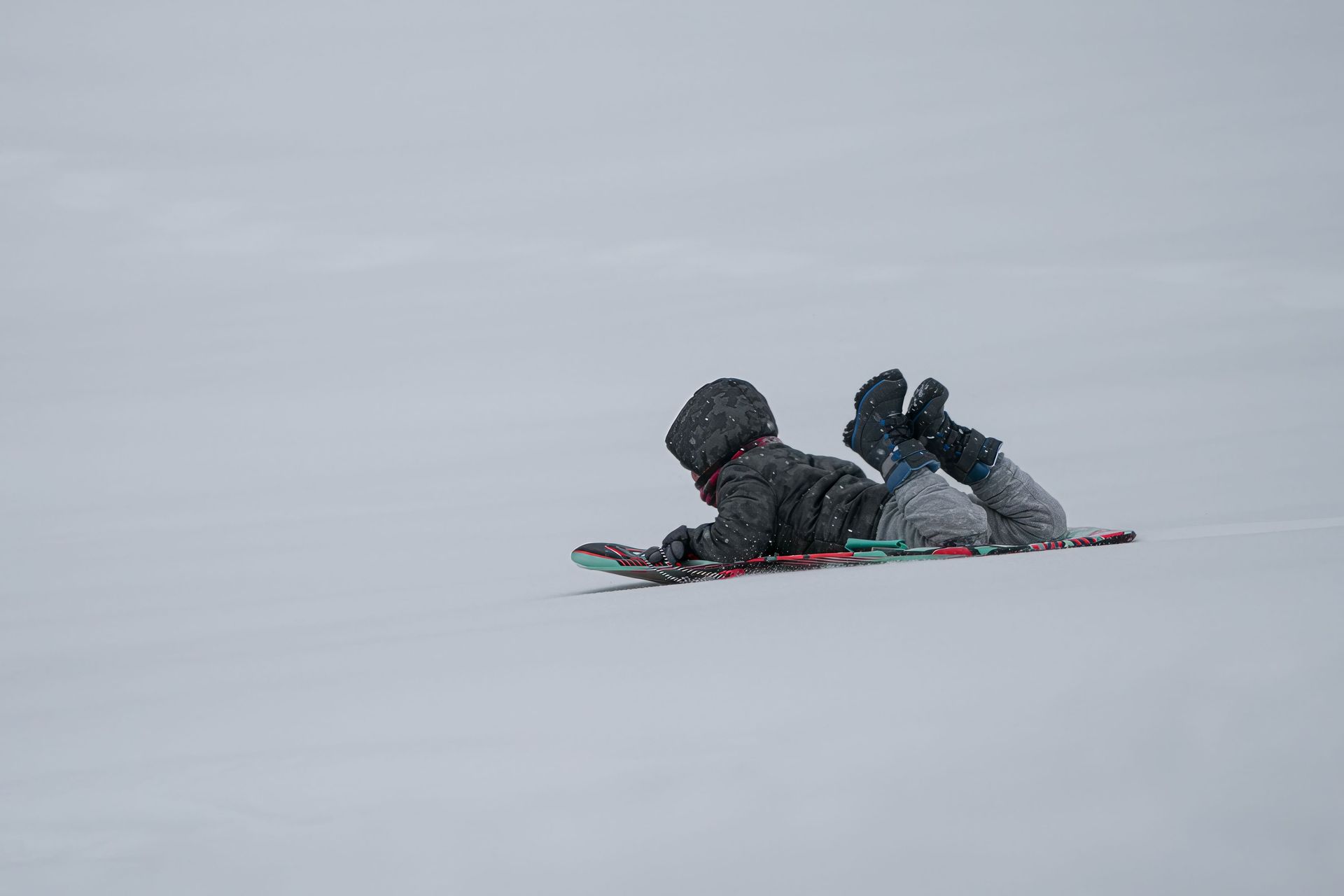
When enough natural snow falls, the forests surrounding Big Bear Lake open up opportunities for simple winter fun: sledding, building snowmen, throwing snowballs and letting kids experience the snow without spending the day at a ski resort.
There are also commercial tubing parks with maintained hills and snowmaking, which can be a better choice when natural snowfall is limited or when you want a more predictable experience.
The important thing is understanding that these are two very different kinds of snow days. Natural snow play depends on recent snowfall, safe terrain, legal access and parking. Commercial tubing parks are managed attractions with designated hills.
If you're looking for the free version, the San Bernardino National Forest is where the conversation starts. Looking for the bigger winter picture? Start with our Winter in Big Bear guide or the Things to Do hub.
Free Snow Play
Where to Go Sledding in Big Bear for Free
There isn't one official free Big Bear sledding hill that is groomed, monitored and guaranteed to have snow.
Instead, much of the land surrounding Big Bear Valley is part of the San Bernardino National Forest. After sufficient natural snowfall, public forest land can provide opportunities for informal snow play.
That gives visitors far more options than simply paying admission to a tubing park, but it also means you're responsible for figuring out whether the land, parking and hill are appropriate.
THE MOST IMPORTANT THING TO UNDERSTAND
Snow on the ground does not automatically mean you can park and sled there.
Big Bear includes a mixture of:
National Forest land
private property
residential neighborhoods
City property
developed recreation sites
highways and road rights-of-way
seasonal recreation areas
Choose the parking and access first, then look for safe snow-play terrain.
Public Land
National Forest Snow Play
The San Bernardino National Forest surrounds much of Big Bear Lake and Big Bear City. The Forest Service's Big Bear visitor map identifies recreation sites, trails, forest roads and public recreation land throughout the area.
After a substantial snowfall, this public-land setting is what makes natural snow play in Big Bear different from visiting a commercial tubing attraction. You're not necessarily looking for a place with a sign that says SLEDDING HERE. You're looking for an appropriate area of accessible public land with:
Enough natural snow + legal access + legal parking + safe terrain.
That's also why conditions need to be checked every trip. A hill that works after a large January storm may have almost no snow after several sunny days.
Where to Look
Areas to Start Looking for Natural Snow Play
AREA 01 · West Big Bear / National Forest recreation area
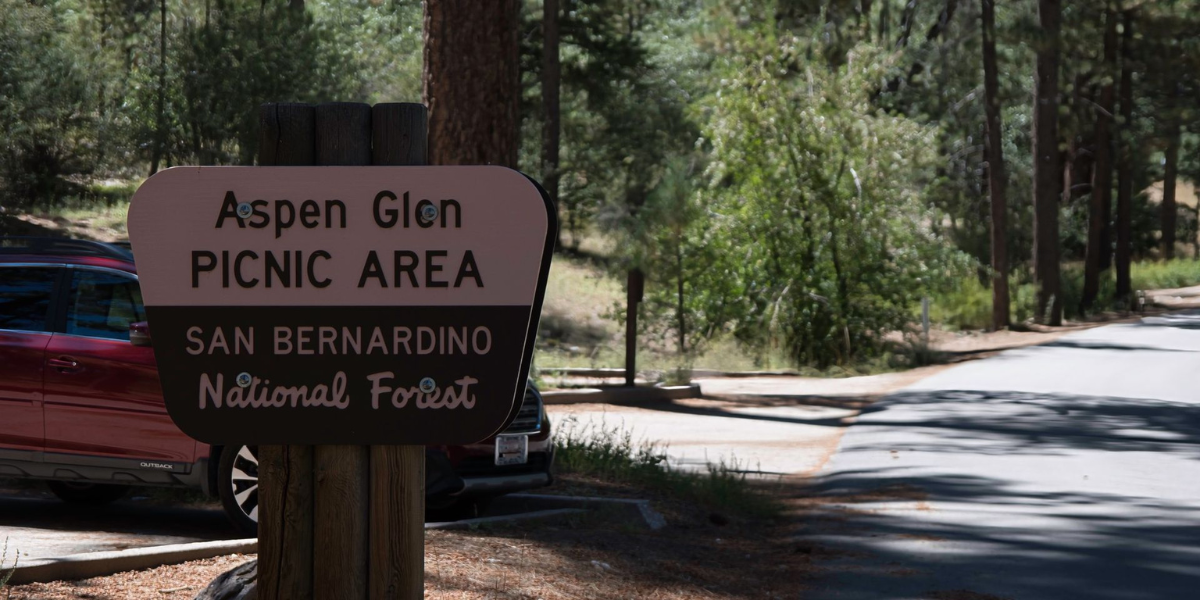
Aspen Glen Area
Aspen Glen is a developed Forest Service recreation site near the western side of Big Bear Lake. The Forest Service specifically lists Aspen Glen among its Big Bear recreation-fee sites.
After sufficient natural snowfall, the surrounding forest setting makes this part of the valley one area visitors may investigate for winter recreation and snow play.
Know before you go: Snow coverage is natural and therefore not guaranteed. Check current access and conditions, and don't assume every slope around the recreation area is appropriate for sledding.
AREA 02 · Fawnskin / North Shore
North Shore National Forest
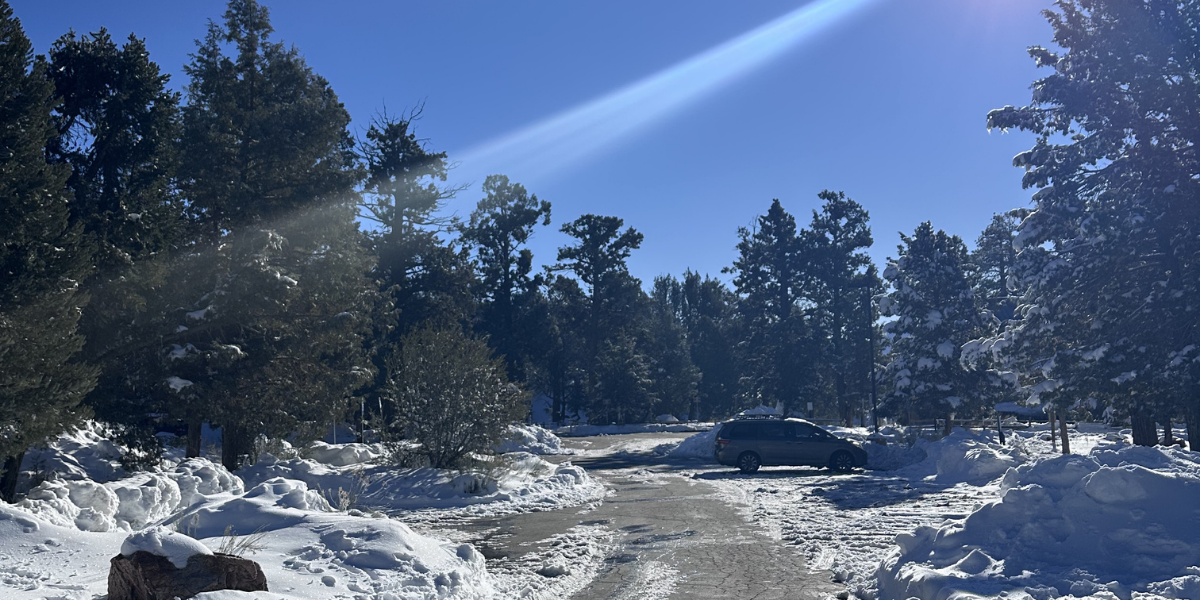
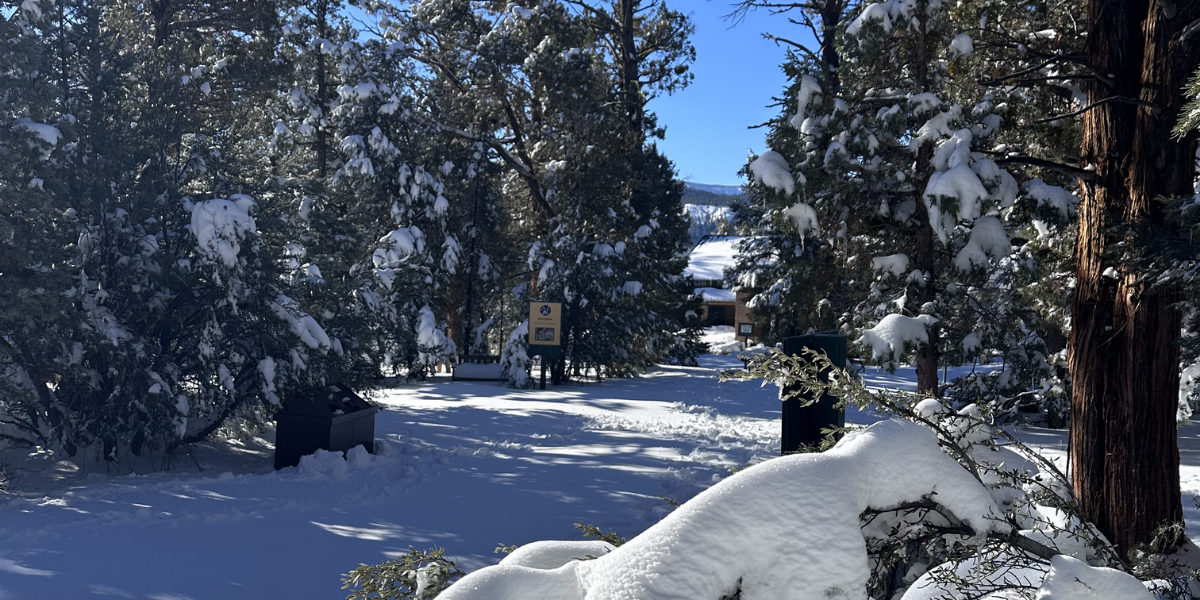
The north side of Big Bear Lake provides extensive access to San Bernardino National Forest recreation land.
Forest Service recreation areas in this part of the valley include Grout Bay, Cougar Crest, Woodland, Juniper Point, Meadows Edge and the Big Bear Discovery Center area.
Keep in mind: do not treat every named recreation area as a guaranteed sledding hill. Some locations are trailheads or picnic areas, terrain varies, and seasonal closures can affect access.
AREA 03 · Backcountry access
Forest Roads & Undeveloped National Forest
Beyond developed recreation areas, a network of Forest Service roads extends into the mountains around Big Bear. These areas can look tempting after fresh snowfall, but winter conditions can dramatically change access.
A forest road shown on a map may be:
- covered in deep snow
- icy
- unplowed
- seasonally closed
- gated
- unsuitable for a passenger vehicle
Don't drive farther into the forest simply because your navigation app shows a road. A safely accessible area of public land is far more useful than getting your vehicle stuck trying to find untouched snow.
Parking Passes
Do You Need an Adventure Pass?
Sometimes, and this is worth checking before you park.
The National Forest Adventure Pass is used at recreation-fee locations within the San Bernardino National Forest. Forest Service materials identify several Big Bear recreation sites where a pass is required, including Aspen Glen, Grout Bay and designated trailhead parking areas. The Forest Service also recognizes qualifying federal Interagency passes in place of an Adventure Pass.
THE SIMPLE RULE
Check the requirements for the specific place where you're parking.
Don't assume that National Forest = paid parking everywhere, or that National Forest = free parking everywhere. Requirements depend on the recreation site.
BEFORE LEAVING THE CAR
Check for posted signs at the recreation area or trailhead. If a recreation pass is required, make sure yours is properly displayed.
Choose Safely
How to Find a Good Natural Sledding Spot
01
CONFIRM YOU'RE ON PUBLIC LAND
Don't assume an empty snowy lot or hillside is public. Use Forest Service recreation information and maps to understand where National Forest land is located. Forest Service mapping itself cautions users that map information can change and shouldn't substitute for verifying current restrictions and conditions.
02
FIND LEGAL PARKING FIRST
In Big Bear, parking can be more difficult than finding snow. Your vehicle should be completely out of the roadway and should not block:
- snowplows
- emergency vehicles
- driveways
- gates
- traffic
- other recreation access
A snowbank isn't automatically a parking space. And a line of other illegally parked vehicles doesn't make the parking legal.
03
WALK THE ENTIRE HILL
Before sending a child down a hill, walk it. Fresh snow can hide:
- rocks
- logs
- tree stumps
- drainage channels
- ice
- holes
- fences
Look at the hill from the bottom as well as the top.
04
CHECK THE RUNOUT
Where does the sled stop? A great-looking hill is a terrible sledding hill if the bottom leads directly toward:
- a road
- parked vehicles
- trees
- rocks
- a creek
- a fence
- a drop-off
Look for a gentle hill with plenty of relatively flat, obstacle-free space at the bottom.
05
LOOK AT THE SNOW ITSELF
Fresh powder isn't automatically safe. A thin layer of snow can hide rocks and other obstacles. Older snow can go through repeated daytime melting and nighttime freezing, creating a much harder and faster surface. The same hill can behave completely differently from one weekend to the next.
Safety Warning
Don't Sled Next to the Highway
SNOW DOESN'T MAKE THE SHOULDER A PARKING LOT
After a storm, visitors naturally stop when they see a promising patch of snow. But Highways 18 and 38 remain active mountain roads used by residents, visitors, snowplows and emergency vehicles.
Don't choose a sledding hill simply because you can see it from the highway. And never choose a slope where an out-of-control sled could reach the road. The same applies to residential streets.
Finding a safe place to stop the car is part of finding a safe place to play.
Side by Side
Free Snow Play or a Tubing Park?
Natural Snow Play
Tubing Park
Admission
Usually none
Paid admission
Natural snowfall needed
Yes
Often supplemented by snowmaking
Hill
You choose
Maintained
Equipment
Bring your own
Attraction-specific
Parking
You must verify
Designated
Adventure Pass
May apply at Forest Service fee sites
No
Restrooms
Often unavailable
Typically available
Supervision
None
Managed attraction
WHICH IS BETTER?
If you've promised your kids a day of tubing and you're driving several hours specifically for it, a tubing park is the more predictable choice.
If Big Bear has recently received plenty of natural snow and you want a more independent day outside, exploring appropriate National Forest recreation areas can provide an entirely different experience.
Maintained Hills
Paid Snow Tubing in Big Bear
Natural snow isn't always available. That's where Big Bear's commercial snow-play attractions become valuable. Snowmaking and maintained hills can create a more predictable experience even when snow coverage elsewhere in the valley is limited.
Big Bear Boulevard
BIG BEAR SNOW PLAY
A dedicated tubing and snow-play attraction with maintained hills and snowmaking.
Best for: Families whose main goal is tubing and who don't want to search for natural snow.
Near the Village
ALPINE SLIDE AT MAGIC MOUNTAIN
A longtime Big Bear attraction with winter snow-play activities in addition to its other family attractions.
Best for: Families who want to combine snow play with time near the Village and other activities.
Snow Summit
GRIZZLY RIDGE TUBE PARK
A tubing option located at Snow Summit.
Best for: Families who want snow play while other members of the group are spending time around the ski resort.
IMPORTANT: Always verify current prices, operating hours and age or height requirements directly with the attraction before going. Those details can change.
Reality Check
Is There Enough Snow to Sled?
NATURAL SLEDDING REQUIRES NATURAL SNOW.
Seeing snow at Snow Summit or Bear Mountain doesn't necessarily mean there is enough snow for sledding elsewhere around Big Bear Lake. Ski resorts and commercial tubing operations can make snow. The forest can't.
That means you can sometimes see white ski runs on the mountains while lower-elevation hillsides and recreation areas around the lake are largely bare. Before planning your trip around free snow play, check:
Recent snowfall
When did Big Bear actually receive snow?
Temperatures
Has it remained cold enough for snow to stick around?
Current photos/reports
Are they actually from today or this week?
Elevation
Snow coverage can differ considerably around the valley.
Storm Days
After a Big Bear Snowstorm
Fresh snow creates some of the best natural snow-play conditions. It also creates some of Big Bear's most challenging travel days.
EXPECT MORE TRAFFIC
A major Southern California snowstorm can bring a large influx of visitors to the mountains.
EXPECT PARKING TO BE HARDER
Accessible areas with obvious snow can fill quickly.
EXPECT WINTER ROAD CONTROLS
Chain requirements and other controls may be in effect during and after winter storms.
EXPECT CONDITIONS TO CHANGE
Road conditions at 8 a.m. can be completely different by afternoon.
Step by Step
Planning Your Snow-Play Day
1
CHECK THE SNOW
If you're planning natural snow play, confirm there is actually enough natural snow before leaving home.
2
CHOOSE YOUR TYPE OF DAY
Decide whether you want natural snow play or a commercial tubing park. Don't wait until you arrive to figure this out.
3
HAVE A DESTINATION PLAN
If you're heading into the National Forest, look at public-land and recreation information beforehand. Don't spend hours driving around residential neighborhoods looking for a hill.
4
CHECK PARKING & PASSES
Determine whether your destination has designated parking and whether an Adventure Pass or other recreation pass applies.
5
CHECK THE ROADS
Winter road conditions are part of every Big Bear snow day.
Come Prepared
What to Bring for Natural Snow Play
Natural snow play has no rental counter or lodge waiting at the bottom of the hill. Come prepared.
WEAR
✓ Waterproof jacket
✓ Snow pants
✓ Waterproof boots
✓ Waterproof gloves or mittens
✓ Warm layers
✓ Warm socks
✓ Hat
✓ Eye protection or sunglasses
BRING
✓ Sled
✓ Water
✓ Sunscreen
✓ Snacks
✓ Towels
✓ Extra gloves
✓ Dry socks
✓ Complete change of clothes for kids
✓ Trash bag for wet clothing
✓ Trash bag for anything you bring into the forest
LOCAL TIP
BRING DRY CLOTHES FOR THE KIDS
Snow play gets kids wet much faster than most parents expect. Gloves soak through, snow gets inside boots and somebody inevitably sits in the snow. Keep a complete dry outfit, extra socks and another pair of gloves in the car. It can completely change the ride back to your cabin.
ANOTHER LOCAL TIP
Don't Trust an Old Snow Photo
Big Bear can look completely different within a few days. A photo posted online after a storm may continue circulating long after sunny days have melted much of the snow at that location.
If you're using photos or social media to judge conditions, check when the photo was actually taken, not just when you found it. This matters especially when natural sledding is the main reason for your trip.
Get Local Help
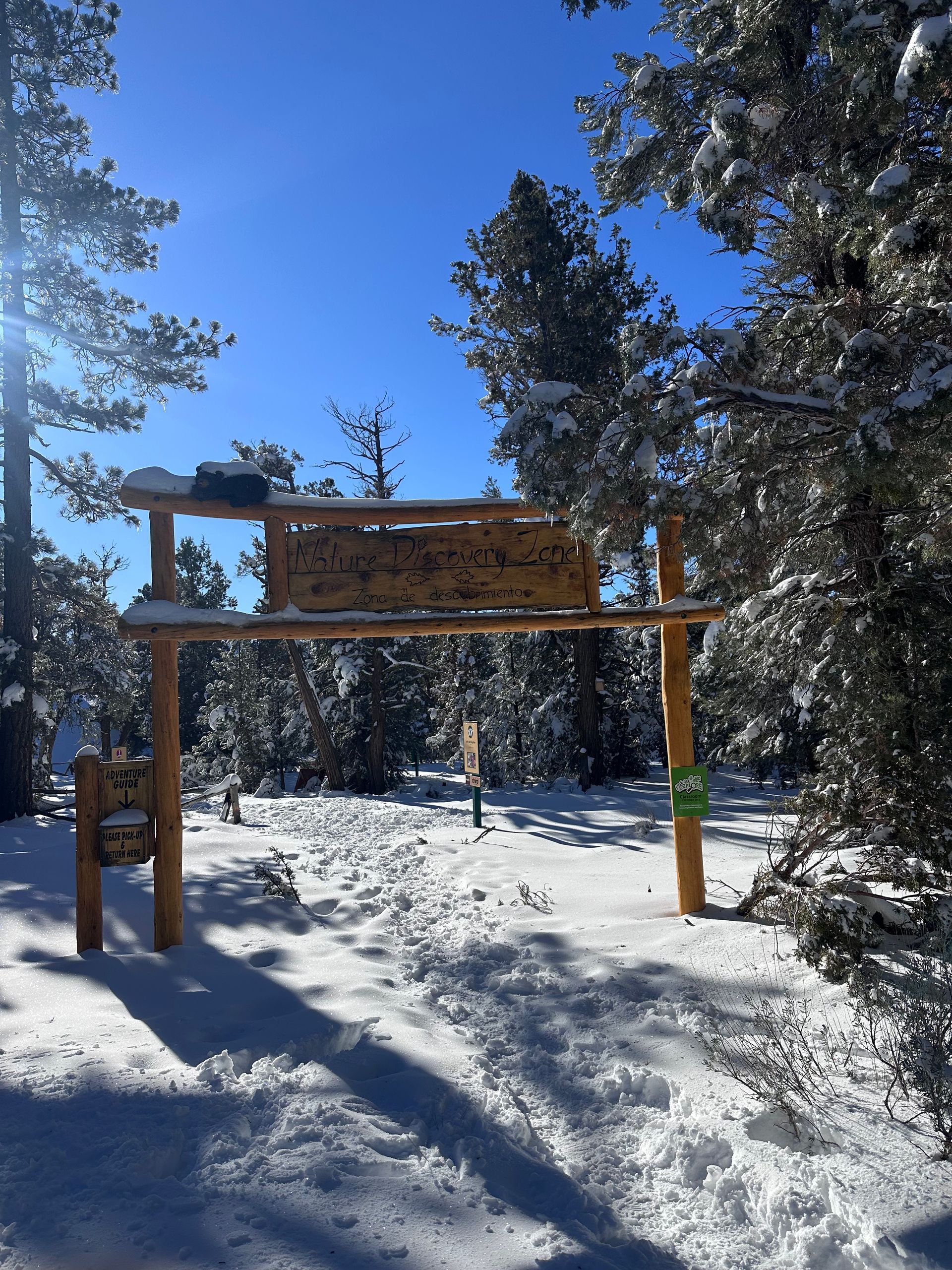
Start at the Big Bear Discovery Center
If you're unfamiliar with the National Forest, the Big Bear Discovery Center is an excellent resource for understanding recreation around Big Bear. Forest Service materials identify the Discovery Center as a source of recreation information, water, restrooms and expert advice about recreation in the San Bernardino National Forest.
This is particularly useful when you need current information about:
- National Forest recreation
- access
- trails
- maps
- seasonal conditions
- recreation passes
Leave the Snow Where You Found It
Snow melts. Everything visitors leave behind doesn't.
Broken plastic sleds, food wrappers, gloves, bottles and other trash become visible as soon as the snow disappears. If a cheap plastic sled cracks, take the pieces with you.
Pack out everything you brought into the forest.
More Ways to Enjoy Winter
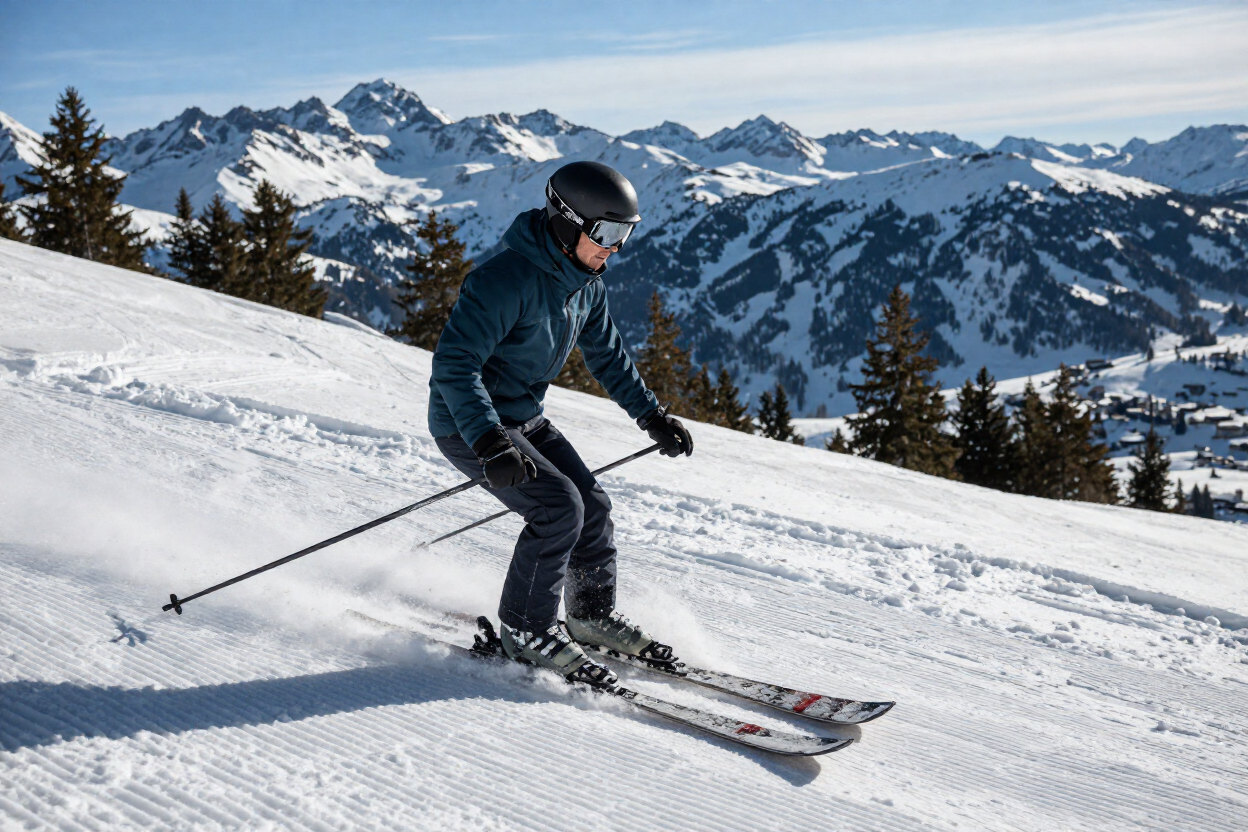
SKIING
Two mountains and terrain for beginners through experienced skiers.
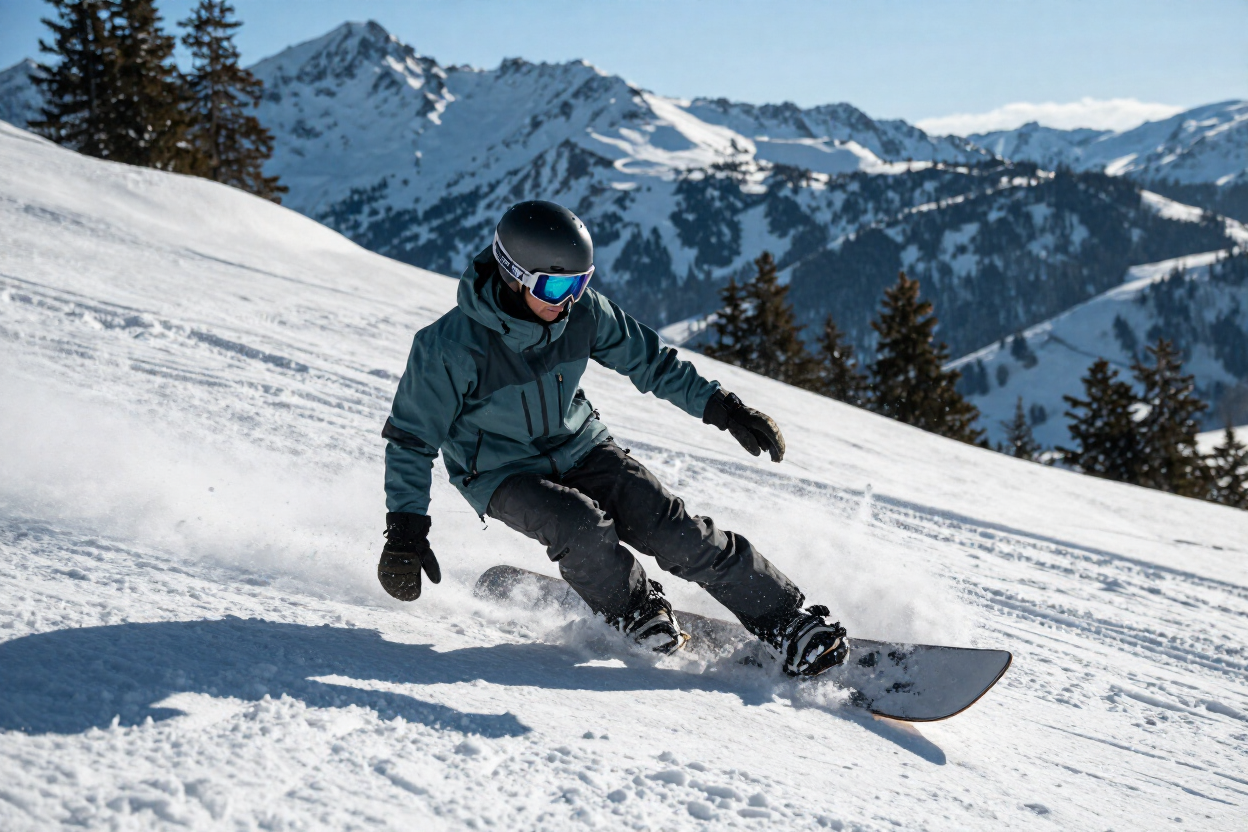
SNOWBOARDING
Terrain parks, groomed runs and two very different mountains.
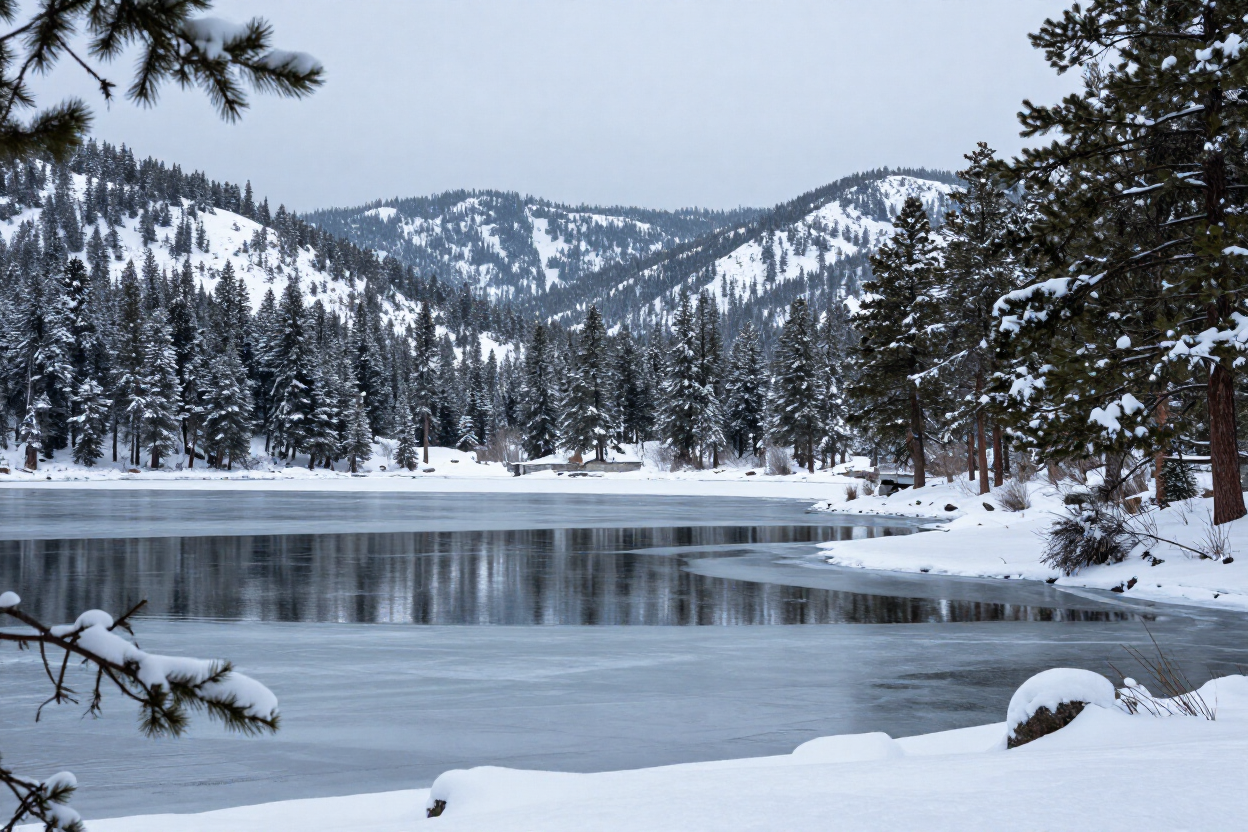
WINTER IN BIG BEAR
Snow conditions, winter activities and everything you need to plan your trip.
Snow Play & Sledding FAQs
Where can I go sledding for free in Big Bear?
After sufficient natural snowfall, public land in the San Bernardino National Forest can provide opportunities for informal snow play around the Big Bear Valley. There isn't one guaranteed free sledding hill, so visitors should confirm public-land access, legal parking and safe terrain before sledding.
Do I need an Adventure Pass to go sledding in Big Bear?
An Adventure Pass may be required when parking at certain Forest Service recreation-fee sites. Requirements depend on the specific location, so check Forest Service information and signs where you park. Qualifying federal Interagency passes may also be accepted.
Is there free snow play in Big Bear?
Yes. Natural snow play on appropriate public land does not require admission to a commercial tubing park. However, it depends on natural snowfall, safe access and legal parking, and some developed Forest Service recreation sites require a parking/recreation pass.
Is Aspen Glen a sledding area?
Aspen Glen is a developed San Bernardino National Forest recreation site and a designated recreation-fee location. Snow play opportunities depend on current natural snow, access and conditions. Treat it as a National Forest recreation area rather than a guaranteed groomed sledding hill.
Can I sled anywhere in the San Bernardino National Forest?
No. Being near the National Forest doesn't mean every hillside is appropriate for sledding. Confirm you're on public land, follow current restrictions, park legally and choose terrain with a safe slope and runout.
Can you sled in Big Bear without recent snowfall?
Natural sledding may be poor or impossible without enough recent snowfall. Commercial tubing attractions may still have usable snow because some use snowmaking.
Where can I go tubing in Big Bear?
Big Bear has several commercial snow-play options, including Big Bear Snow Play, Alpine Slide at Magic Mountain and Grizzly Ridge Tube Park at Snow Summit. Check current operations directly with each attraction before visiting.
Can I bring my own sled?
For natural snow play, bring your own sled or appropriate snow-play equipment. Commercial tubing parks have their own equipment policies, so check with the individual attraction before bringing outside equipment.
Do I need chains to go sledding in Big Bear?
Chain controls depend on road and weather conditions, not the activity you're doing. Winter road restrictions can change quickly during and after storms, so check current road conditions before driving to Big Bear.
What's the best time to go sledding in Big Bear?
For natural sledding, the best opportunity is generally after enough natural snowfall has accumulated and roads are safely accessible. Commercial tubing parks can offer more predictable conditions because some supplement natural snowfall with snowmaking.