Best Hikes in Big Bear Lake
The Village is the center of shopping, dining, and nightlife in Big Bear Lake. Whether you're looking for breakfast before a hike, dinner after a day on the lake, or simply somewhere to walk around, chances are you'll end up spending time here.
There isn't one trail that deserves to be called the best hike in Big Bear. The right choice depends on what you actually want from the day. Some visitors want lake views without a difficult climb. Families may prefer a short forest trail. Others simply want somewhere peaceful to walk a dog or watch wildlife.
These are our picks based on the experience you're looking for.
Best Easy Lake Walk: Alpine Pedal Path
Distance: 3.2 miles one way
Difficulty: Easy
Elevation Gain: Minimal
Dogs: Yes
Best For: Lake views, bikes, strollers and casual walking
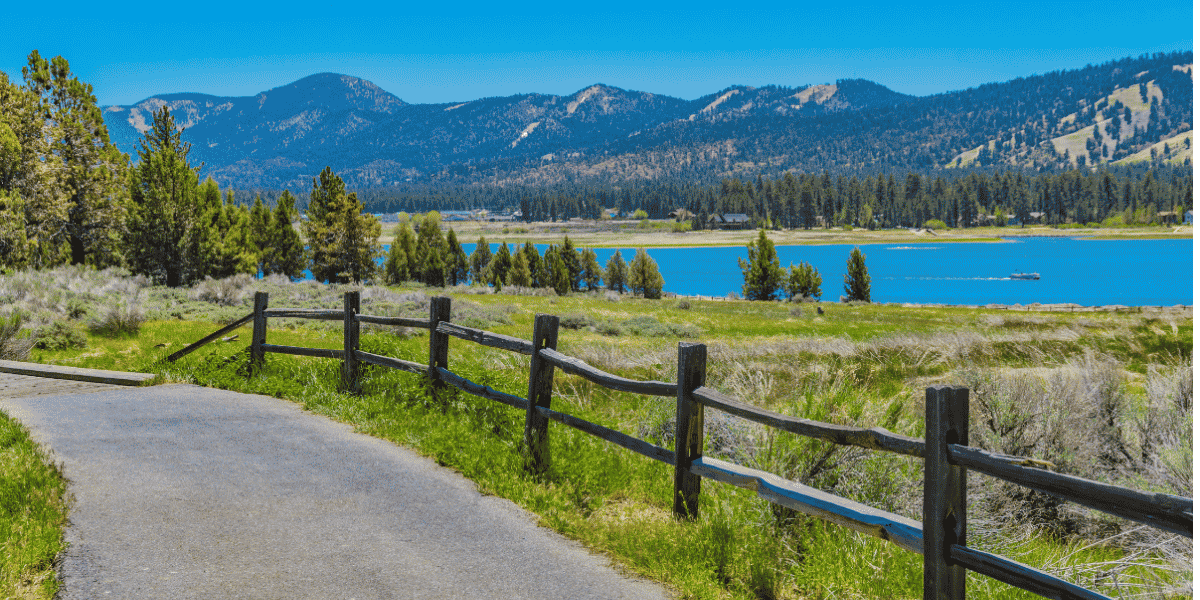
The Alpine Pedal Path is one of the easiest ways to experience Big Bear Lake on foot. The paved route follows the north shore with frequent views of the lake, surrounding mountains and ski slopes across the water.
You don't need to walk the entire 3.2 miles. Several access points make it easy to choose a shorter out-and-back walk, which is one reason the trail works for so many different visitors.
Unlike most mountain hikes, there are no major climbs or difficult trail sections.
Best Family Hike: Woodland Interpretive Trail
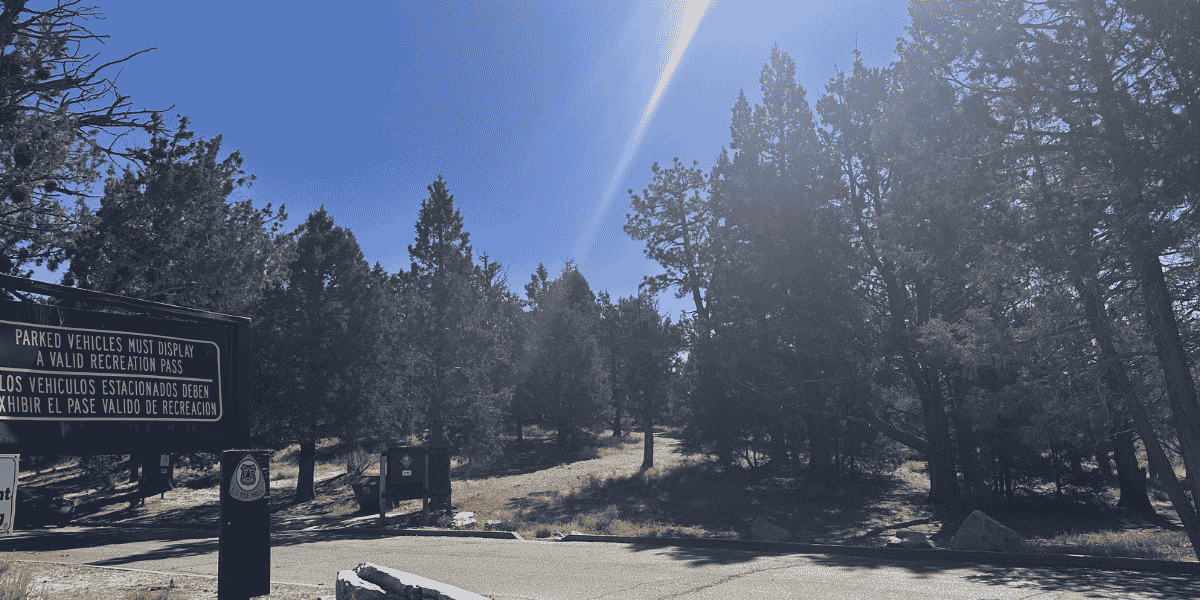
Distance: 1.5-mile loop
Difficulty: Moderate
Elevation Gain: Approximately 300 feet
Dogs: Yes
Best For: Families, forest scenery and educational stops
The Woodland Interpretive Trail combines a real mountain-trail experience with a manageable distance.
Sixteen interpretive stops explain the area's plants, wildlife, geology and forest ecosystem, while giant granite boulders give younger hikers plenty to explore along the way.
Don't mistake the short distance for a completely flat walk. The trail gains roughly 300 feet and includes dirt and rocky sections, so it requires more effort than the Alpine Pedal Path or Discovery Center Nature Trail.
Best Short Nature Walk: Discovery Center Nature Trail
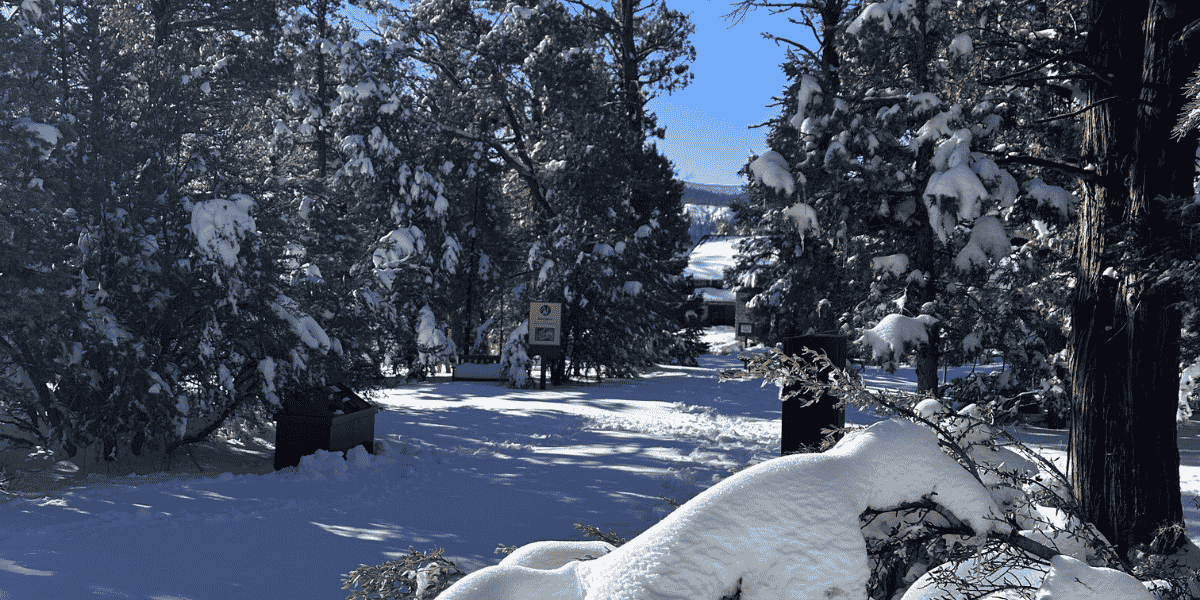
Distance: Approximately 0.5 mile
Difficulty: Easy
Elevation Gain: Minimal
Dogs: Yes
Best For: Young children, limited mobility and a quick forest walk
The Discovery Center Nature Trail isn't really a traditional hike.
It's a short nature walk directly behind the Big Bear Discovery Center and works especially well for families with young children, visitors adjusting to the altitude or anyone who wants to get outside without committing to a longer trail.
Interactive features give younger kids something to explore, while the Discovery Center provides convenient parking, restrooms and visitor information nearby.
Best Wildlife Walk: Stanfield Marsh Boardwalk
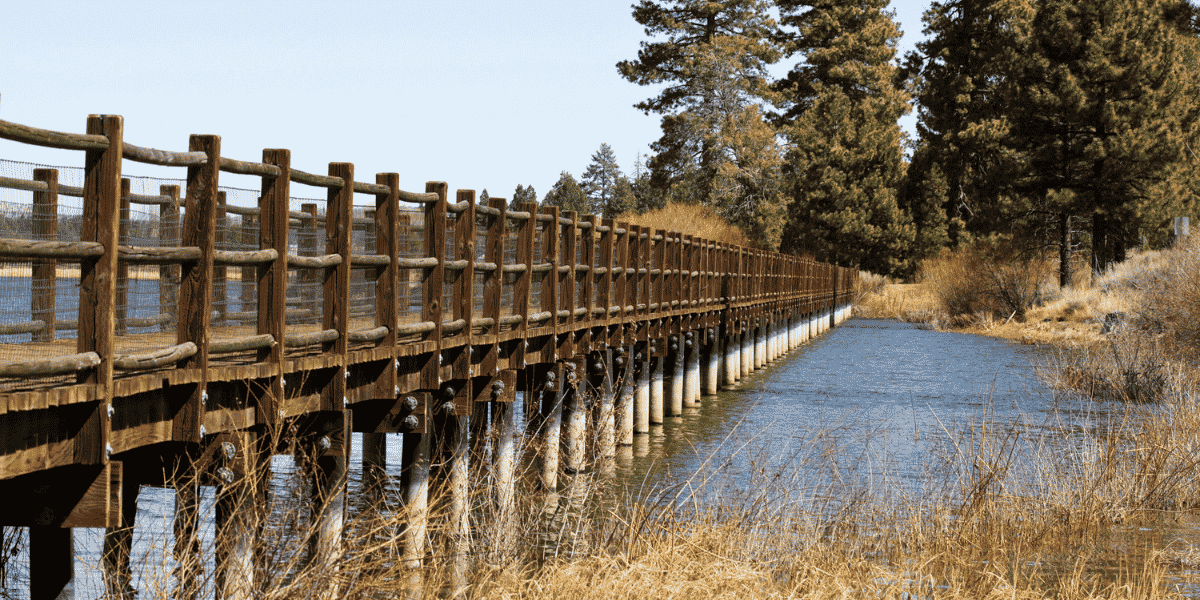
Distance: Short walk
Difficulty: Easy
Elevation Gain: Minimal
Dogs: Yes
Best For: Birdwatching, sunsets and wildlife
Stanfield Marsh is less of a hike and more of an easy nature stop.
The flat boardwalk crosses an important wetland habitat at the east end of Big Bear Lake, where visitors may see ducks, geese and other birdlife throughout the year.
It's also one of the easiest outdoor options for visitors who don't want a strenuous hike.
Stay for sunset or continue along Stanfield Cutoff for broader lake views.
Which Big Bear Hike Should You Choose?
| Trail | Distance | Difficulty | Best For |
|---|---|---|---|
| Alpine Pedal Path | 3.2 miles one way | Easy | Lake views and casual walking |
| Woodland Interpretive Trail | 1.5-mile loop | Moderate | Families and forest scenery |
| Discovery Center Nature Trail | Approx. 0.5 mile | Easy | Young kids and short walks |
| Stanfield Marsh Boardwalk | Short walk | Easy | Wildlife and sunsets |
As we add additional complete trail guides to Discover Big Bear Lake, this guide will expand to include more challenging mountain hikes and longer routes.
Before You Hike in Big Bear
Big Bear Lake sits at approximately 6,750 feet, and trails climb higher from there.
Visitors arriving from lower elevation may notice they become winded faster than expected, even on trails that aren't particularly difficult.
Bring more water than you think you'll need, use sun protection and give yourself time to adjust before choosing a strenuous hike.
Do You Need an Adventure Pass?
Some National Forest recreation sites around Big Bear require an Adventure Pass or accepted federal recreation pass for parked vehicles.
Requirements depend on where you park, not simply whether you are hiking.
Explore All Big Bear Hiking Trails
Want more details, parking information and individual trail guides?
Looking for something specific?
Easy Hikes in Big Bear →
Shorter trails and easier walks.
Dog-Friendly Hikes →
Trails to explore with your dog.
Good to Know
Trail difficulty in Big Bear isn't just about mileage. Most hikes begin around 6,750 feet or higher, and elevation gain, sun exposure, rocky terrain, and limited shade can make a short trail feel harder than expected. If you've just arrived from lower elevation, consider starting with an easier trail before tackling one of Big Bear's more strenuous hikes.
Start Planning Your Trip
Now that you know what to expect, build your trip around the things that matter most to you.