Big Bear Lake to Lake Arrowhead
Distance, Drive Time, Mountain Roads & What to Do When You Arrive
Lake Arrowhead is about 28 miles from Big Bear Lake, with a typical drive time of about 1 to 1¼ hours each way when roads and traffic are clear. The main route follows Highway 18 through Running Springs. It's best treated as a half-day or full-day trip rather than a quick side drive.
Quick Notes
Distance
~28 miles
Drive Time
~1–1¼ Hours Each Way
Road Condition
Paved Mountain Highway
At A Glance
Lake Arrowhead is about 28 miles from Big Bear Lake, with a typical drive time of about 1 to 1¼ hours each way when roads and traffic are clear. The main route follows Highway 18 through Running Springs. It's best treated as a half-day or full-day trip rather than a quick side drive.
Drive Overview
Lake Arrowhead is approximately 28 miles west of Big Bear Lake. Despite the short distance, expect about 1 to 1¼ hours of driving each way in normal conditions because Highway 18 is a winding mountain road rather than a fast highway.
The route follows:
- Highway 18 west from Big Bear Lake
- Through Running Springs
- Into Lake Arrowhead
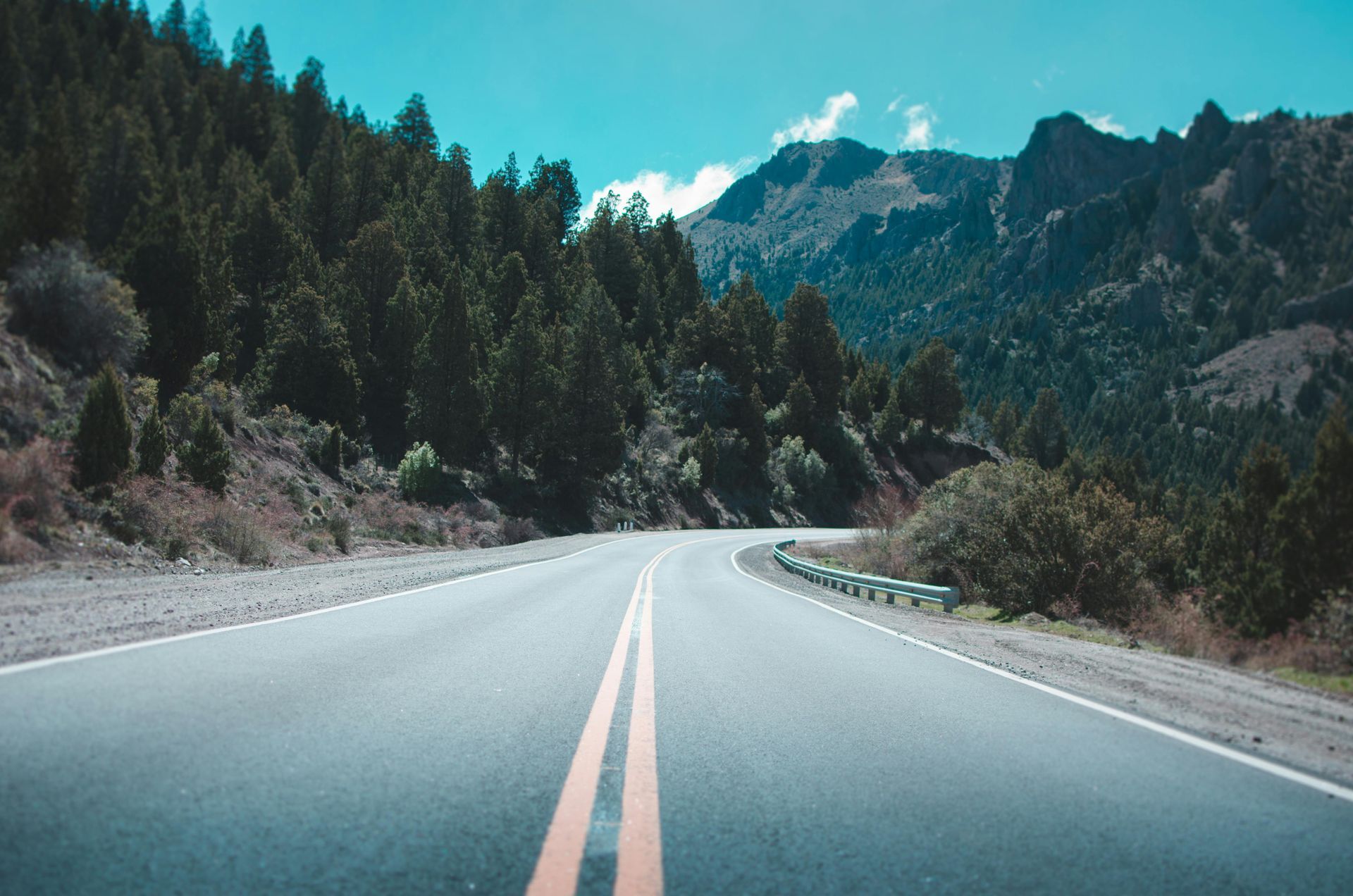
The road is fully paved and maintained year-round, but visitors should expect curves, elevation changes and slower travel speeds. For drivers already comfortable with Big Bear's mountain highways, the route is generally straightforward in good weather.
This drive works especially well for:
- Half-day or full-day trips
- Shopping and dining
- Couples and families
- Visitors staying several days in Big Bear
- Travelers who want to explore another mountain community
Adventure pass
Many popular stops along Big Bear's scenic routes are located on National Forest land where an Adventure Pass may be required.
Traveling with A Dog?
The drive includes winding mountain roads, so dogs prone to car sickness may do better with a break in Running Springs or once you arrive. Lake Arrowhead Village offers outdoor areas to walk, but individual businesses and patios set their own pet policies.
Best Stops Along The Way
Running Springs
Running Springs is the easiest practical stop between Big Bear and Lake Arrowhead. It's a convenient place to grab coffee, fuel or food, use a restroom, or take a short break from the mountain road.
Lake Arrowhead Village
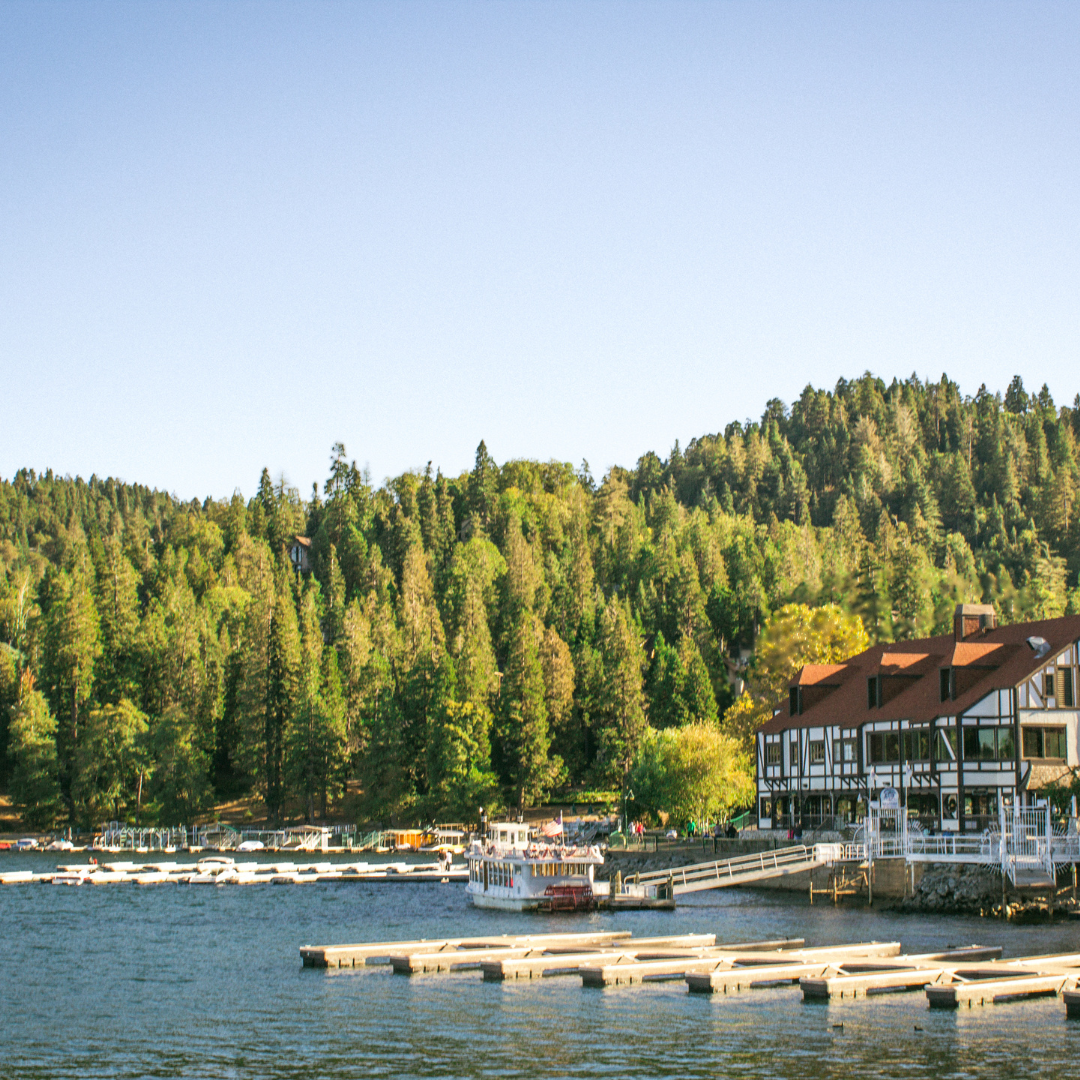
Lake Arrowhead Village is the main destination for most visitors making the drive from Big Bear. Shops, restaurants and lake views are concentrated in a compact, walkable area, making it easy to park once and spend a few hours exploring.
Plan enough time to walk the Village, eat or grab coffee, and enjoy the lakefront setting before driving back to Big Bear.
Arrowhead Queen Boat Tour
The Arrowhead Queen offers one of the few ways for visitors to experience Lake Arrowhead from the water. The narrated cruise explores the private lake and provides views that are not available from public shoreline areas. Availability varies by season and weather, so check the current schedule before planning your day around it.
Mountain History Museum
Operated by the Rim of the World Historical Society, the Mountain History Museum is a worthwhile stop for visitors interested in the history of the San Bernardino Mountains, including logging, mountain communities and regional development. Check current operating days before visiting because hours may be limited.
Best Time of Year
Lake Arrowhead works as a day trip throughout the year, but the drive and experience change significantly by season.
Spring
Spring brings cooler weather, greener forest scenery and lighter crowds. Snow or icy conditions can still linger after late storms at higher elevations.
Summer
Summer is one of the easiest times to make the drive because winter road controls are usually not a concern. Lake Arrowhead Village can still become busy on weekends and holidays, so an earlier start gives you more time to explore before the return drive.
Fall
Fall is one of the best seasons for this trip thanks to cooler temperatures, seasonal color and generally lighter crowds outside holiday weekends.
Winter
Winter can make the drive especially scenic after snowfall, but road conditions may change quickly. Chain controls, ice, fog and heavy snow-weekend traffic can significantly increase travel time. Check current road conditions before leaving Big Bear.
Featured Wildlife Guides
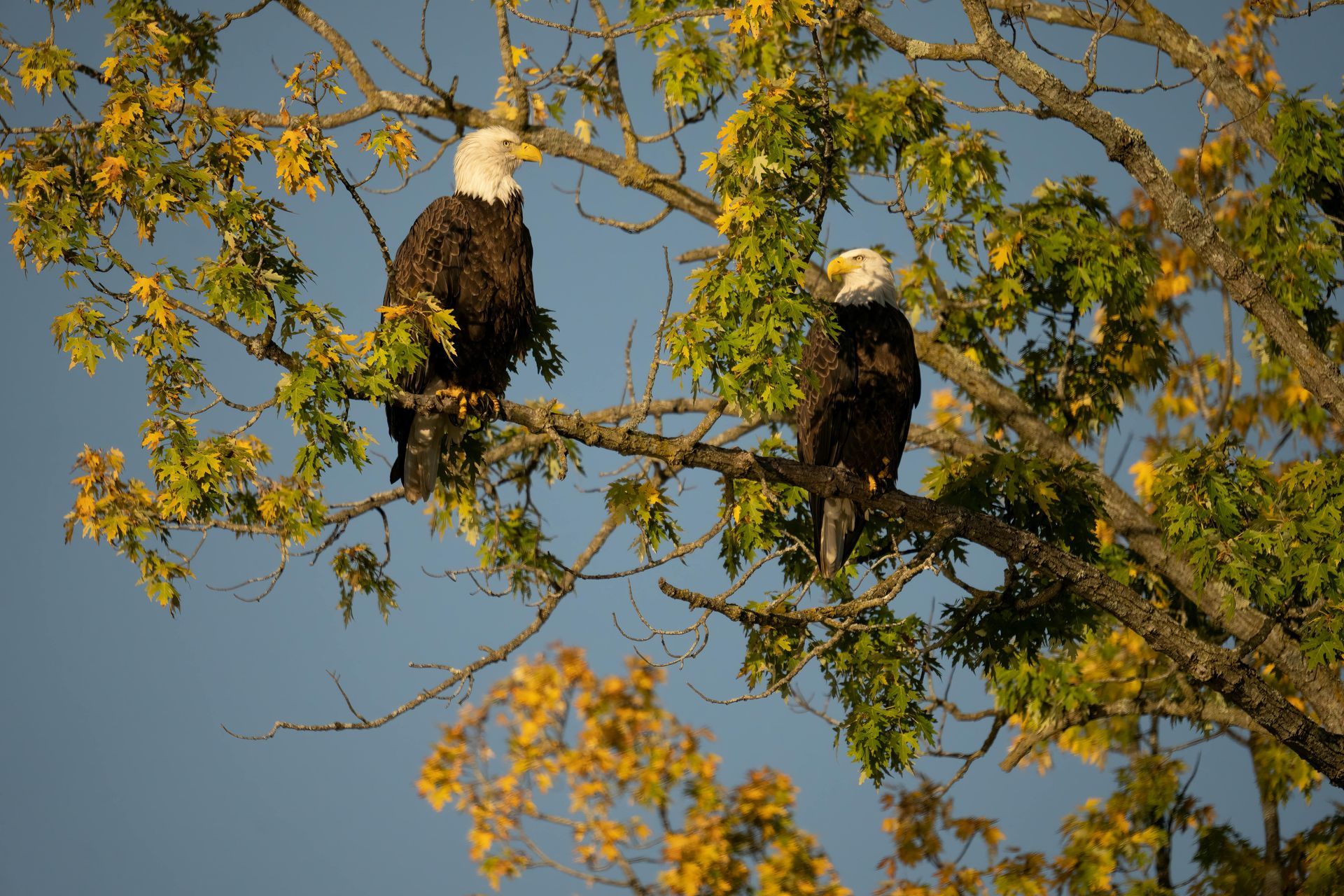
Best spots & seasonal tips
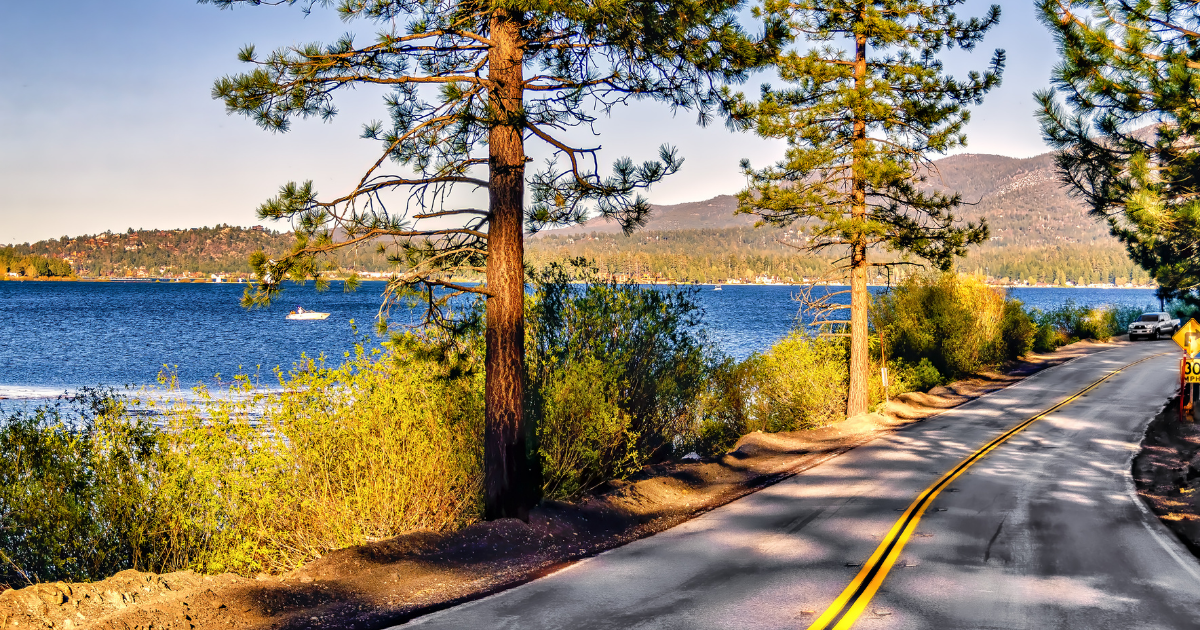
Scenic drive route & tips
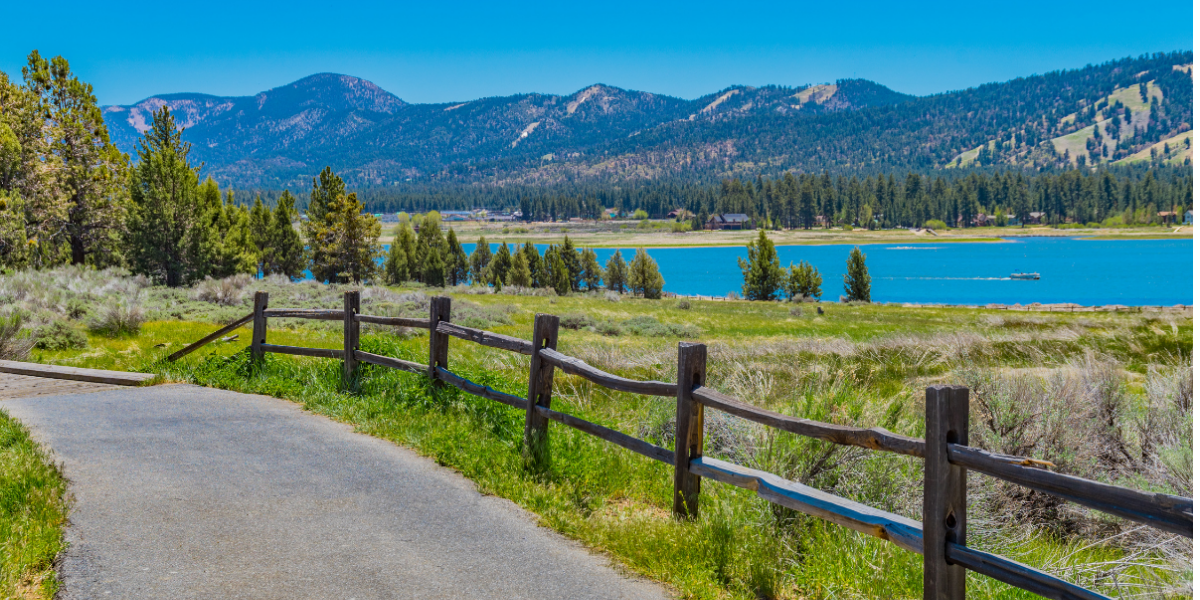
Easy walk with big views
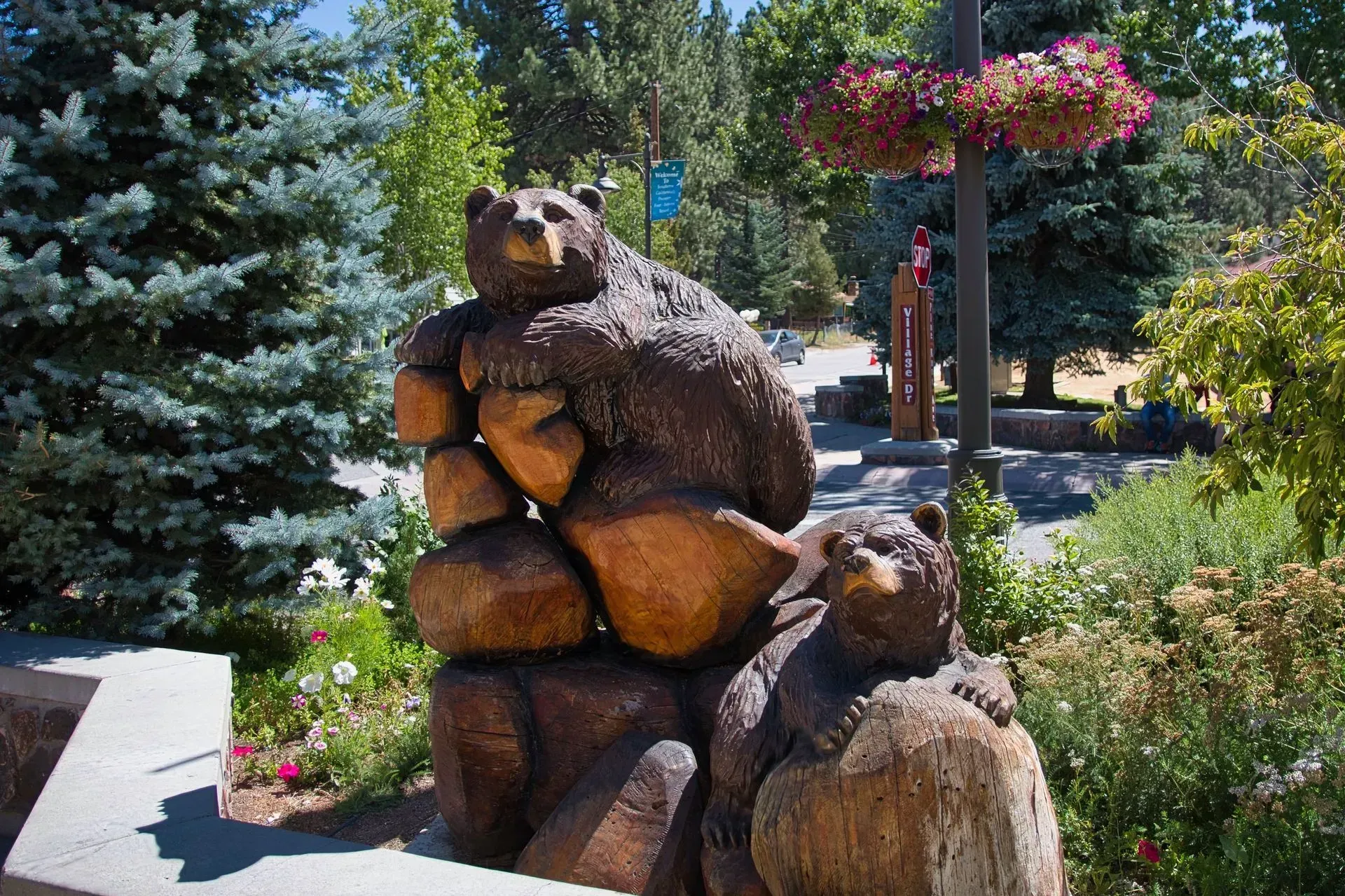
Big Bear's Downtown
Things to Know Before you Go
Mountain Roads
The 28-mile distance can be misleading. Highway 18 is a winding mountain road, so plan on about 1 to 1¼ hours each way in normal conditions and longer during snow, road work or heavy weekend traffic.
Visitors who are sensitive to mountain curves should avoid reading in the car and allow extra time rather than rushing the drive.
Winter Driving
During snow season, carry the correct traction devices for your vehicle and check current Caltrans and CHP chain-control information before leaving Big Bear. Conditions can vary significantly between Big Bear, Running Springs and Lake Arrowhead.
Lake Access
Lake Arrowhead is privately managed. Visitors can enjoy lake views from the Village and may have access through specific activities such as an authorized boat tour, but public boating and shoreline access are much more limited than at Big Bear Lake.
Plan Enough Time
Allow at least 2–3 hours in Lake Arrowhead if you are making the drive from Big Bear. With roughly 2–2½ hours of total driving, the full outing can easily take 4–6 hours once you include walking, shopping or a meal.
Parking
Parking around Lake Arrowhead Village can become busy during weekends, holidays and special events. Arriving earlier in the day usually makes the visit easier.
Check the Weather
Mountain weather changes quickly throughout the year. A sunny morning can turn into afternoon rain, snow, wind, or fog depending on the season. Dress in layers and check conditions before leaving.
Fuel Up
Gas stations become less common outside the main town areas, especially on longer scenic drives. It’s best to fuel up before starting your route, particularly during weekends and busy holiday periods.
Cell Service
Cell service can become unreliable in parts of the San Bernardino Mountains, especially near forest roads, overlooks, and canyon areas. Download maps offline if possible and avoid relying entirely on GPS navigation.
Wildlife
Wildlife sightings are common throughout the area, especially during early morning and evening hours. Deer, hawks, coyotes, and even black bears may be seen near forested sections of the drive. Slow down and stay alert.
Safety Note:
Scenic Drive Information Disclaimer: Road conditions, closures, construction, weather, travel times and access can change without notice, particularly in mountain areas. Discover Big Bear Lake provides route information for general trip-planning purposes only. Always check current road and weather conditions with official sources before departing and follow posted signs, closures and traffic restrictions.
Discover More
Explore More Scenic Drives
Keep exploring Big Bear and the surrounding mountains with more scenic drives, from lakeside routes to mountain highways and easy day trips.
Discover More of Big Bear Lake
There's so much to see and do in every season. Explore hiking trails, wildlife, attractions, and more.