
Woodland Interpretive Trail
The best family hike in Big Bear for curious kids.
A family-friendly 1.5-mile loop that combines forest scenery, giant granite boulders, and educational stops that teach visitors about Big Bear's wildlife and natural history.
Trail Quick Facts
Dogs Allowed
Yes
Distance
1.5 miles
Difficulty
Moderate
Elevation Gain
~300ft
At A Glance
A family-friendly 1.5-mile loop that combines forest scenery, giant granite boulders, and educational stops that teach visitors about Big Bear's wildlife and natural history.
About the Trail
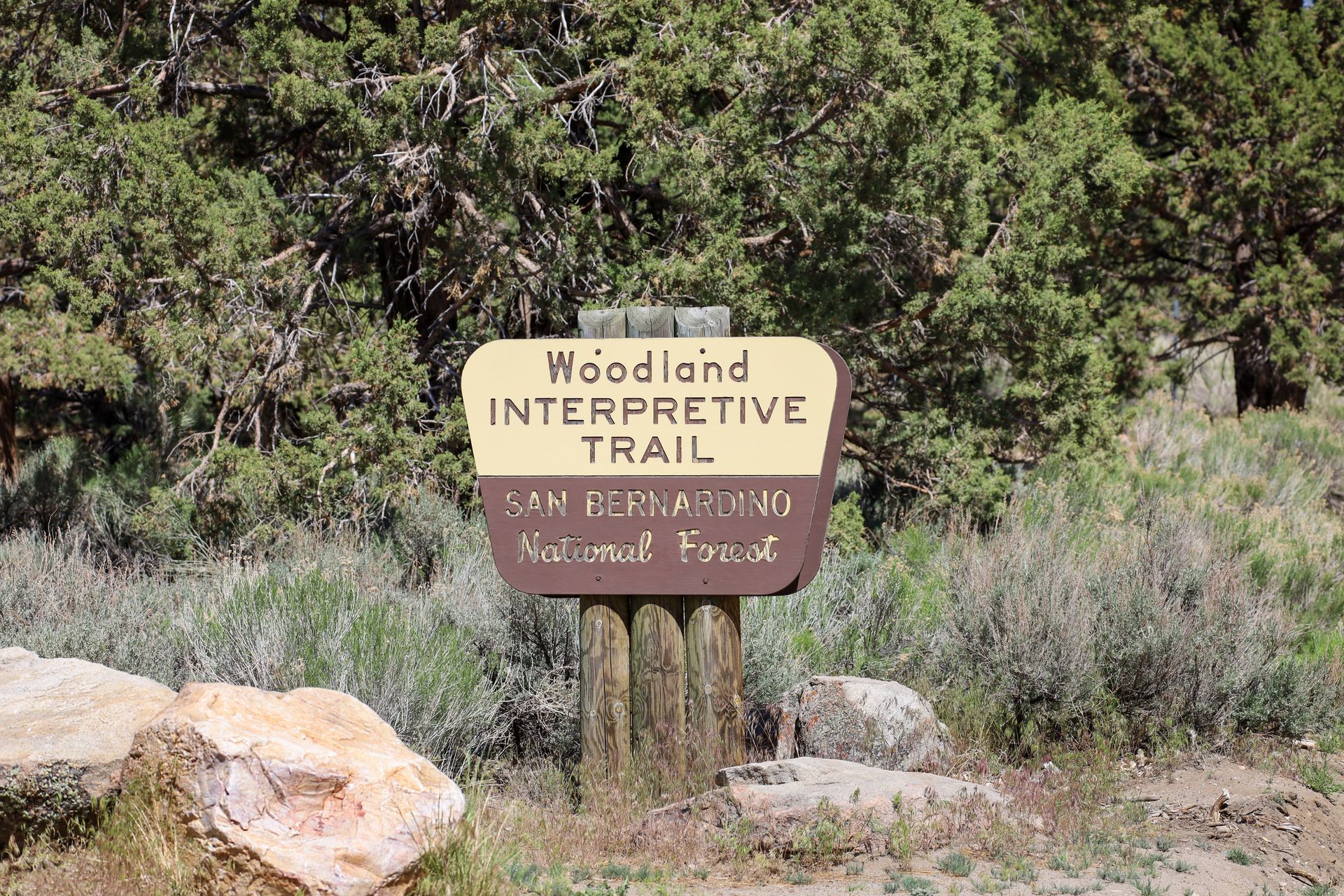
The Woodland Interpretive Trail is one of Big Bear's most popular family hikes because it combines easy walking with opportunities to learn about the mountain environment. The 1.5-mile loop winds through a beautiful pine forest and features 16 numbered interpretive stops that explain local plants, animals, geology, and forest ecology. Visitors can pick up a brochure at the trailhead or Discovery Center and follow along as they explore.
What makes this trail especially memorable are the massive granite boulders scattered throughout the route. Kids often spend as much time climbing and exploring the rocks as they do walking the trail itself. The route is mostly level with only minor elevation changes, making it approachable for most visitors while still feeling like a true mountain hike. The forest setting also provides more shade than many of Big Bear's lakeside trails, making it a good option during warmer months.
Local Insight
The interpretive brochure is worth grabbing before you start. Many visitors walk past the numbered markers without realizing they tell the story of how Big Bear's forests, wildlife, and geology developed over time.
Trailhead Directions & Parking
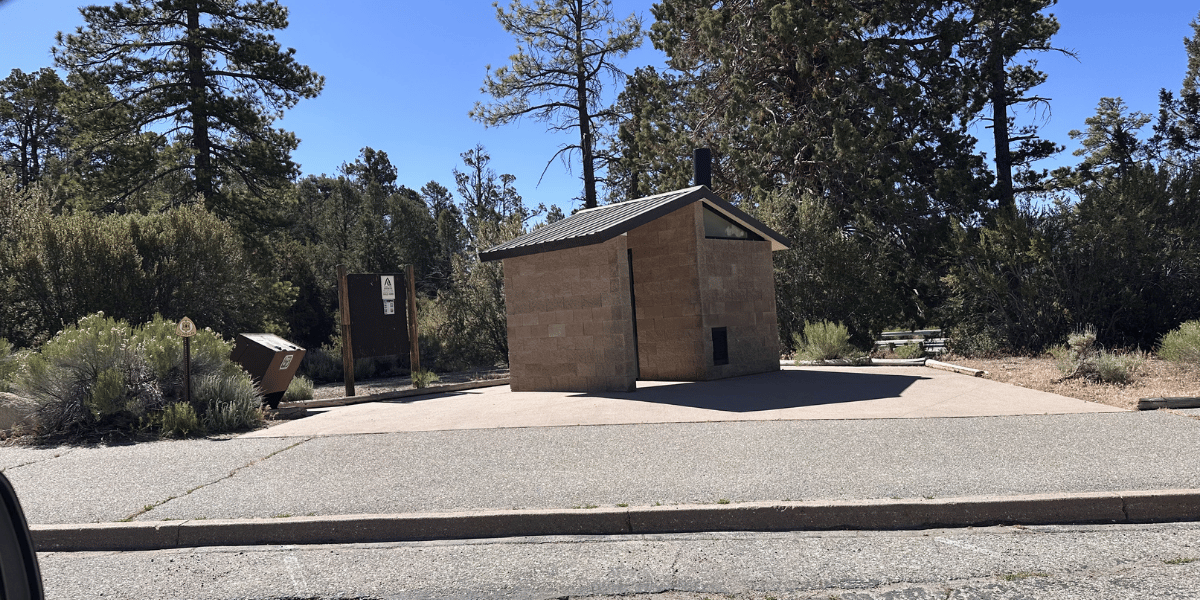
The Woodland Interpretive Trail trailhead is located on North Shore Drive between Stanfield Cutoff and the Big Bear Discovery Center. Because it's one of Big Bear's most popular family-friendly trails, the parking lot can fill quickly on weekends, holidays, and during peak summer months.
When the lot is full, some visitors park along North Shore Drive near the trailhead, though parking availability and restrictions can vary. Always check posted signs before leaving your vehicle.
If parking is unavailable at the trailhead, nearby lots at Juniper Point, Meadows Edge, or the Big Bear Discovery Center can sometimes provide alternative parking options, though they may require a short walk to reach the trail.
An Adventure Pass or Interagency Pass is required for parking at most Forest Service recreation sites in this area, so be sure to check posted requirements before starting your hike.
Loading trail...
Looking for another trail to explore together? See our complete Dog-Friendly Hikes in Big Bear Lake guide.
Important Trail Information
The Woodland Interpretive Trail is one of the most family-friendly hikes in Big Bear and is especially popular with younger children thanks to the large granite boulders scattered throughout the route. Many kids spend as much time climbing and exploring the rocks as they do following the trail itself.
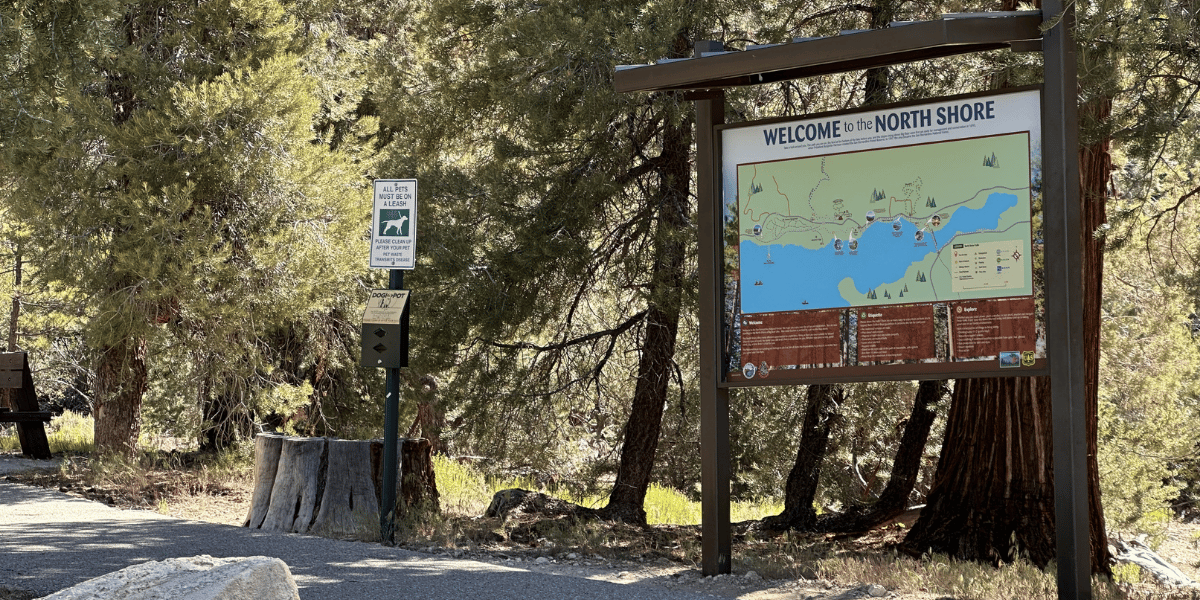
Dogs are allowed on the trail and waste bag stations are available near the trailhead, making it a popular option for visitors hiking with pets. As with all forest trails, keeping dogs leashed helps protect wildlife and ensures a better experience for everyone on the trail.
Because much of the route travels through mature pine forest, you'll find more shade here than on many lakeside trails. The trail remains enjoyable throughout the year, though snow and icy sections can develop after winter storms, particularly in shaded areas.
Dog Friendly Trail Reminder
Many Big Bear trails allow dogs, but mountain conditions can be more challenging than they appear. High elevation, warm summer temperatures, rocky terrain, wildlife, and limited water sources can all affect your dog's comfort and safety. Bring plenty of water, keep dogs leashed, and choose a trail that matches your pet's age, fitness level, and experience.
Terrain
- Dirt trail with some rocky sections
- Gradual incline at the start
- Narrower in parts compared to paved trails
- Mostly shaded, with some exposed viewpoints
- Not stroller-friendly, but fine for kids who are used to walking on trails.
Distance & Elevation
- Distance: ~1.5 mile loop
- Elevation Gain: ~300 feet
This isn’t a long hike, but there is a steady climb early on. It’s manageable for most people, just expect a bit more effort than trails like the Alpine Pedal Path or Discovery Center Nature Trail.
Gallery
Connecting & Nearby Trails
The Woodland Interpretive Trail sits in one of the most connected recreation areas on Big Bear's north shore, making it easy to extend your outing.
Just down the road, the Big Bear Discovery Center offers maps, exhibits, ranger programs, and current trail information. Many visitors stop there before or after their hike to learn more about the area's wildlife, history, and outdoor opportunities.
Nearby, the Alpine Pedal Path provides a completely different experience, following the shoreline of Big Bear Lake with paved walking and biking access, lake views, and beach access points. If you're looking for an easy way to add more distance to your day, it's one of the best options nearby.
The area around Juniper Point Picnic Area is also worth exploring. Located directly along the lake, it offers picnic tables, shoreline access, and beautiful views across Big Bear Lake. Many visitors combine the Woodland Interpretive Trail with a stop at Juniper Point for lunch, lake access, or a relaxing place to enjoy the scenery.
Together, the Woodland Interpretive Trail, Discovery Center, Juniper Point, and Alpine Pedal Path create one of the best areas in Big Bear for families looking to spend a few hours exploring the outdoors.
Safety Note:
Trail Information Disclaimer:
Trail conditions, access, parking, fees, closures and regulations can change due to weather, wildfire, seasonal restrictions, maintenance and other conditions. Information provided by Discover Big Bear Lake is for general planning purposes only. Always check current conditions and official Forest Service or managing-agency information before heading out, and use your own judgment regarding your abilities and conditions on the trail.
Need A Trail Map?
Visit the Big Bear Discovery Center on the North Shore to speak to a ranger, learn about trail conditions and access trail maps.
Need An Adventure Pass?
Learn more about when an Adventure Pass is required to be displayed and where you can purchase one.
Frequently Asked Questions
How long is the Woodland Interpretive Trail in Big Bear?
The Woodland Interpretive Trail is approximately a 1.5-mile loop. It is short enough for a family outing but includes some climbing and natural trail terrain, so expect more of a hike than you would on the paved Alpine Pedal Path.
Is the Woodland Interpretive Trail good for kids?
Yes. The Woodland Interpretive Trail is one of Big Bear's most popular family hikes. Numbered interpretive stops introduce visitors to the area's plants, wildlife and geology, while the large granite boulders along the route are especially popular with kids.
Do you need an Adventure Pass for Woodland Interpretive Trail?
An Adventure Pass or qualifying Interagency Pass may be required when parking at the Woodland Interpretive Trailhead because it is a Forest Service recreation site. Check the signs at the parking area for the current fee requirement before leaving your vehicle.
Are dogs allowed on the Woodland Interpretive Trail?
Yes. Dogs are allowed on the Woodland Interpretive Trail. Keep dogs leashed, bring water, and be prepared for dirt, rocks, elevation, and potentially snow or ice during colder months.
Plan Ahead
Before you Hit the Trail
Best Time to Go
Late spring through fall offers the most reliable trail conditions. Morning hikes are usually cooler and less crowded during summer.
Bring Plenty of Water
Big Bear sits above 6,700 feet elevation, and the dry mountain air can dehydrate hikers faster than expected.
Wear Proper Footwear
Many trails include rocky terrain, loose dirt, roots, and uneven sections that can become slippery after rain or snow.
Check Conditions Before You Go
Weather, closures, snow, and trail conditions can change quickly in the mountains, especially during winter and spring.
Discover More Trails
North Shore
Alpine Pedal Path
3.2 miles
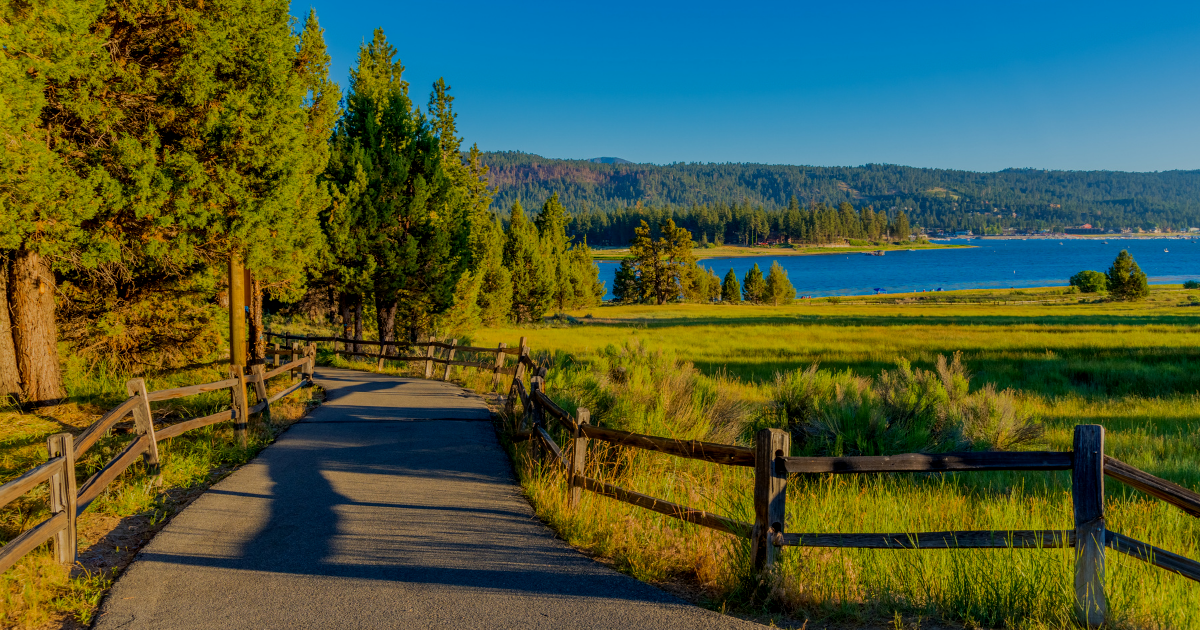
A paved, 3.2-mile lakeside trail perfect for biking, strollers, and easy walks. Get local intel on the 1E50.1 spur tunnel, eagle sightings, and the best parking at Stanfield Cutoff.
Stanfield Cutoff
Stanfield Marsh Boardwalk
Short Walk
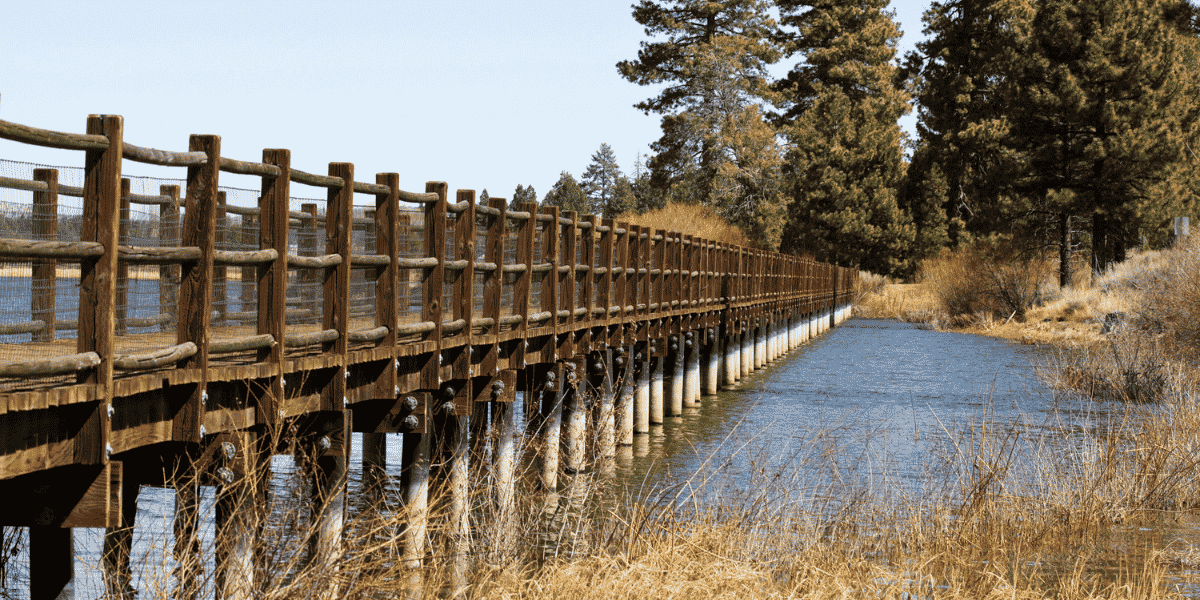
The Stanfield Marsh Boardwalk is an easy, scenic walk on the east end of Big Bear Lake, offering peaceful wetland views and some of the best birdwatching in the area.
North Shore
Discovery Center Nature Trail
0.5 mile Loop
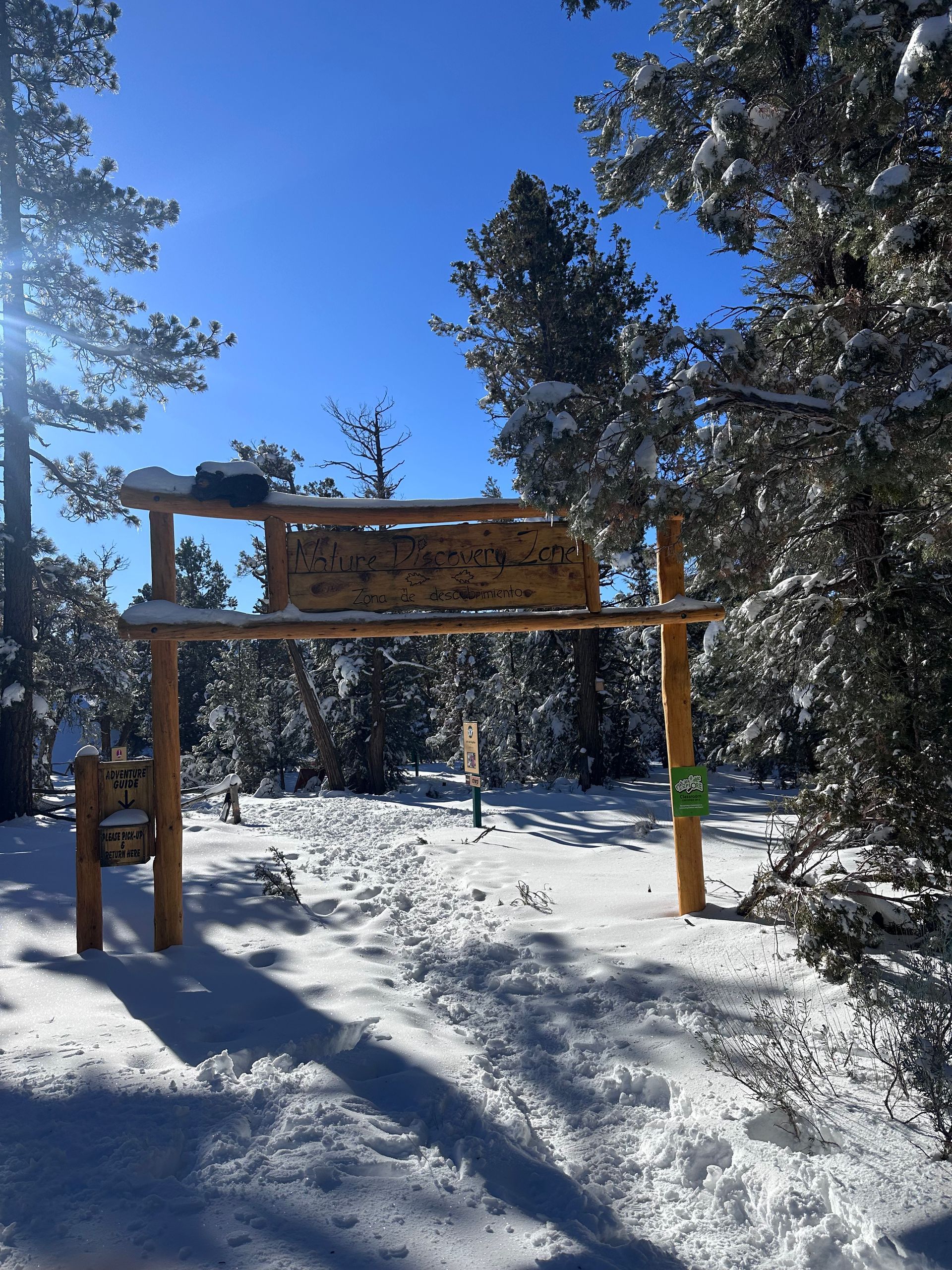
The Discovery Center Nature Trail is one of the most family-friendly walks in Big Bear Lake, offering a short, shaded loop through the forest with stations for kids to interact.
North Shore
Woodland Interpretive Trail
1.5 miles
The Woodland Interpretive Trail is one of the best short hikes in Big Bear if you want a mix of forest walking, interpretive signs, and elevated lake views without committing to a long or difficult trail.
Not sure which trail is right for you? Compare our best hikes in Big Bear Lake for different abilities and experiences.
Discover More of Big Bear Lake
There's so much to see and do in every season. Explore hiking trails, wildlife, attractions, and more.