Big Bear Lake Elevation & Altitude
Everything you need to know about Big Bear's 6,750-foot elevation—including altitude sickness, hiking, skiing, driving, alcohol, pets, and practical tips for your trip.
At A Glance
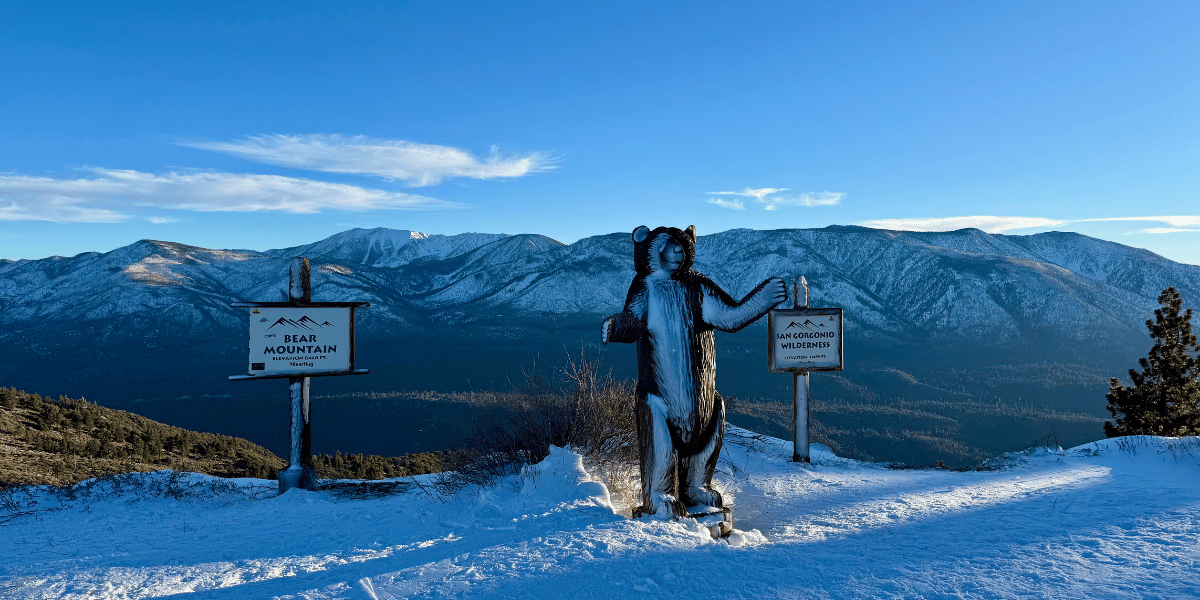
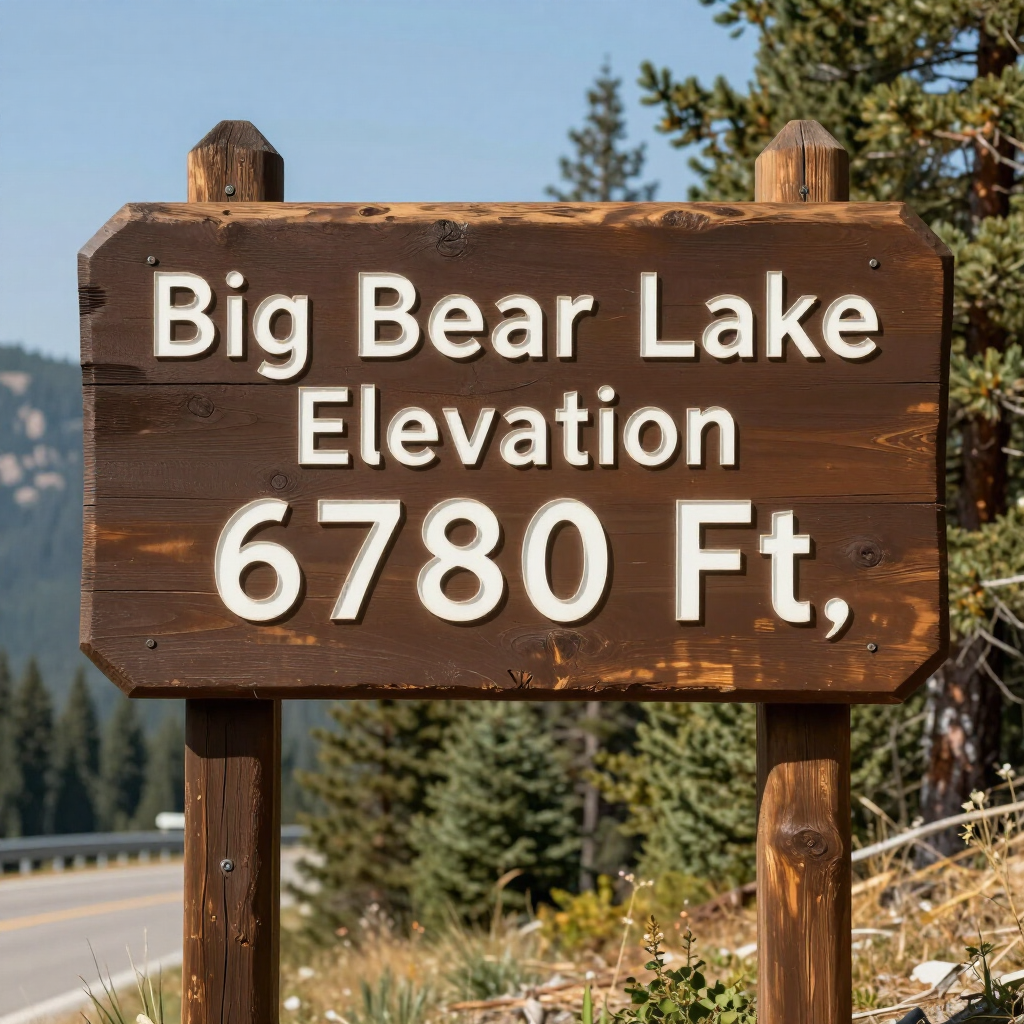
Big Bear Lake sits at approximately 6,750 feet (2,060 meters) above sea level, making it one of Southern California's highest mountain destinations. While many visitors notice little more than getting winded a little faster, others experience headaches, fatigue, or mild altitude sickness—sometimes before they even reach town. Understanding how elevation affects your body can help you plan a more enjoyable trip, whether you're hiking, skiing, boating, or simply spending the weekend in the mountains.
Why Does Big Bear's Altitude Affect Some Visitors?
One of the biggest misconceptions about altitude is that the air contains less oxygen. In reality, the percentage of oxygen stays about the same. What changes is the air pressure, which means every breath contains fewer oxygen molecules than it does at sea level. Your body has to work harder to deliver oxygen to your muscles and organs.
For many visitors, the only noticeable difference is becoming out of breath more quickly while walking uphill or carrying luggage. Others may develop a mild headache, feel unusually tired, or notice they're breathing harder than expected. Most healthy visitors adjust within a day or two, but everyone's body responds differently.
One of the most common comments from first-time visitors is:
"I didn't expect to get winded just walking to my cabin."
That can be a normal response to arriving at higher elevation, although symptoms vary from person to person.
Big Bear Lake Elevation at a Glance
- Big Bear Lake — 6,750 ft
- Snow Summit — 8,200 ft
- Bear Mountain — 8,805 ft
- Onyx Summit — 8,443 ft
- Los Angeles — 305 ft
- Palm Springs — 479 ft
Can You Feel the Altitude While Driving to Big Bear?
Yes. Some visitors begin noticing the elevation long before they arrive.
As you climb from Southern California into the mountains, you'll gain more than 6,000 feet of elevation over the course of the drive. It's common to notice:
- Ears popping
- Frequent yawning
- Mild headache
- Feeling lightheaded
- Slight nausea
- Mild shortness of breath
These symptoms are usually temporary and improve after resting and drinking water.
Local Tip
If you start developing a headache on the drive up, don't panic. Pull over at a safe turnout if needed, drink some water, and take a short break before continuing. Many visitors feel noticeably better once they slow down and give their body time to adjust.
Who Is Most Likely to Notice the Elevation?
Not everyone experiences Big Bear's altitude the same way.
You're more likely to notice symptoms if you:
- Live near sea level.
- Arrive and immediately go hiking or skiing.
- Are dehydrated.
- Drink alcohol soon after arriving.
- Have experienced altitude sickness before.
- Have certain heart or lung conditions.
Many visitors experience little more than becoming winded faster, while others feel the elevation almost immediately. Both experiences are normal.
Altitude Sickness: What's Normal and When to Get Help?
Mild altitude sickness can happen in Big Bear, particularly during your first day. Fortunately, serious altitude illness is uncommon at this elevation.
Mild symptoms
✔ Headache
✔ Fatigue
✔ Mild nausea
✔ Lightheadedness
✔ Trouble sleeping
✔ Becoming out of breath more easily
These symptoms often improve with hydration, rest, and allowing your body time to acclimate.
Medical Disclaimer
This information is intended for general educational purposes and is not a substitute for professional medical advice. If you have a medical condition or experience severe symptoms, seek medical care promptly.
Why Hiking Feels Harder in Big Bear
Many visitors underestimate how much elevation changes hiking.
Every trail in Big Bear starts around 6,700 feet, and many climbs quickly reach elevations above 7,500 feet. Even if a trail isn't particularly steep, your body has to work harder because less oxygen is available with every breath.
That's why a hike that seems easy on paper may feel much more strenuous than expected.
If you've just arrived from lower elevation, consider starting with one of our easy hikes in Big Bear Lake before attempting a more strenuous trail.
Local Tip
If this is your first trip to Big Bear, consider spending your first afternoon walking along the lake on the Alpine Pedal Path. Save longer hikes for the following day after your body has had time to adjust.
Skiing & Snowboarding: You're Climbing Even Higher
When you visit Snow Summit or Bear Mountain, you're spending much of your day above 8,000 feet, where the effects of altitude become even more noticeable.
Many first-time visitors are surprised by:
- Getting tired after only a few runs.
- Feeling thirsty more often.
- Becoming sunburned despite cold temperatures.
The higher elevation increases ultraviolet (UV) exposure, while sunlight reflecting off the snow can intensify it even further.
Good to Know
You don't always need your heaviest winter jacket. Sunny afternoons often feel much warmer than expected, and dressing in layers is usually more comfortable than wearing one bulky insulated coat. Don't be surprised to see people snowboarding in hoodies!
Boating, Fishing & Summer Activities at Elevation
Big Bear's altitude also affects visitors on the lake.
The thinner atmosphere allows more UV radiation to reach your skin, while sunlight reflects off the water and cool mountain breezes make it easy to overlook how much fluid you're losing.
Many visitors finish a day of boating feeling exhausted when dehydration is actually the biggest culprit.
A Day on the Lake
Bring more water than you think you'll need, even if temperatures feel comfortable. Reapply sunscreen throughout the day—the mountain sun is stronger than many visitors expect.
Alcohol, Marijuana & Elevation
Many visitors find that alcohol affects them differently in Big Bear.
The combination of altitude, dehydration, physical activity, and warm weather may cause alcohol to feel stronger than it would at lower elevations. Some people also experience increased dizziness or lightheadedness when using cannabis, especially during their first day in the mountains.
THings to COnsider
If you've just arrived in Big Bear, consider waiting until you've had plenty of water and a chance to acclimate before drinking alcohol or using cannabis.
Traveling With Dogs at High Elevation
Most healthy dogs adjust well to Big Bear's elevation, but mountain conditions can still be challenging—especially for senior dogs, puppies, overweight pets, and breeds with short noses.
Watch for signs such as:
- Excessive panting
- Unusual fatigue
- Weakness
- Vomiting
- Reluctance to continue walking
Remember that altitude is only part of the challenge. Summer temperatures, rocky trails, and stronger UV exposure can all make outdoor activities more demanding for pets.
Dog Friendly Big Bear
Instead of planning a long hike immediately after arriving, let your dog ease into the elevation with a walk through The Village or along one of Big Bear's easier lakeside trails.
Planning to hit the trails together? Our Dog-Friendly Hikes in Big Bear Lake guide compares easier walks and forest trails based on terrain, difficulty and conditions.
Planning Your First Day in Big Bear
One of the easiest ways to enjoy your trip is simply giving your body time to adjust.
Instead of arriving and immediately heading for a strenuous hike or full day on the slopes, consider easing into your vacation.
A great first day might include:
- Exploring The Village
- Lunch at a local restaurant
- Walking along the lake
- Visiting Boulder Bay Park or the Discovery Center
- Relaxing before tackling bigger adventures the next morning
Many visitors find they feel significantly better after spending just one night at elevation.
Visiting Big Bear for the first time? See our complete First-Time Visitor Guide for driving, parking, transportation, weather and other practical trip-planning information.
Big Bear Lake's DOwnTOwn
Looking for an easy first-day activity? The Village is mostly walkable, gives you plenty of places to stop and rest, and is a much gentler introduction to Big Bear’s elevation than immediately heading onto a strenuous trail.
Frequently Asked Questions About altitude in Big Bear Lake
What is the altitude of Big Bear Lake?
Big Bear Lake sits at approximately 6,750 feet (2,060 meters) above sea level. Nearby destinations are even higher, with Snow Summit reaching about 8,200 feet and Bear Mountain topping out around 8,805 feet. Visitors coming from lower elevations may notice the thinner mountain air during their first day.
Can you get altitude sickness in Big Bear Lake?
Yes. Some visitors experience mild altitude sickness after arriving in Big Bear Lake, especially if they're coming from sea level. Common symptoms include headache, fatigue, dizziness, mild nausea, and shortness of breath during activity. Most symptoms improve within a day or two as your body adjusts to the elevation. Severe altitude illness is uncommon but requires immediate medical attention.
How long does it take to adjust to Big Bear's altitude?
Most healthy visitors begin adjusting to Big Bear's 6,750-foot elevation within 24 to 48 hours. Staying hydrated, avoiding strenuous activity immediately after arriving, and taking frequent breaks can help your body acclimate more comfortably during your first day in the mountains.
Why do I get out of breath so easily in Big Bear?
Big Bear's higher elevation means the air pressure is lower, so each breath delivers less oxygen than it does at sea level. As a result, your heart and lungs work harder during physical activity. Even simple activities like climbing stairs, hiking, or carrying luggage may feel more strenuous until your body adjusts.