Local Wildlife in Big Bear Lake
Big Bear Lake is home to a wide variety of wildlife that thrives in its forests, mountains, and alpine environment.
From well-known species like black bears and bald eagles to smaller mammals and native birds, wildlife is an important part of the local ecosystem and a common sight throughout the region.

Local Wildlife
Wildlife You May Encounter in Big Bear Lake
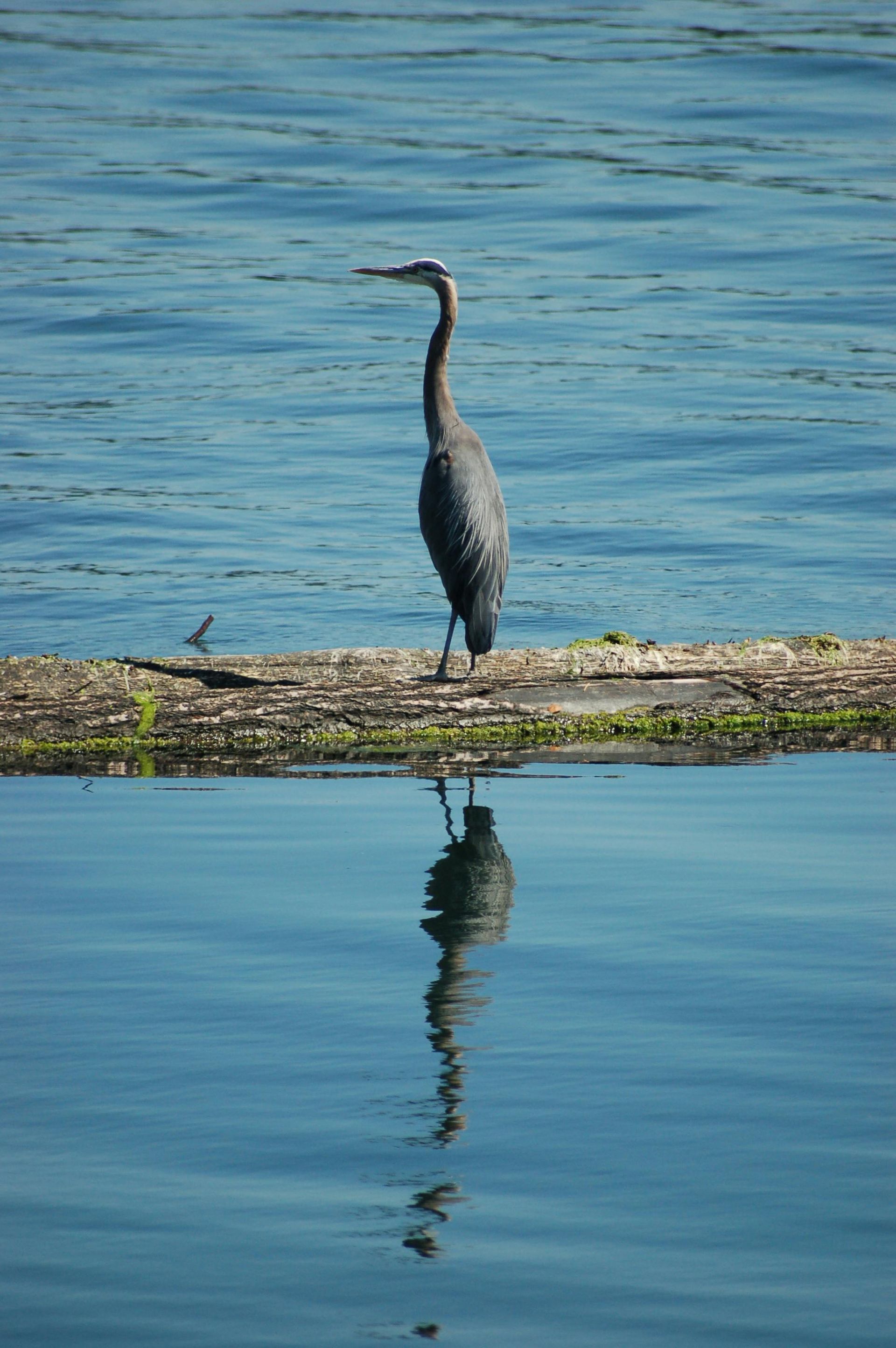
Visitors to Big Bear Lake may encounter a range of wildlife depending on the season and location. Common sightings include black bears, deer, squirrels, foxes, and a variety of bird species. While many animals live in forested areas, some are occasionally seen near residential neighborhoods and trail systems.
Local Wildlife
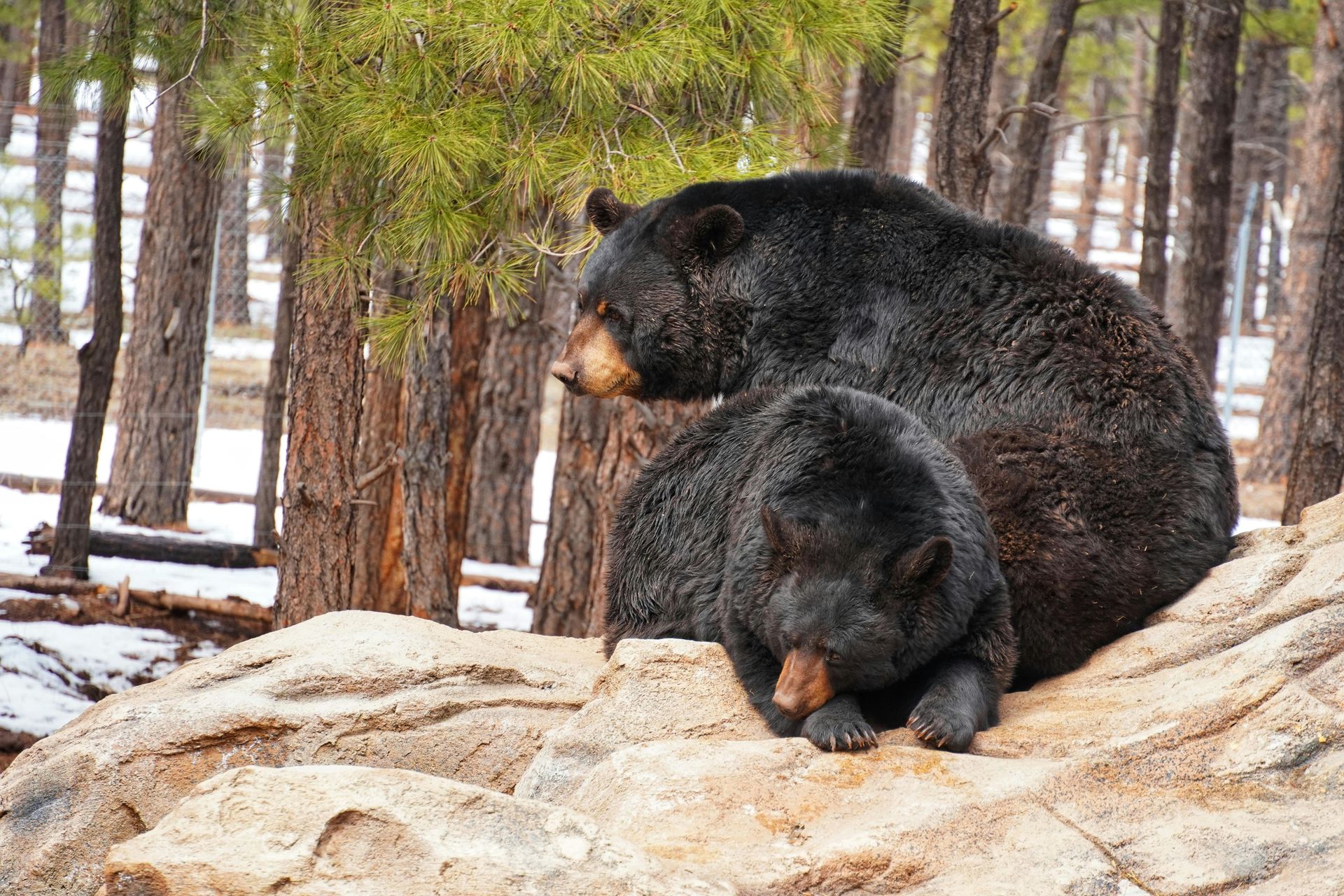
Bears in Big Bear Lake
Black bears live throughout the Big Bear Valley and surrounding mountains. Bear sightings are not unusual, especially during warmer months when bears are actively foraging. While encounters are typically non-aggressive, it’s important to follow local guidelines, secure food properly, and observe wildlife from a safe distance.
Local Wildlife
Wildlife Education & Nature Centers
Learning about local wildlife before heading out makes for a safer and more meaningful experience, especially for families and first-time visitors.

Discovery Center
The Discovery Center offers educational exhibits, nature walks, and resources focused on local wildlife, ecosystems, and conservation.

Alpine Zoo
The Alpine Zoo provides an opportunity to see native animals up close while learning about rescue, rehabilitation, and wildlife protection.
Where Wildlife Is Commonly Seen in Big Bear Lake
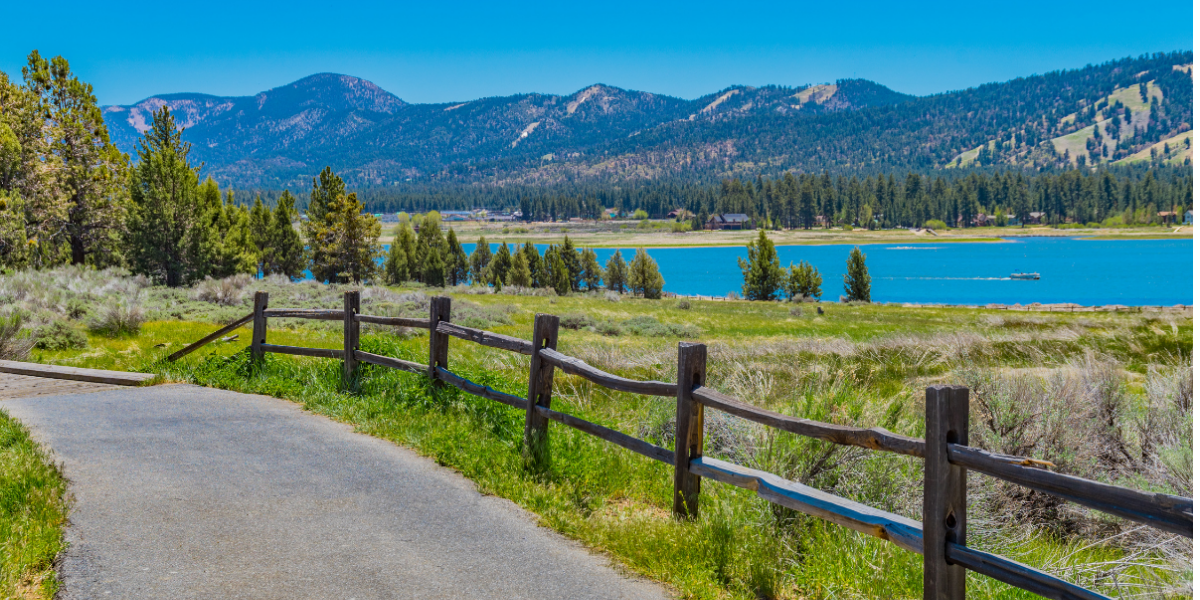
Wildlife is a normal part of everyday life in Big Bear Lake. Because the national forest surrounds the town, animals move easily between forested areas, neighborhoods, trails, and open spaces. Visitors are often surprised by how close wildlife activity can be to homes, roads, and popular recreation areas.

Wildlife in Town & Residential Areas
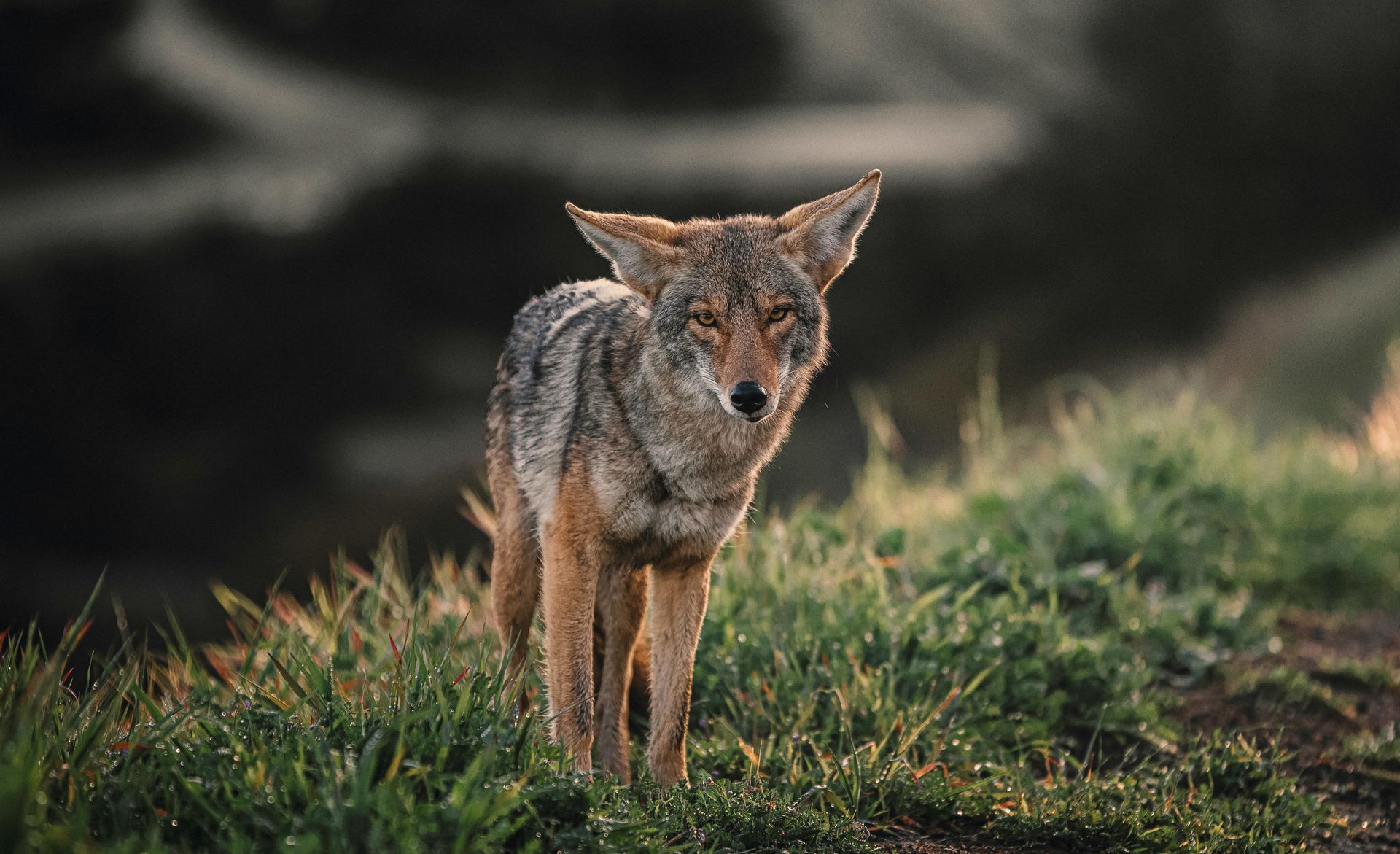
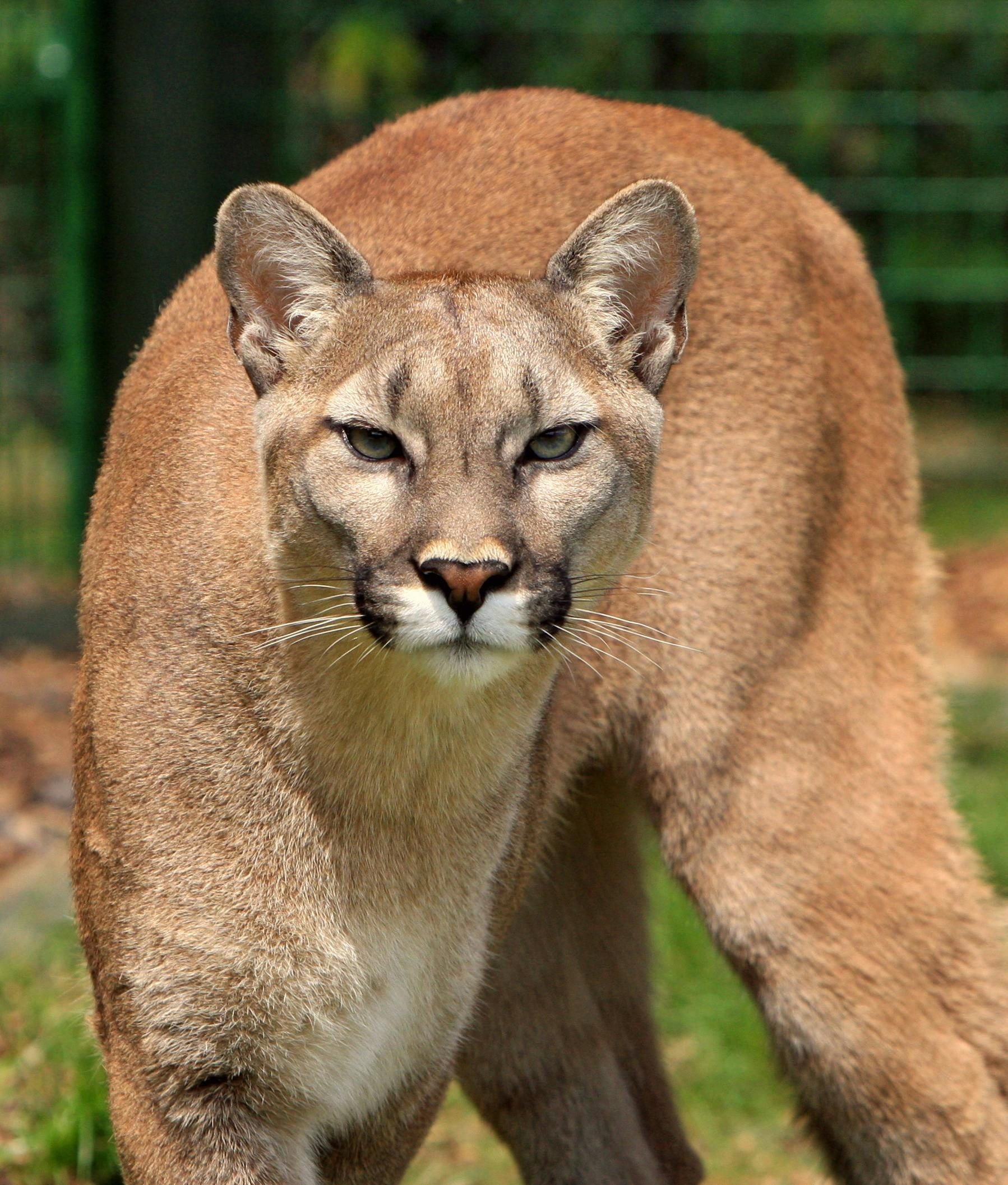
Many wildlife sightings in Big Bear Lake happen inside town, not deep in the forest. Black bears, coyotes, bobcats, and even mountain lions are frequently caught on home security cameras, especially at night and early morning. Animals are drawn into neighborhoods by food sources such as trash, pet food, bird feeders, and unsecured vehicles. Seeing wildlife near cabins or vacation rentals is not unusual and does not mean an animal is behaving aggressively.
Backyard Safety & Pets
Coyotes are very common in Big Bear Lake and are known to snatch small dogs and cats, especially at night, dawn, and dusk. Pets should never be left unattended in yards, even in fenced areas. Keeping pets on a leash, supervising outdoor time, and removing food attractants helps reduce the risk of encounters. Visitors unfamiliar with mountain towns often underestimate how quickly wildlife can appear in residential areas.
Wildlife on Trails
Wildlife sightings also occur on hiking and walking trails throughout Big Bear Lake. Deer, birds, and smaller animals are commonly seen during daytime hours, while predators such as coyotes, bobcats, and mountain lions are more active during quieter times of day. Staying aware of surroundings, keeping dogs leashed, and avoiding hiking alone at dawn or dusk helps reduce surprise encounters. Wildlife sightings on trails are usually brief, and animals tend to avoid people when given space.
When Wildlife Is Most Active
Most wildlife in Big Bear Lake is crepuscular or nocturnal, meaning animals are more active during early morning, evening, and nighttime hours. This is why many sightings happen at night or are captured on cameras rather than seen directly. Seasonal changes, weather, and food availability all influence animal movement, but encounters can happen year-round.


Where to Spot Eagles
Find out the best locations to catch a glimpse of a Bald Eagle.
Local Wildlife
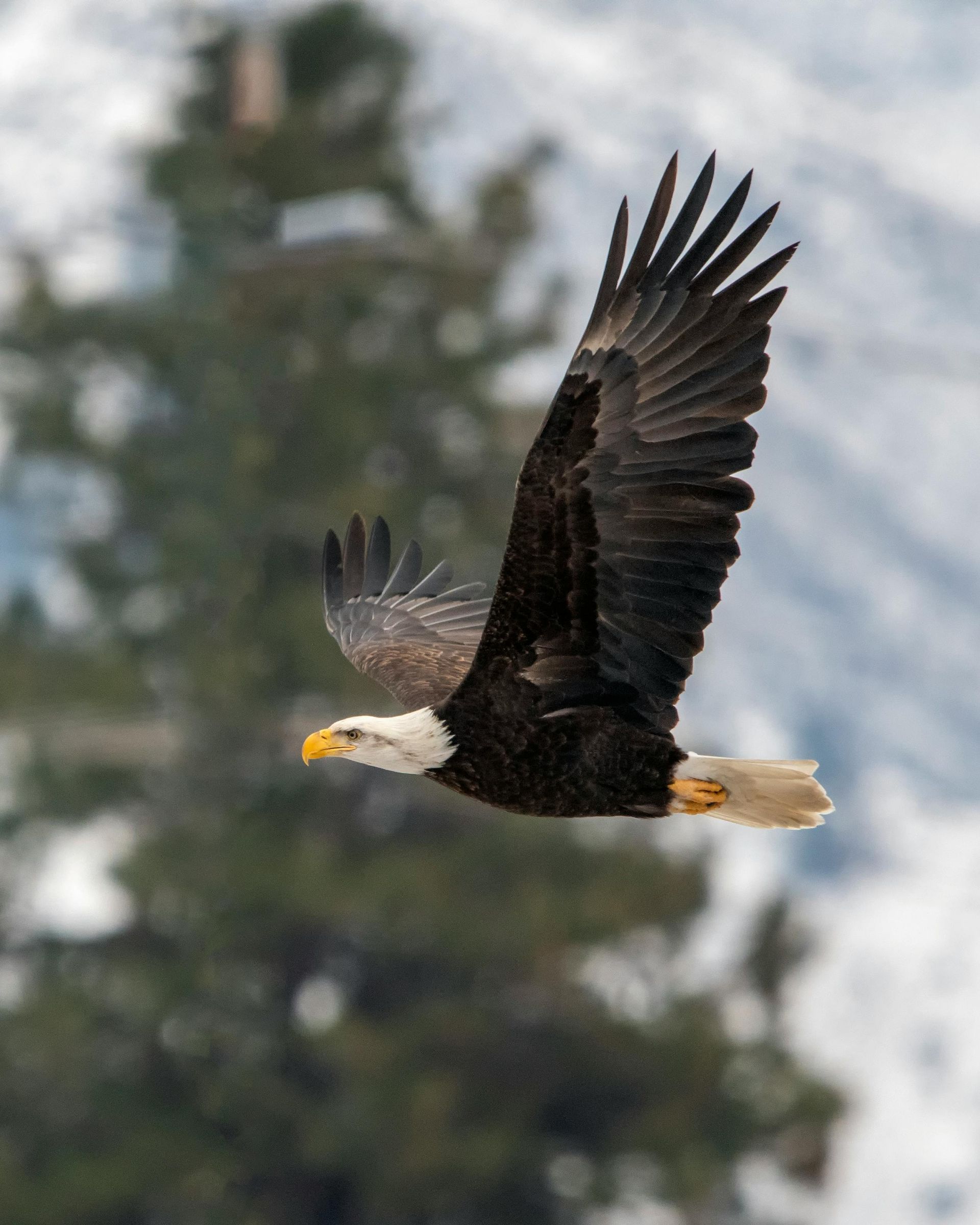
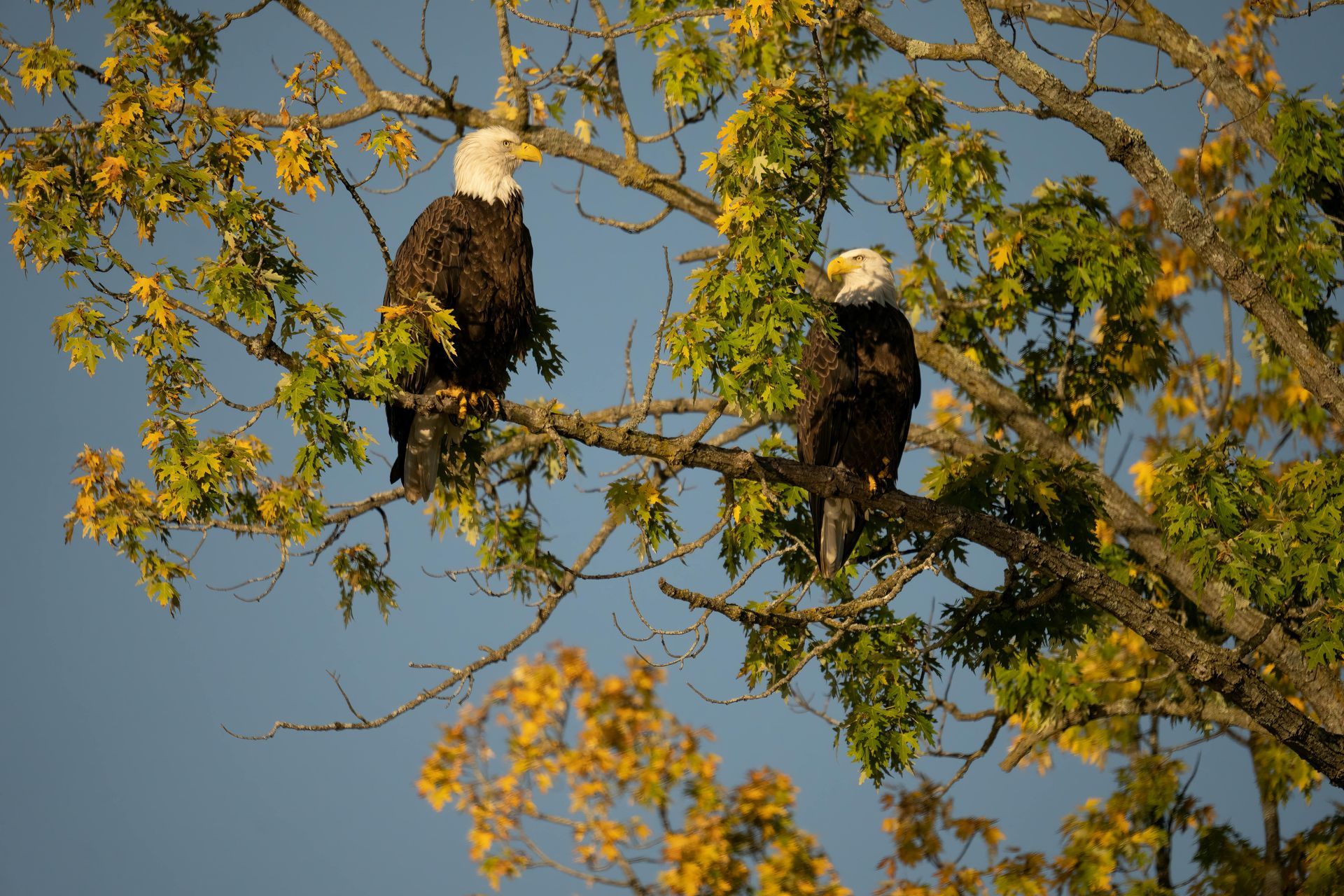
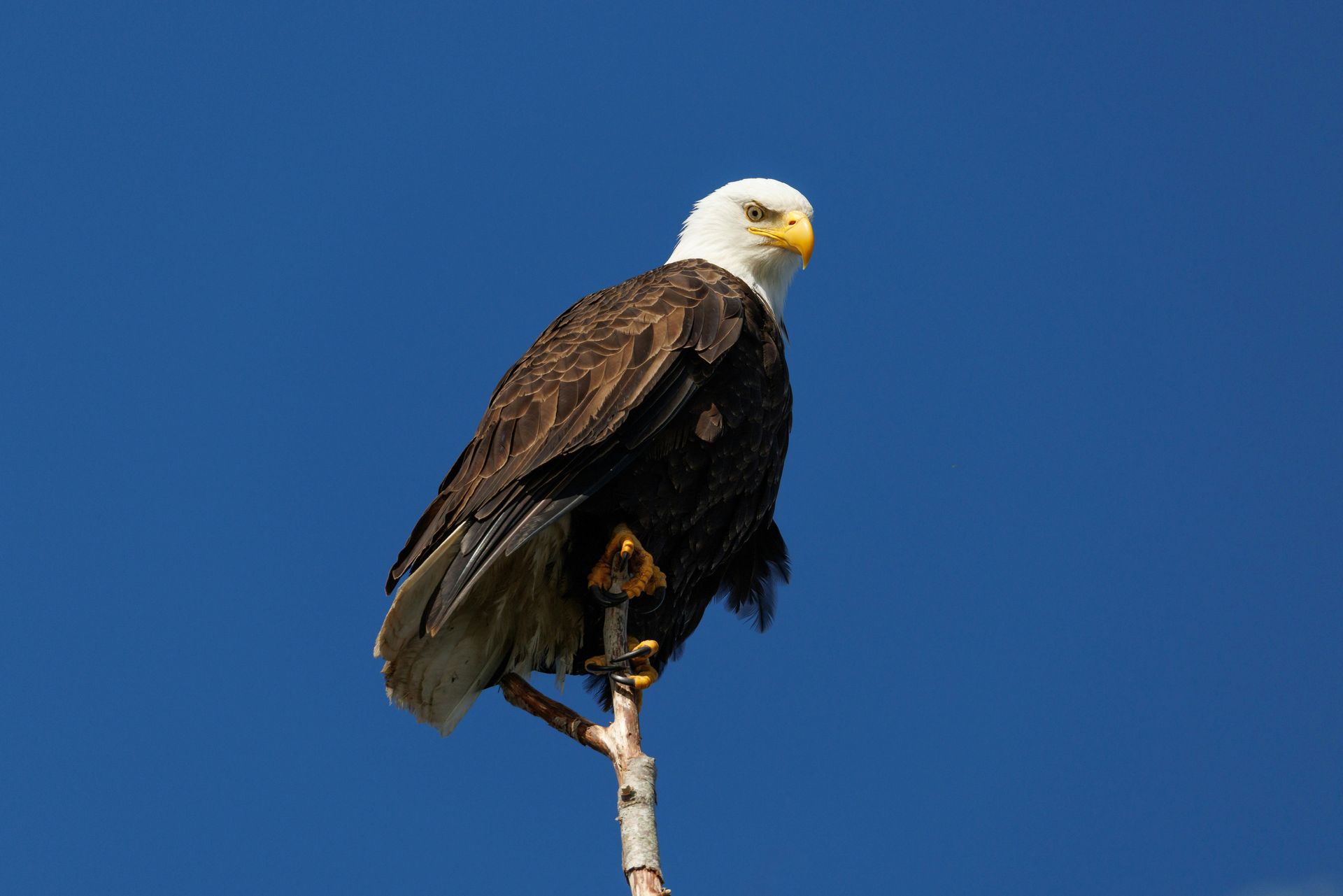
Big Bear Lake Eagles
Big Bear Lake is internationally known for its bald eagles, especially during nesting season, along with other birds of prey found in the region. Because eagle activity is a major topic of interest, detailed viewing information, nesting updates, and seasonal patterns are covered separately.