First Time in Big Bear Lake? Start Here
Big Bear Lake is an easy Southern California getaway, but visiting a mountain community at 6,750 feet comes with a few things first-time visitors don't always expect.
The road you take matters. Weather can change quickly. Big Bear Lake and Big Bear City aren't the same place. Some forest parking areas require an Adventure Pass, and although The Village is walkable, most of Big Bear is spread out enough that having a car makes a big difference.
Here are the things worth knowing before your first trip.
Big Bear Lake and Big Bear City Are Not the Same Place
Despite the similar names, Big Bear Lake and Big Bear City are different communities.
The City of Big Bear Lake includes many of the places visitors recognize most easily, including The Village, much of the south shore, marinas, restaurants and major tourist areas.
Big Bear City extends farther east and includes more residential neighborhoods, cabins and local businesses.
Both can be good places to stay. The important thing is checking the actual location of your lodging before booking instead of assuming anything with a "Big Bear" address is close to The Village or lake.
Where You Stay Can Completely Change Your Trip
Big Bear isn't a compact resort where every hotel and cabin is within walking distance of everything else.
Stay near The Village if restaurants, shopping and walking around town are priorities.
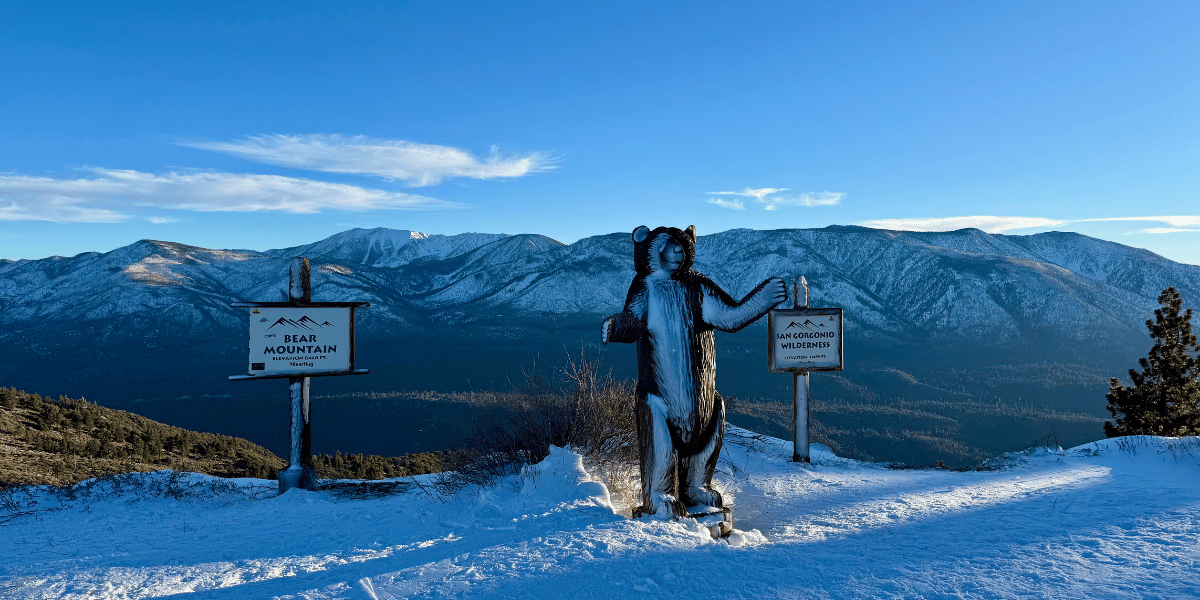
Choose Moonridge if you want convenient access to Bear Mountain, the Alpine Zoo and mountain neighborhoods.
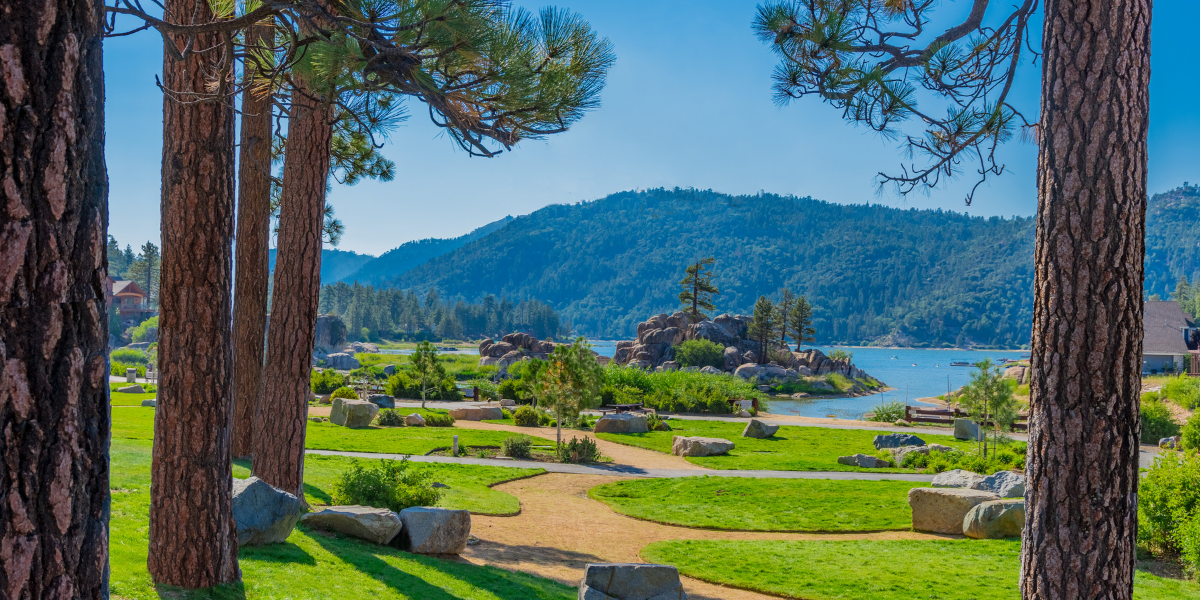
Look around Boulder Bay or the west end if you prefer lake scenery and a quieter setting.
Cabins farther east can offer more space and a residential mountain feel, but you'll likely spend more time driving.
There Are Three Main Roads Into Big Bear
Visitors commonly reach Big Bear using Highway 330/18, Highway 38 or Highway 18 through Lucerne Valley.
There isn't one route that's best for every visitor. Your starting point, current road conditions, weather and comfort with mountain driving all matter.
Before leaving home, check your route rather than automatically following the first option suggested by navigation.
Winter Chain Requirements Can Change Quickly
Snow may be falling in Big Bear even when conditions are completely dry where your trip begins.
During winter storms, chain controls can be implemented on mountain highways with little notice. Requirements depend on current road conditions and your vehicle.
If you're visiting during snow season, carry the proper chains or traction devices for your vehicle and check current conditions before driving up the mountain.
Big Bear Lake Is About 6,750 Feet Above Sea Level
Big Bear's elevation is high enough that some visitors notice the change soon after arriving.
You may feel more winded walking uphill, become thirsty faster or notice that physical activity feels more difficult than it normally does at home.
Give yourself time to adjust, drink water and avoid making your first activity a strenuous hike immediately after driving into town.
You Will Probably Want a Car
Big Bear does have public transportation, including the free trolley, but the valley covers a large area.
Trailheads, parks, ski resorts, restaurants, attractions and lodging are spread across different neighborhoods.
The trolley can be useful for certain trips, but most first-time visitors will find having a vehicle much more convenient.
The Village Is Walkable — Most of Big Bear Is Not
Once you park in The Village, restaurants, coffee shops, boutiques, dessert shops and other businesses are easy to explore on foot.
That changes quickly once you leave the downtown area.
Driving between The Village, Moonridge, the north shore, Boulder Bay and other parts of the valley is usually the practical option.
Parking Is Different at Every Attraction
There isn't one Big Bear parking rule that applies everywhere.
The Village has street spaces and public parking lots.
Boulder Bay has one primary parking lot with few practical overflow options.
Forest trailheads may have small lots, roadside parking restrictions or recreation-pass requirements.
Before heading to a trail or attraction during a busy weekend, check the parking section of its individual guide.
Some National Forest Recreation Areas Require an Adventure Pass
An Adventure Pass is not a general entrance fee for visiting Big Bear.
It applies to parking at certain designated recreation sites within the San Bernardino National Forest.
That means one trailhead may require a pass while another nearby location may not.
Check the requirements for the specific place you're visiting rather than assuming every hike requires one.
Popular Activities Can Sell Out on Busy Weekends
Big Bear receives heavy visitor traffic during summer weekends, winter snow periods and major holidays.
Boat rentals, ski activities, popular restaurants and certain events can fill well ahead of time.
If there's one activity your trip depends on, reserving it ahead of time is usually better than building your day around last-minute availability.
Mountain Weather Changes Fast
Big Bear weather doesn't always behave like the weather in Southern California below the mountains.
Temperatures can drop quickly after sunset, afternoon winds can make the lake noticeably rougher, and mountain storms can develop even when conditions were clear earlier in the day.
Bring layers and check the forecast for Big Bear itself rather than relying on weather conditions where you're driving from.
You Can't Access the Lake Everywhere
Big Bear Lake may dominate the view, but much of the shoreline includes private homes, marinas or areas without convenient public access.
For easy public lake views and shoreline access, places like Boulder Bay Park, Stanfield Marsh and sections along the north shore are much more practical than simply pulling off wherever you see the water.
Weekends and Midweek Visits Can Feel Completely Different
A quiet Tuesday in Big Bear and a Saturday after fresh snow can feel like two different destinations.
Traffic, restaurant waits, parking and attraction crowds increase significantly during peak weekends.
If your schedule is flexible, midweek visits generally mean easier parking, quieter trails and shorter restaurant waits.
Big Bear Can Be Great With Dogs — But Check Each Activity
Many trails, restaurant patios, parks and lodging options welcome dogs.
That doesn't mean every place does.
The Alpine Zoo does not allow pets, some businesses restrict dogs to patios, and mountain trails can become hot, snowy, rocky or difficult depending on the season.
Check individual dog policies and consider your dog's fitness and experience at elevation.
Your Best Big Bear Trip Depends on the Season
Big Bear is a genuinely year-round destination, but the experience changes dramatically.
Winter revolves around snow, skiing, snow play and winter road conditions.
Spring is quieter, though trails can remain snowy or muddy.
Summer brings lake activities, hiking, events and the busiest outdoor season.
Fall offers cooler temperatures, changing foliage and generally lighter crowds between major events.
Before planning your itinerary, choose activities that make sense for the time of year you're actually visiting.
Good to Know
Big Bear Lake is a mountain destination, not a compact resort town. Attractions, trailheads, restaurants, ski areas, and lodging are spread throughout the valley, so where you stay can make a big difference in how much driving you do. Check the actual location of your lodging before booking—especially if being able to walk to The Village or stay close to the lake is important to you.
Start Planning Your Trip
Now that you know what to expect, build your trip around the things that matter most to you.