
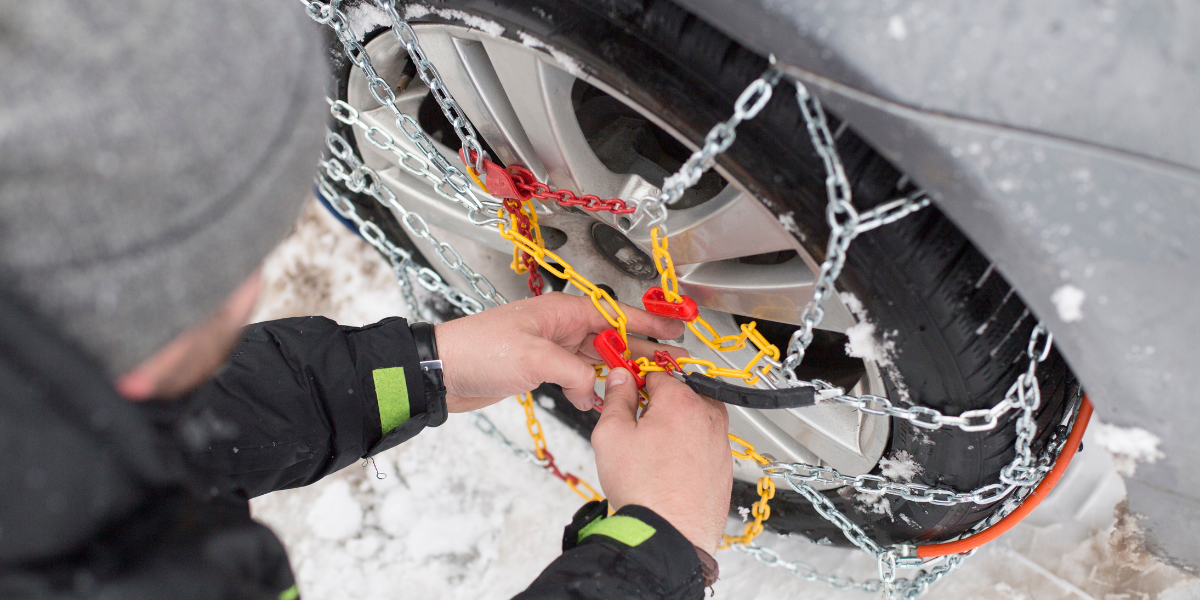
Yes, you are required to carry snow chains when driving to Big Bear Lake during winter months — even if it is not snowing.
Chain controls (R1, R2, or R3) may be activated due to snow or ice on Highways 18, 330, or 38. Roads are typically plowed quickly, but drivers must carry chains in case conditions change.
Here’s exactly what you need to know before driving to Big Bear in winter.
Do You Need to Carry Snow Chains in Big Bear Lake?
Yes. During winter months, you are legally required to carry chains in your vehicle when traveling to Big Bear Lake — even if it is not actively snowing.
This rule exists for one reason: conditions can change quickly in the mountains.
- Snowstorms can arrive unexpectedly.
- Ice can form overnight even without new snowfall.
- Chain controls can be activated after you’ve already arrived.
- You may be required to use chains to leave town if a storm moves in.
Law enforcement and CHP don’t just consider current weather — they consider forecasted conditions and road safety. Ice is often more dangerous than falling snow, especially on shaded mountain roads.
If you do not have chains when restrictions are active, you can be turned around before reaching town.
Do You Need Chains If It’s NOT Snowing?
Possibly, yes.
Chain controls are often enforced due to:
- Overnight freezing temperatures
- Shaded mountain curves
- Black ice
- Packed snow from previous storms
Even if Big Bear Lake looks clear, higher elevations and highways may still require chains.
Clear skies do not automatically mean safe driving conditions.
Understanding Chain Control Levels (R1, R2, R3)
Chain restrictions are issued by CHP and Caltrans using three levels:
R1
- Chains required on most vehicles.
- Vehicles with snow tires may be exempt.
R2 (Most Common)
- Chains required on all vehicles except:
- 4WD or AWD vehicles
- Equipped with snow-rated tires on all four wheels
- Even exempt vehicles must still carry chains.
R3 (Rare)
- Chains required on all vehicles, no exceptions.
- This level is uncommon but possible during major storms.
Most winter visitors encounter R2 restrictions.
Do AWD or 4WD Vehicles Need Chains in Big Bear?
Under R2 restrictions, AWD and 4WD vehicles with snow-rated tires typically do not need to install chains — but they must still carry them.
Under R3 restrictions, all vehicles must install chains.
Important: Many rental cars do not have proper snow-rated tires. AWD does not make a vehicle immune to ice.
What Happens If You Don’t Have Chains?
If restrictions are active and you do not have chains:
- You may be turned around by CHP.
- You may receive a citation.
- You could become stranded.
- You could cause road blockages or accidents.
Buying Chains in Big Bear Is Difficult
During storms:
- Local stores sell out quickly.
- Supply is limited.
- Gas stations rarely carry proper sizes.
- Prices increase due to demand.
Buy chains before coming up the mountain.
Common places to purchase:
- Walmart (usually stocked in winter)
- Amazon (order in advance and confirm correct size)
- Auto parts stores in lower elevations
Do not rely on finding chains once you arrive.
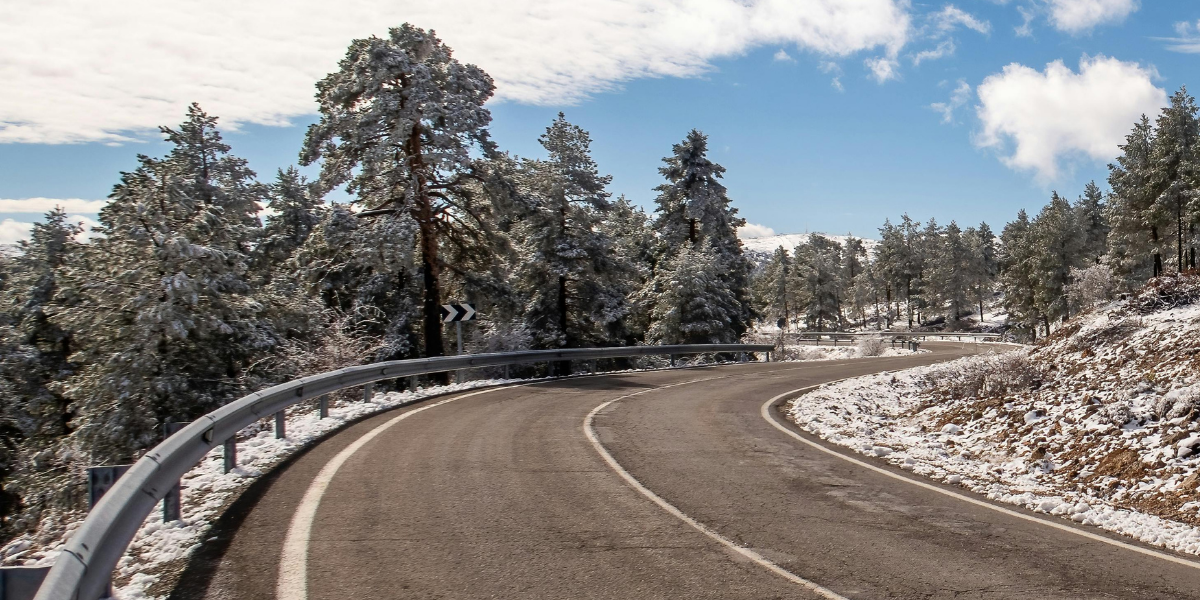
When Does Big Bear Usually Require Chains?
Chain controls are most common between:
November through March
They are typically required:
- During active storms
- Immediately after storms
- Overnight when temperatures drop below freezing
Holiday weekends often coincide with winter weather, increasing enforcement and traffic delays.
How to Check Big Bear Road Conditions Before You Drive
Before heading up:
- Check Caltrans QuickMap
- Look at CHP chain control updates
- Monitor weather forecasts
- Confirm Highway 38 status if considering that route
Do not rely solely on social media comments for road conditions.
Conditions can change quickly within hours.
Is It Snowing in Big Bear Right Now?
Weather in town does not always reflect highway conditions.
Important to remember:
- Big Bear Lake sits at over 6,700 feet elevation.
- Higher elevation highways may see snow before town.
- Microclimates affect different areas differently.
- Snow can fall at night and freeze by morning.
Always check current weather and chain restrictions before departure.
Local Winter Driving Tips from Big Bear Residents
These are practical safety tips visitors often overlook.
Gas Up Before You Climb
Fuel up in lower elevations because:
- Power outages occur during storms.
- Gas stations cannot pump fuel without electricity.
- Cell service can drop in severe weather.
- You don’t want to be low on fuel during delays.
Avoid Early Morning Black Ice
Even after plowing:
- Shaded curves freeze overnight.
- Bridges freeze first.
- Residential streets remain icy longer.
Midday travel is often safer after storms.
Install Chains in Safe Areas
Use designated turnouts.
Never stop in active traffic lanes.
Practice installing chains before your trip.
Allow Extra Time
Winter travel takes longer.
Traffic increases significantly during snow weekends.
Sunday departures after storms are often congested.
Final Takeaway
Big Bear Lake does not close when it snows. Roads are usually kept open and plowed quickly. However, winter mountain driving requires preparation.
Carry chains.
Check conditions before leaving.
Gas up.
Allow extra time.
Being prepared makes the difference between a stressful trip and a smooth mountain
getaway.
Do I need snow chains to drive to Big Bear Lake?
Yes. During winter months, drivers are required to carry snow chains when traveling to Big Bear Lake. If chain controls (R1, R2, or R3) are active on Highways 18, 330, or 38, you may be required to install them. Even if no restrictions are active, you must carry chains in case conditions change.
Do I need chains in Big Bear if it is not snowing?
Possibly. Chain controls are often enforced due to ice or freezing temperatures, even when it is not actively snowing. Mountain highways can remain icy after storms, especially in shaded areas. Drivers must carry chains during winter travel to Big Bear.
What are the road conditions like in Big Bear after snow?
Main highways into Big Bear (18, 330, and 38 when open) are usually plowed quickly. Big Bear Boulevard and the Village clear faster than residential streets. Side roads and neighborhoods may remain snow-packed or icy for several days after a storm.
Is Highway 38 open to Big Bear during winter?
Highway 38 is typically open during winter storms but may experience temporary closures due to weather or previous mudslide damage. Always check Caltrans for current Highway 38 conditions before choosing your route.
What does R2 chain control mean in Big Bear?
R2 is the most common chain restriction level in Big Bear. Chains are required on all vehicles except 4WD or AWD vehicles equipped with snow-rated tires on all four wheels. Even exempt vehicles must still carry chains.
Do AWD or 4WD vehicles need chains in Big Bear?
Under R2 restrictions, AWD and 4WD vehicles with snow-rated tires usually do not need to install chains but must carry them. Under R3 restrictions, all vehicles must install chains with no exceptions.
Can I drive to Big Bear without chains?
You can drive to Big Bear without installing chains only if no chain controls are active. However, during winter months, you are required to carry chains in your vehicle. If restrictions are active and you do not have chains, you may be turned around.
Can I buy snow chains in Big Bear?
It can be difficult to buy snow chains in Big Bear during storms because stores sell out quickly. Supply is limited, and prices may increase during heavy demand. It is best to purchase chains in lower elevations before driving up the mountain.
Does Big Bear close when it snows?
No. Big Bear Lake does not close when it snows. Roads are typically plowed quickly, and businesses remain open. However, chain controls may be required, and travel times increase during storms and holiday weekends.
Is it safe to drive to Big Bear in winter?
Driving to Big Bear in winter requires preparation. Carry chains, check road conditions before leaving, fuel up before climbing the mountain, and allow extra travel time. Most winter travel issues occur when drivers are unprepared for snow and ice.
Local tips, seasonal guides, trip ideas, and more—delivered to your inbox.
Newsletter Side Bar
We will get back to you as soon as possible.
Please try again later.
Get the Big Bear Guide
Featured Guides
Best spots & seasonal tips
Scenic drive route & tips
Easy walk with big views
Big Bear's Downtown
Local Favorites
Continue Exploring Big Bear
Boardwalk over the Stanfield Marsh & Wildlife Preserve.