
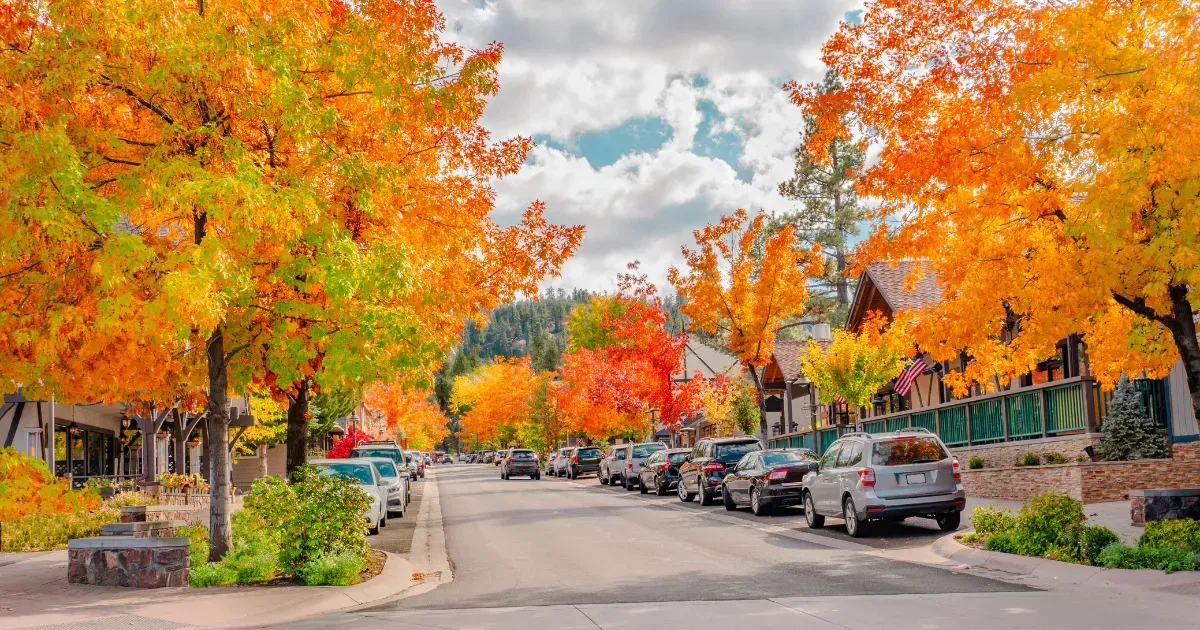
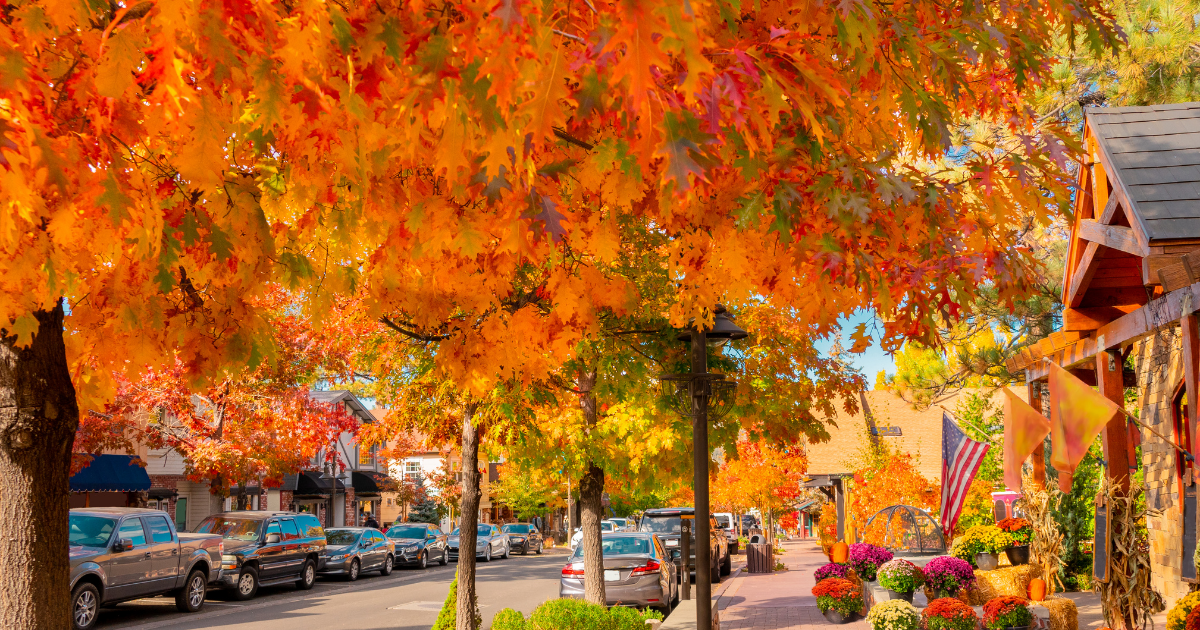
Fall colors in Big Bear Lake usually begin appearing in late September and continue into early November, but peak color varies by elevation, weather and location. Aspens, willows, cottonwoods and oaks create pockets of yellow, gold and orange around the lake and surrounding mountains.
If you're planning a fall trip, timing matters. This guide covers when colors typically peak, where to find the best fall foliage, scenic drives worth taking and how to plan your visit around current conditions.
When Do Fall Colors Peak in Big Bear?
Big Bear's fall color season generally runs from late September into early November, but peak color doesn't happen everywhere at once. Elevation, tree species, overnight temperatures, wind and weather can cause one area to peak while another is still changing.
October is typically the best month to plan a fall-color trip. Mid-October is a good general target, but visitors coming specifically for foliage should check current conditions before making the drive.
Late September–Early October
Early color begins appearing in pockets around the valley. Don't expect peak color everywhere yet, but this is when the transition usually becomes noticeable.
Mid-October
Often the best overall window for finding a mix of fall color around Big Bear Lake. Different areas may be at different stages, so exploring more than one part of the valley gives you the best chance of finding good color.
Late October–Early November
Color may linger in lower elevations and protected areas even after some higher-elevation trees have dropped their leaves. Wind and early storms can shorten the season quickly.
Big Bear Fall Colors 2026: Current Conditions
Last Updated: September 2026
Current Color: Early Season
Fall color is just beginning around Big Bear. Expect mostly green conditions with the first pockets of yellow beginning to appear as nighttime temperatures cool.
Best Areas Right Now: We'll update this section throughout the 2026 fall-color season as conditions change around the valley.
Local Tip: Fall color can change surprisingly quickly in the mountains. During October, check this report again shortly before your trip rather than relying on photos or reports from previous weeks.
Best Places to See Fall Colors in Big Bear Lake
Big Bear doesn't turn into one continuous blanket of fall foliage. Much of the surrounding forest is evergreen, so the best color tends to appear in pockets around the lake, meadows, neighborhoods, trails and lower-elevation vegetation.
That makes knowing where to look especially important.
Stanfield Marsh
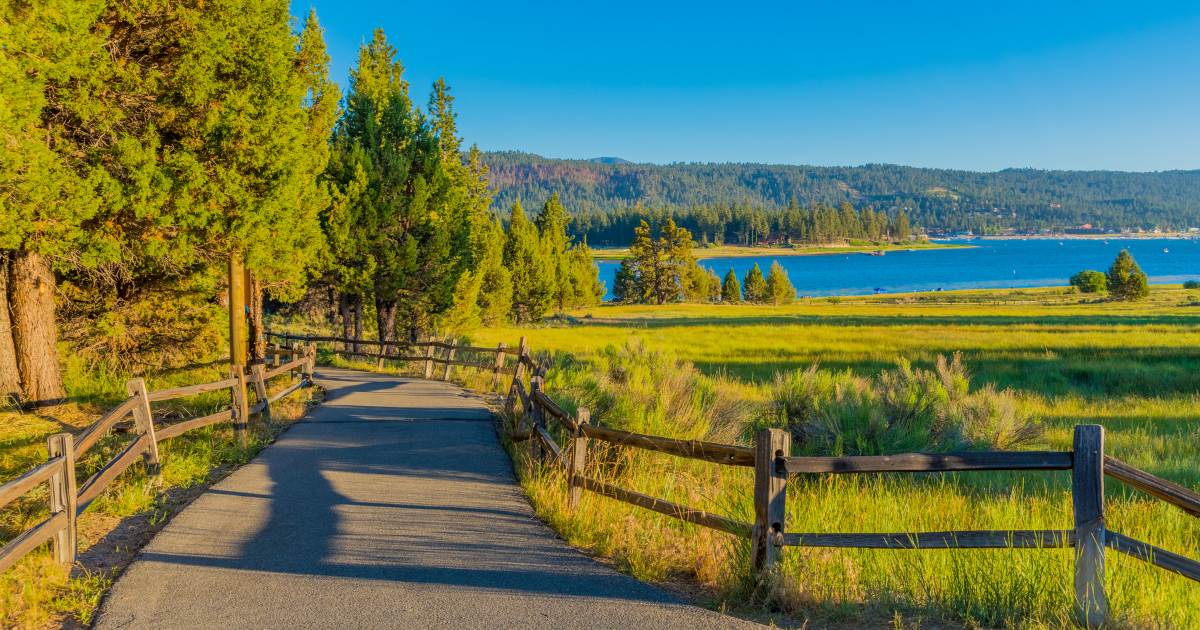
Stanfield Marsh is one of the easiest places to enjoy fall color without a long hike. The boardwalk and surrounding shoreline vegetation can provide yellows and golds against the lake, while calm conditions create excellent reflections.
It's also a good choice if you want to combine fall scenery with birdwatching and views across the east end of Big Bear Lake.
Best for: Easy walking, reflections and photography
Best time: Morning for calmer water or late afternoon for warmer light
Parking: Main parking is available near the boardwalk, with additional roadside access in the area.
Alpine Pedal Path
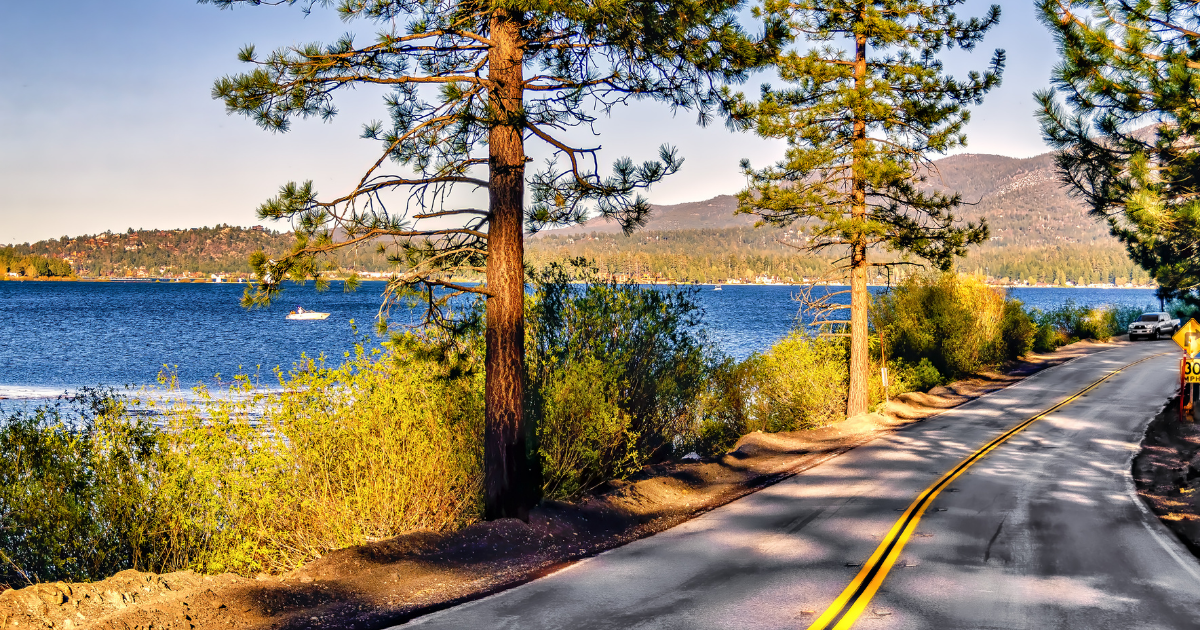
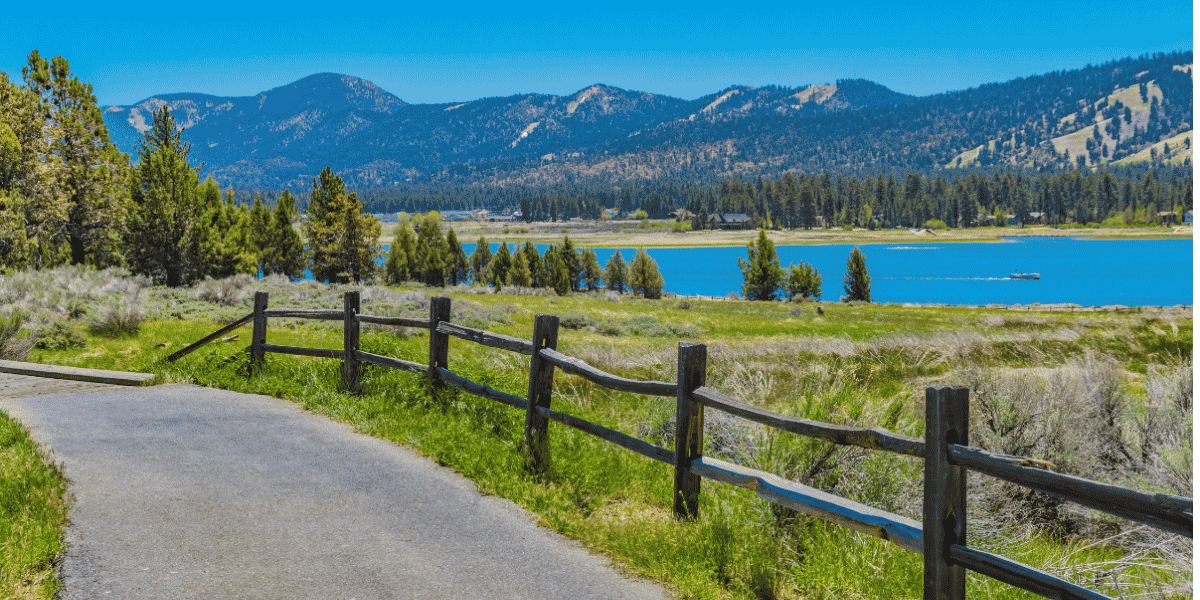
The Alpine Pedal Path follows the north shore of Big Bear Lake, combining lake views, forest scenery and pockets of seasonal color along an easy paved route.
Because you can walk or bike as much or as little of the trail as you want, it's one of the easiest fall outings for families, dog owners and visitors who don't want a strenuous hike.
You also don't need to complete the entire path. Pick a section, enjoy the lake and foliage, and turn around whenever you're ready.
Best for: Walking, biking, families and dogs
Trail: Paved and relatively easy
Good to know: Fall color varies considerably along the path, so walking a longer section can reveal very different conditions.
Explore the Alpine Pedal Path →
Boulder Bay Park
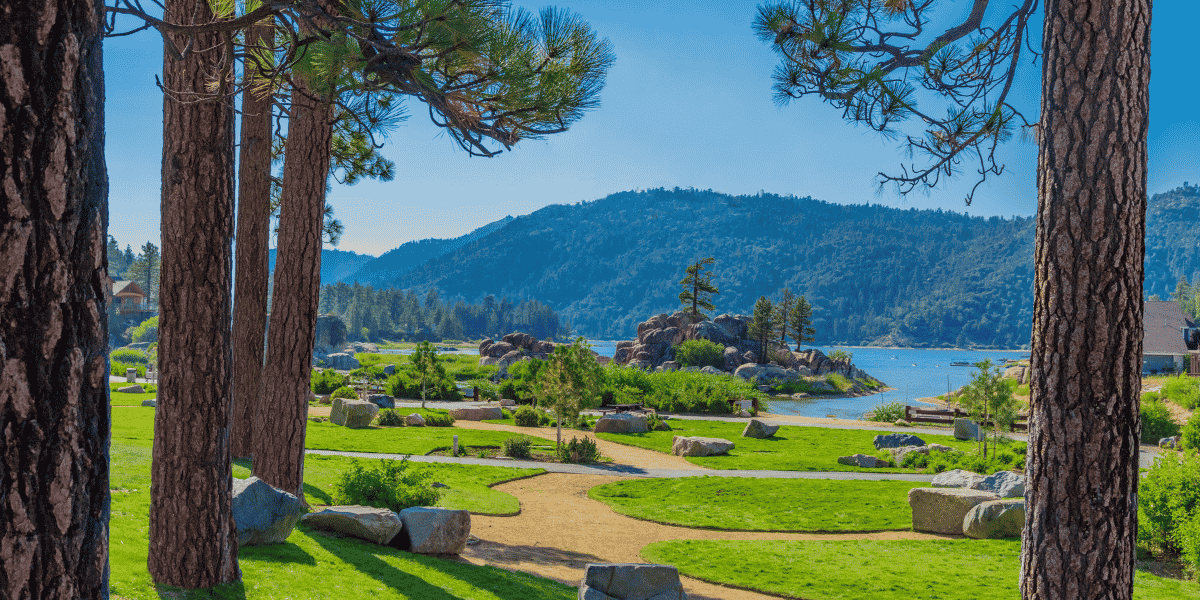
Boulder Bay combines fall color with one of Big Bear Lake's most recognizable shoreline views. The park is small and easy to explore, making it a good stop for visitors who want fall photos without committing to a hike.
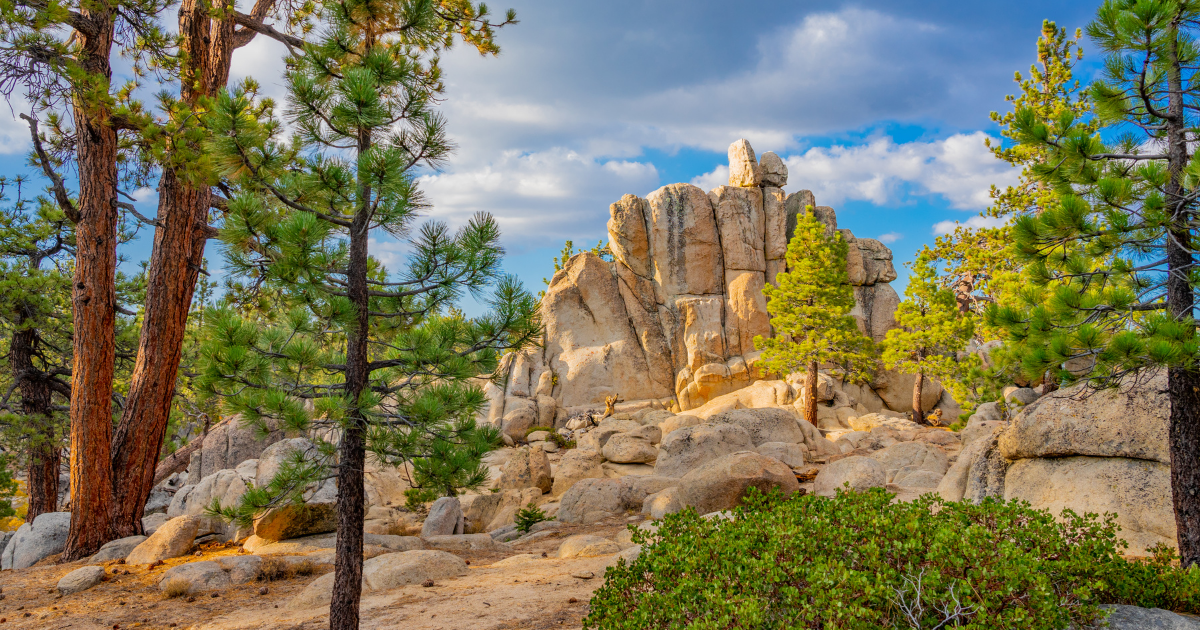
The combination of shoreline vegetation, granite boulders, lake views and surrounding mountain scenery makes this particularly worthwhile when pockets of fall color are active around the west end of the lake.
Best for: Lake views, easy access and photography
Good to know: The parking lot can fill quickly during busy periods. Because Boulder Bay sits directly off Highway 18, there isn't much convenient overflow parking nearby, so arriving earlier is your best option.
Explore Boulder Bay Park →
Pine Knot Trail
If you'd rather experience fall color on a hike, Pine Knot Trail combines forest scenery with changing elevations and expansive views above Big Bear Lake.
Fall color isn't continuous along the trail—the surrounding forest is largely evergreen—but seasonal vegetation mixed into the forest can add pockets of color along the route.
Best for: Hiking and forest scenery
Difficulty: Moderate
Good to know: Check current color conditions before choosing a longer hike specifically for foliage.
Big Bear Lake Village
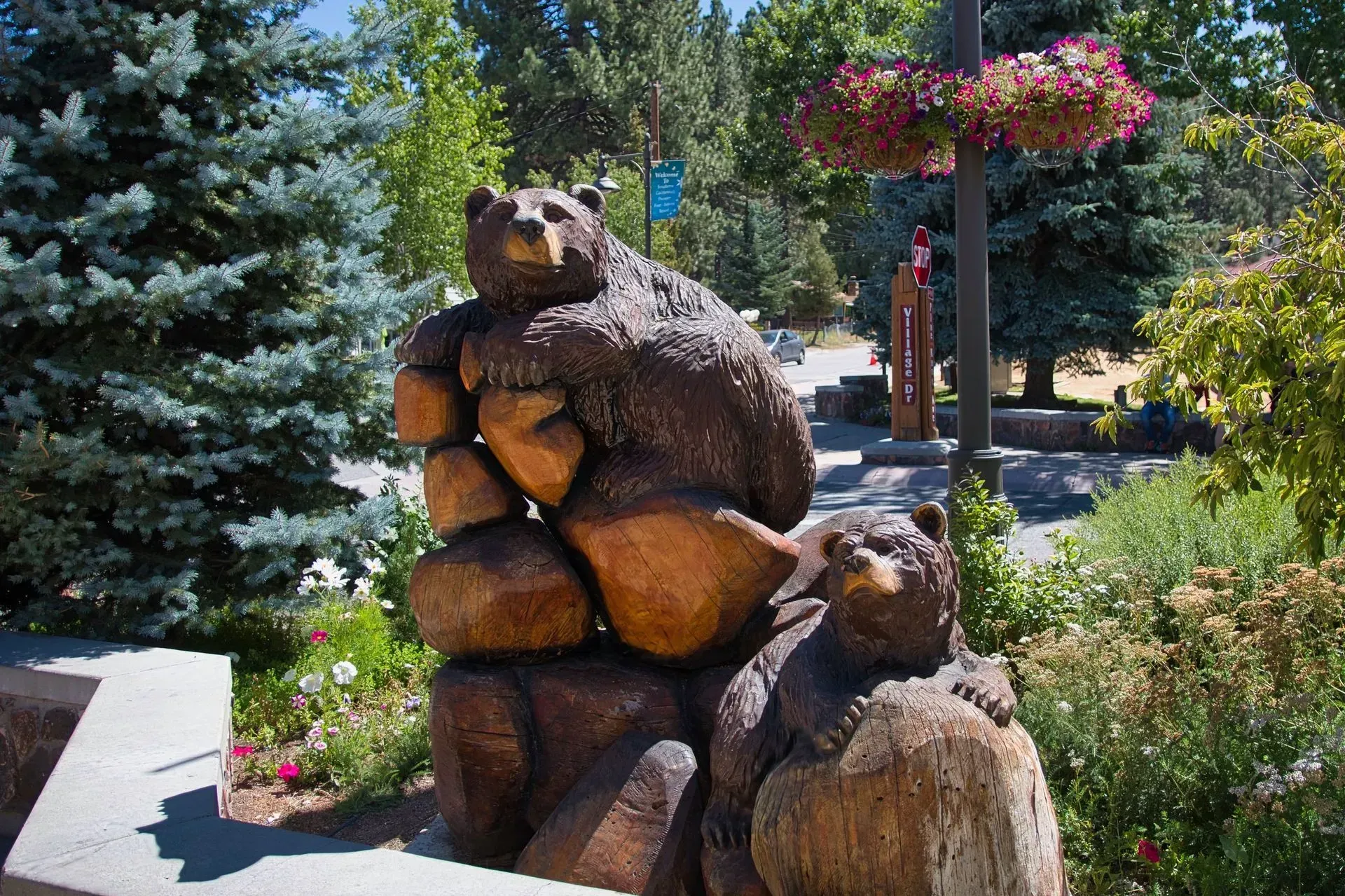
The Village is a good fall stop if you want seasonal atmosphere without planning a dedicated hike or scenic drive. Fall color appears throughout the surrounding neighborhood and commercial area, while shops, restaurants and seasonal events make it easy to combine sightseeing with the rest of your day.
It's particularly convenient for visitors who want to enjoy cooler fall weather, walk for a while and then stop for lunch, coffee or shopping.
Best for: Shopping, dining and an easy fall stroll
Good to know: Check the Big Bear events calendar during fall. The Village hosts events throughout the year, which can also affect parking and crowds.
North Shore
The north shore is one of the easiest areas to explore when you're specifically looking for changing foliage. Rather than heading to one exact viewpoint, drive North Shore Drive and watch for pockets of color around the shoreline, neighborhoods and open areas.
Combine the drive with stops at the Alpine Pedal Path and Stanfield Marsh to turn it into an easy fall outing.
Best for: Scenic driving, lake views and finding scattered pockets of color
Can You See Fall Colors Around Big Bear Without Hiking?
Yes. Some of Big Bear's easiest fall-color viewing requires little or no hiking.
Drive the north shore, stop at Stanfield Marsh or Boulder Bay, walk through Big Bear Lake Village, or explore a short section of the paved Alpine Pedal Path.
For visitors with limited mobility, young children or anyone who simply doesn't want to spend several hours hiking, these are generally better choices than choosing a longer forest trail solely to see foliage.
You can also combine several of them into one trip rather than trying to predict which single location will have the best color.
Best Scenic Drives for Big Bear Fall Colors
Driving is one of the best ways to look for fall color because elevation and vegetation change quickly throughout the San Bernardino Mountains.
Drive Around Big Bear Lake
Best for an easy fall drive
Circle Big Bear Lake using Big Bear Boulevard/Highway 18 and North Shore Drive/Highway 38.
The drive allows you to check several different areas without committing your entire day to one location.
Stop at places such as Boulder Bay, Stanfield Marsh and the north shore as conditions warrant.
The real advantage of this drive during fall is flexibility: if one area hasn't developed much color yet, keep going.
Explore the Big Bear Lake Scenic Drive →
Highway 38
Best for changing elevations
Highway 38 travels through several elevation zones as it leaves Big Bear Valley, so vegetation and fall conditions can change substantially along the route.
This is particularly useful when color around the lake isn't quite at peak—or when you're looking for a longer mountain drive rather than a short loop around Big Bear.
Remember that Highway 38 is a mountain highway. Conditions, temperatures and fall color can be very different as elevation changes.
Rim of the World
Best for mountain views
The Rim of the World route combines broad San Bernardino Mountain scenery with changing vegetation and overlooks along the drive.
It's a better choice for visitors who want the scenic drive itself to be the day's activity rather than simply driving from one fall-color stop to another.
Best Time of Day to See and Photograph Fall Colors
There isn't one perfect time of day for every location.
Morning can be especially good around the lake when winds are lighter and the water is calmer. At places like Stanfield Marsh, calm conditions can create better reflections of surrounding foliage.
Late afternoon brings warmer light that can make yellows, oranges and golds appear richer in photographs.
Midday still works—particularly if that's when your schedule allows—but direct overhead sunlight can create stronger contrast and harsher shadows.
If photography is your priority, don't focus only on individual trees. Some of Big Bear's best fall images combine foliage with the lake, mountains, boulders or forest to make the location recognizable.
Local Tips for Seeing Big Bear Fall Colors
Don't Expect the Entire Forest to Change Color
Big Bear is surrounded primarily by evergreen forest. Fall here looks different from destinations famous for enormous forests of deciduous trees.
Instead, you'll find concentrated pockets of yellow, gold and orange mixed into the mountain landscape.
Knowing that before you arrive helps set realistic expectations—and makes it easier to understand why driving around the valley is often more productive than heading to one specific location.
Don't Rely on Last Year's Peak Date
Fall color doesn't follow an exact calendar.
Temperatures, wind, precipitation and early storms can all affect when leaves change and how long they remain on the trees.
Use historical timing to plan the general window, then use current conditions to decide exactly when and where to go.
Weekdays Are Easier
Fall weekends can bring heavier traffic, particularly when color is near peak or when seasonal events are happening.
If your schedule is flexible, visiting Sunday through Thursday can mean easier parking and fewer people at popular locations.
Don't Stop in Unsafe Areas for Photos
If you spot great color while driving, find a legal turnout or designated parking area before stopping.
Don't stop in traffic lanes, block narrow mountain roads or park on vegetation simply to get a photograph.
Leave the Leaves
Enjoy the foliage where it is. Don't damage branches, climb trees or leave trails to reach a particular patch of color.
Planning a Fall Trip to Big Bear
Fall color can change quickly in the mountains. If foliage is the main reason for your trip, check the current color report above shortly before leaving and remember that conditions can vary significantly around the valley.
Don't limit yourself to one location.
A morning at Stanfield Marsh or the Alpine Pedal Path, followed by a drive around Big Bear Lake with stops at Boulder Bay and the north shore, gives you a much better chance of finding good color than heading to a single tree or viewpoint you saw online.
And if Big Bear hasn't reached peak color everywhere yet, changing elevation on one of the surrounding scenic drives may reveal completely different conditions.
Big Bear Fall Colors FAQs
When do fall colors peak in Big Bear Lake?
Big Bear's fall-color season generally runs from late September through early November, with October usually offering the best overall chance of seeing fall foliage. Exact peak timing changes each year based on weather, elevation and location.
Where is the best place to see fall colors in Big Bear?
Stanfield Marsh, the Alpine Pedal Path, Boulder Bay, the north shore and several forest trails can all offer fall color. The best location changes as foliage progresses around the valley, so checking several areas is often better than relying on one spot.
Is October a good time to visit Big Bear?
Yes. October is one of the best months for fall scenery in Big Bear, with cooler temperatures and changing foliage around the valley. Weekends can be busier, particularly when fall color is near peak.
Does Big Bear have fall colors?
Yes. Big Bear's surrounding pine forest remains predominantly evergreen, but deciduous trees and shrubs around the lake, meadows, neighborhoods and surrounding mountains produce pockets of yellow, gold, orange and occasional red each fall.
Local tips, seasonal guides, trip ideas, and more—delivered to your inbox.
Newsletter Side Bar
We will get back to you as soon as possible.
Please try again later.
Get the Big Bear Guide
Featured Guides
Best spots & seasonal tips
Scenic drive route & tips
Easy walk with big views
Big Bear's Downtown
Local Favorites
Continue Exploring Big Bear
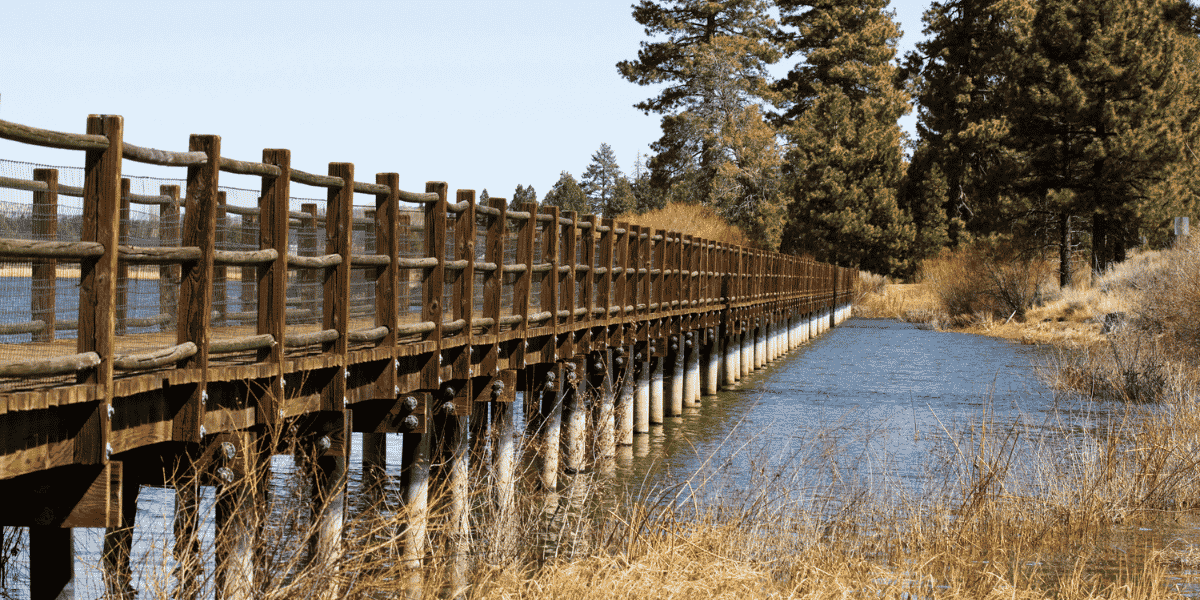
Boardwalk over the Stanfield Marsh & Wildlife Preserve.