
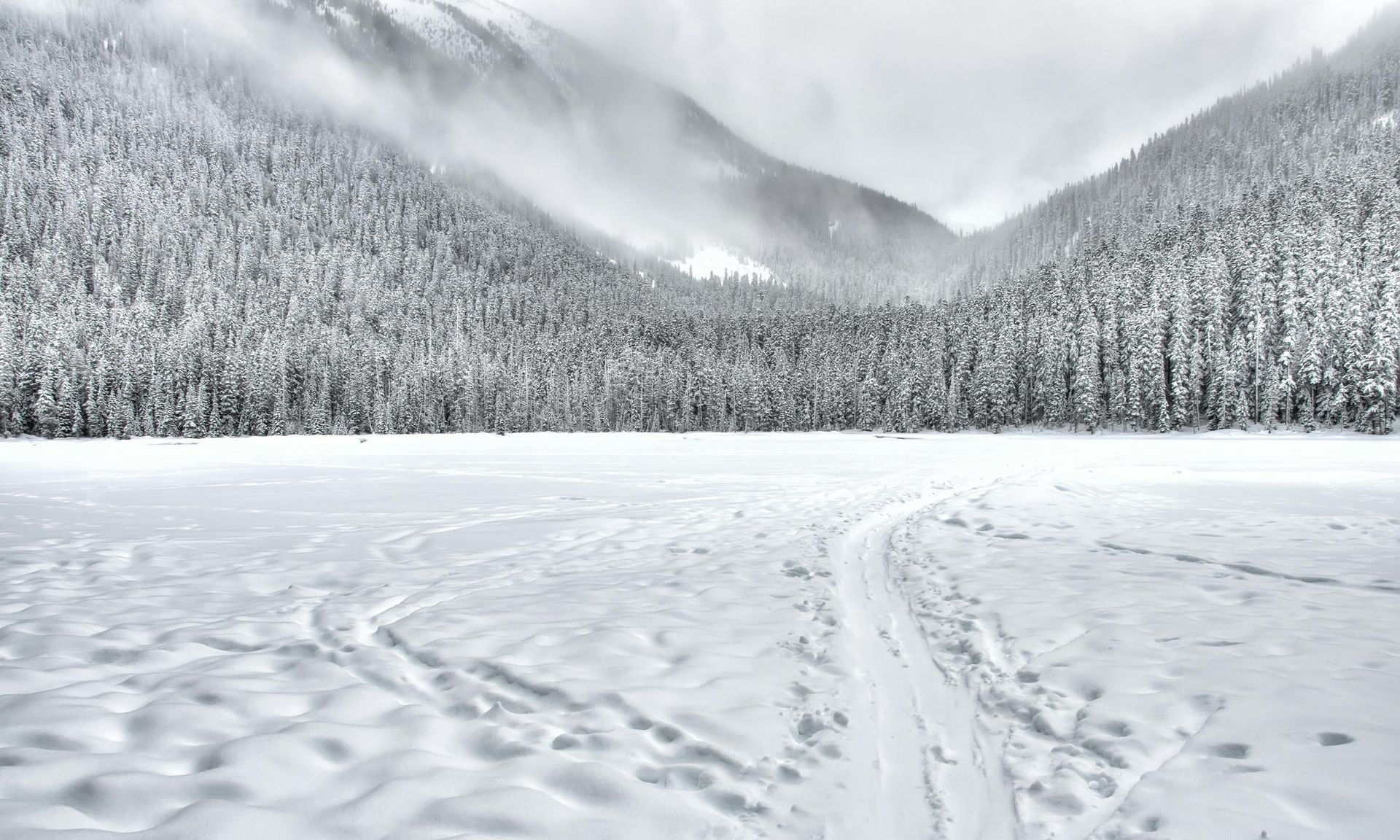
Wondering if there is snow in Big Bear right now? Snow conditions can vary dramatically throughout the winter — and snow at the ski resorts does not necessarily mean there is snow throughout Big Bear Lake.
Use this guide to understand current conditions, where you're most likely to find snow, whether the ski resorts are open, and what to know before driving up the mountain.
Current Snow Conditions in Big Bear
Last updated: October 26, 2026
There is currently no widespread snow on the ground in Big Bear Lake. Big Bear Mountain Resort is reporting dry base conditions, and the 2026–27 ski and snowboard season has not opened yet.
Big Bear Mountain Resort has not announced an official opening date for the winter season. November 21 is currently the earliest potential opening date listed by the resort, but that date is not confirmed and depends on temperatures, natural snowfall and snowmaking conditions.
If you're coming to Big Bear specifically to see snow, sled, ski or snowboard, don't plan on snow yet. Conditions can change quickly once the first significant winter storms arrive.
Is It Snowing in Big Bear?
Not currently. Late October is a transition period in Big Bear, and cold nighttime temperatures do not necessarily mean snow is on the ground.
The National Weather Service forecast for Big Bear Lake currently calls for daytime temperatures generally in the 50s, with overnight temperatures falling into the 30s. No significant snowfall is currently forecast for Big Bear Lake.
Once winter storms begin moving through Southern California, conditions can change rapidly. A dry mountain can look completely different after a single storm.
When Does Big Bear Usually Get Snow?
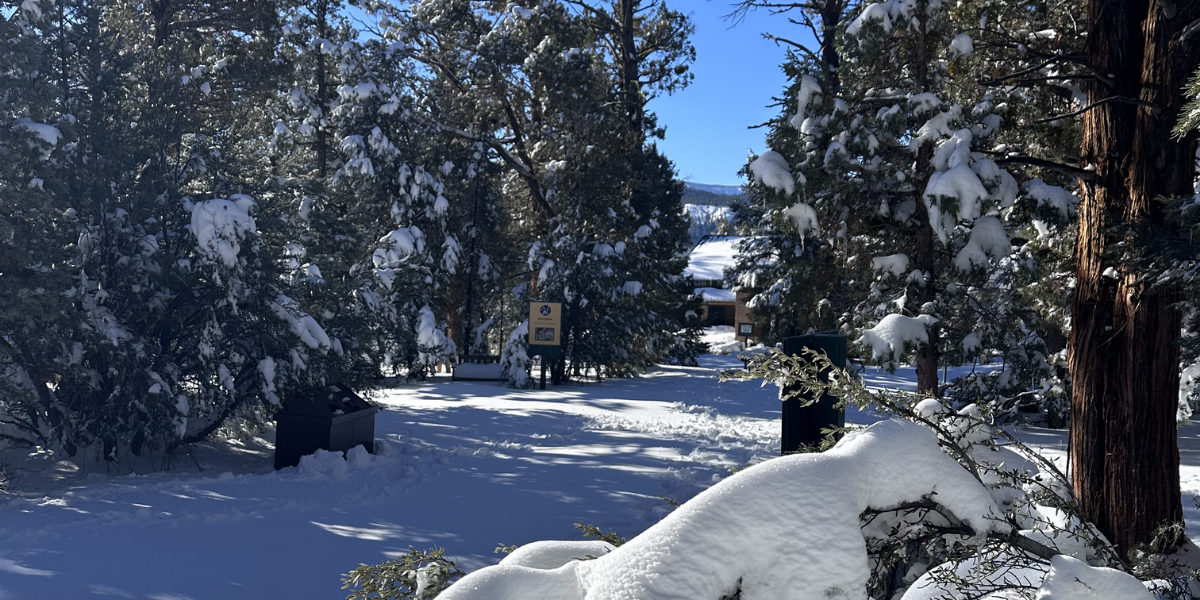
Big Bear's first snow can arrive in fall, but there isn't a reliable date when snow suddenly begins covering the area every year.
Some years bring early storms. Other years stay mostly dry well into November or December.
Natural snowfall can also melt quickly between storms, particularly in sunny areas. That means seeing snow in a weather forecast from several days ago doesn't necessarily tell you what you'll find when you arrive.
For trip planning, recent conditions matter much more than the calendar.
Is There Snow at Snow Summit and Bear Mountain?
Not yet for the 2026–27 winter season.
Snow Summit and Bear Mountain rely on a combination of natural snowfall and snowmaking to build their ski terrain. Because snowmaking requires sufficiently cold conditions, the resorts don't open on the same date every year.
Big Bear Mountain Resort currently says the 2026–27 opening date has not been confirmed.
Once the resorts open, it's also important to understand the difference between snow at the resorts and snow around town.
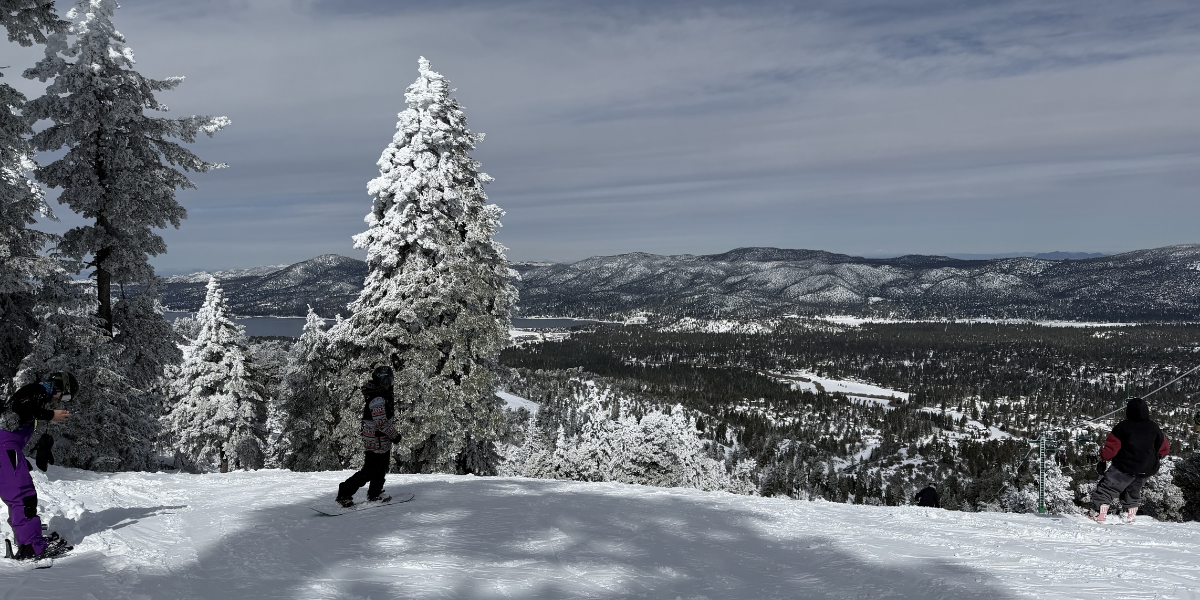
The ski slopes can have substantial machine-made and natural snow while roads, neighborhoods, The Village and lower-elevation areas around Big Bear Lake have little or no snow on the ground.
- If skiing or snowboarding is your goal, check the resort's current mountain report rather than judging conditions by what you see around town.
Can You Play in the Snow in Big Bear Right Now?
Not reliably right now.
When natural snow does arrive, snow play conditions can vary considerably around the valley. Sunny areas may melt quickly while shaded areas and higher elevations hold snow longer.
If your main reason for visiting is sledding, tubing or simply letting the kids play in the snow, check our Where to Play in the Snow in Big Bear guide before heading up.
During the winter season, commercial snow-play and tubing areas can also provide more dependable options because some make their own snow.
Where Does Snow Last Longest in Big Bear?
Snow doesn't melt evenly around Big Bear.
North-facing slopes, shaded forest areas and higher elevations generally hold snow longer than sunny locations. Open areas exposed to direct sunlight can lose snow surprisingly quickly even when temperatures remain cold.
This is why visitors sometimes arrive expecting the entire valley to be covered in snow and find a mixture of snowy patches, dry roads and bare ground.
Conditions can even look noticeably different from one side of Big Bear Lake to another.
Does Big Bear Have Snow All Winter?
No.
Big Bear is a Southern California mountain destination, not a place where the entire valley stays continuously covered in snow from December through March.
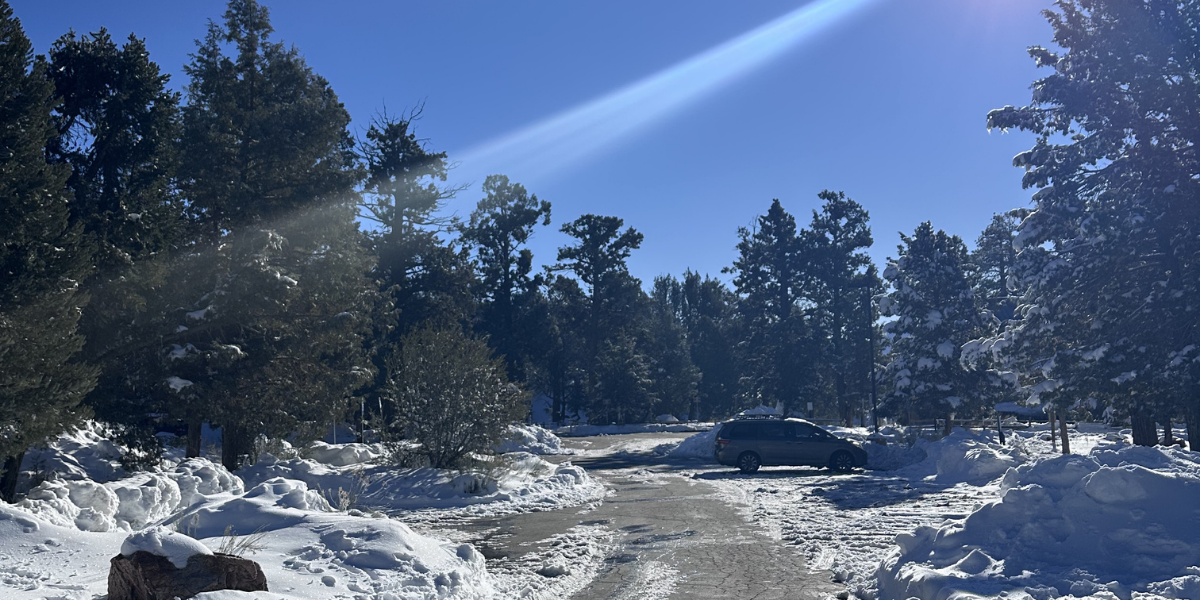
There may be periods with deep snow following major storms, followed by stretches of sunny weather when snow melts substantially around town.
The ski resorts are different because snowmaking helps maintain their slopes during the ski season.
If seeing natural snow is an important part of your trip, checking conditions shortly before you leave is much more reliable than assuming there will be snow simply because you're visiting during winter.
What About Snow on the Roads?
Snow on the mountains and snow on the highways are two different things.
Roads may be completely clear while snow remains on the ski slopes and in shaded areas. During an active winter storm, however, road conditions can change quickly and chain controls may be implemented.
The main routes into the Big Bear Valley include:
- Highway 330 through Running Springs
- Highway 18 through Running Springs
- Highway 18 through Lucerne Valley
- Highway 38 through Redlands
Which route is best can change with weather, traffic, accidents and road restrictions.
Before driving to Big Bear during winter weather, check current Caltrans conditions and read our Big Bear Chain Requirements & Winter Driving Guide.
Do I Need Chains to Drive to Big Bear?
Chains are required to be carried in all vehicles during winter.
Whether or not chain requirements will be implemented will depend on current road conditions.
During storms, Caltrans can establish chain-control levels requiring chains or traction devices depending on your vehicle and the restriction in effect. Conditions can also change while you're in Big Bear, so a clear drive up doesn't guarantee identical conditions when you leave.
If winter weather is possible during your trip, carry the appropriate traction equipment and understand how California chain controls work before heading into the mountains.
How to Check Big Bear Snow Before Your Trip
For the clearest picture, don't rely on a single weather app or an old social-media photo.
Check several things before leaving:
- Big Bear Mountain Resort's Mountain Report for Snow Summit and Bear Mountain operations and slope conditions.
- National Weather Service for the Big Bear Lake forecast and incoming storms.
- Caltrans QuickMap or highway conditions for closures, chain controls and road problems.
- This page for a visitor-focused summary of what current conditions mean around Big Bear Lake.
Check again the morning you leave if a storm is approaching. Mountain weather and road conditions can change quickly.
Planning a Big Bear Winter Trip
Snow is only part of winter in Big Bear.
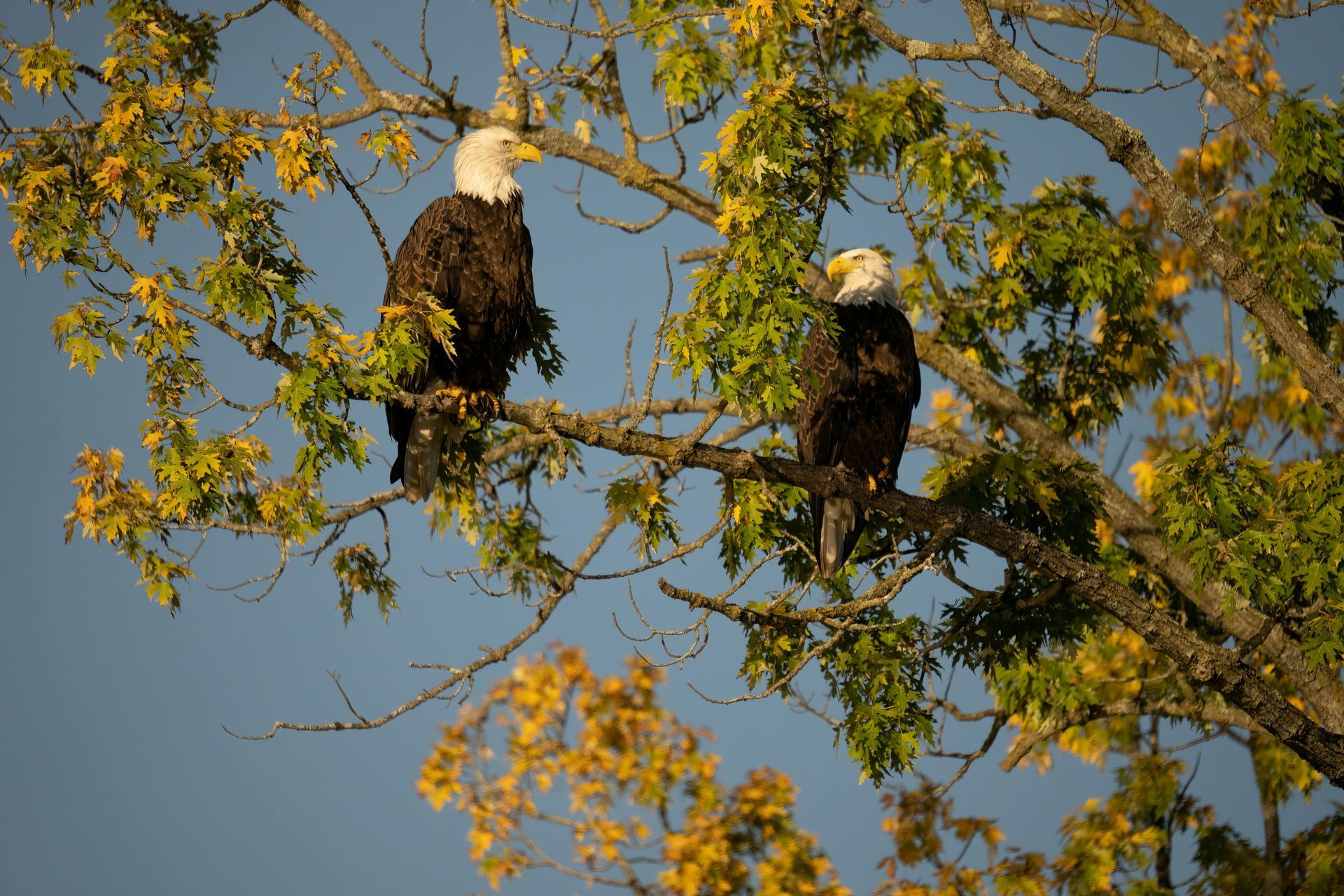
Depending on conditions, visitors can ski and snowboard, go snowshoeing, visit The Village, explore winter scenery, look for bald eagles and other wildlife, enjoy seasonal events, or spend a day in one of the area's commercial tubing and snow-play areas.
Start with our Winter in Big Bear Lake guide for an overview of winter activities, planning information and seasonal guides.
Local tips, seasonal guides, trip ideas, and more—delivered to your inbox.
Newsletter Side Bar
We will get back to you as soon as possible.
Please try again later.
Get the Big Bear Guide
Featured Guides
Best spots & seasonal tips
Scenic drive route & tips
Easy walk with big views
Big Bear's Downtown
Local Favorites
Continue Exploring Big Bear
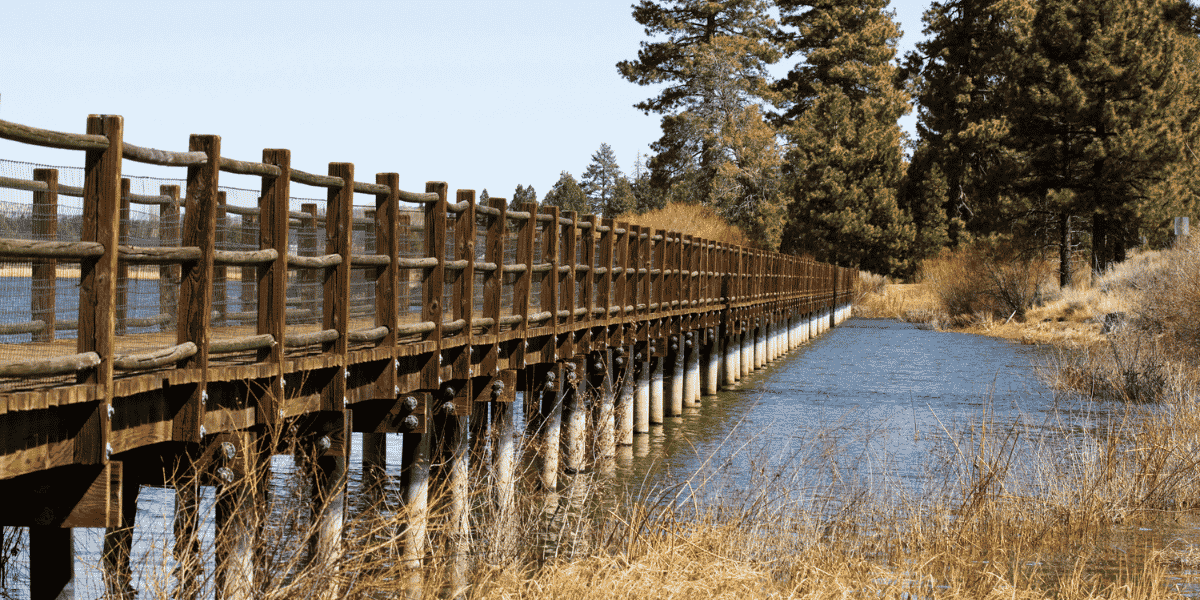
Boardwalk over the Stanfield Marsh & Wildlife Preserve.