Are there Bears in Big Bear?
The Village is the center of shopping, dining, and nightlife in Big Bear Lake. Whether you're looking for breakfast before a hike, dinner after a day on the lake, or simply somewhere to walk around, chances are you'll end up spending time here.
What to Know About Black Bears in Big Bear Lake
Yes—black bears are a real and active part of life in Big Bear Lake. While most visitors never see one in person, sightings do happen in forests, neighborhoods, and occasionally in places people don’t expect. This guide covers where bears live, what your chances of seeing one actually are, and how to safely enjoy bear country.
Will I See A Bear in Big Bear?
Probably not.
That surprises a lot of visitors because Big Bear has a strong “bear town” reputation—but most people spend an entire trip here and never see one.
Black bears naturally avoid people and most activity happens outside the busiest visitor hours.
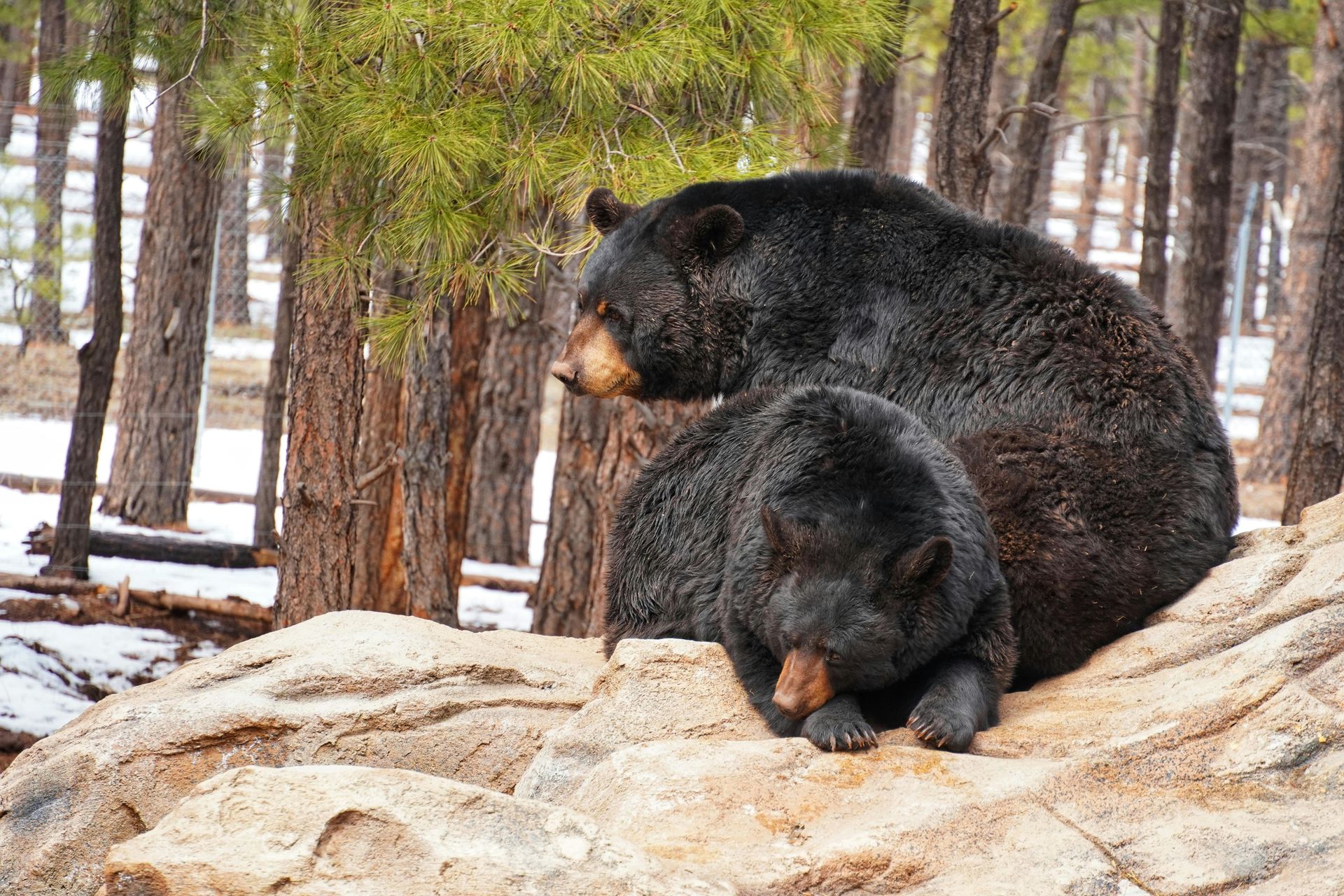
Big Bear is home to the American black bear, which is the only bear species living in the Big Bear Lake region and the surrounding San Bernardino National Forest. Despite the name, black bears are not always black—they can also appear brown or cinnamon-colored, which sometimes leads visitors to think they’ve spotted a grizzly.
Bears are a permanent and active part of the local ecosystem, and while they naturally prefer to avoid people, sightings in both the forest and residential neighborhoods have become more common over time. Visitors are often surprised to learn that bears aren’t limited to remote wilderness areas—home security cameras regularly capture them wandering through neighborhoods, especially during quieter evening and nighttime hours.
That said, most people visiting Big Bear still won’t see a bear in person.
You’re actually more likely to notice signs that bears have been nearby—tracks in dirt or snow, claw marks on trees, overturned areas, or stories shared by locals—than to have a direct sighting.
Bear Quick Facts
Species
American Black Bear
Common Sightings
Neighborhood Camers
Most Active
Dusk → Dawn
Risk Level
Typically Avoid People
How Many Bears Are in Big Bear?
That’s one of the most common questions visitors ask—but there isn’t an exact number.
Black bears move across large areas and aren’t counted the same way people count animals in a fenced habitat, so there is no official estimate specifically for Big Bear Lake.
What we do know is that the California Department of Fish and Wildlife estimates roughly 25,000 black bears statewide, and the San Bernardino Mountains support a healthy and established population within that larger range.
In Big Bear itself, bear activity is generally highest in the more heavily forested areas surrounding town, but bears regularly move between forest habitat, neighborhoods, and recreation areas.
That can make bears feel more common than they actually are.
One important thing to remember is that seeing more reports doesn’t necessarily mean there are suddenly more bears—it often means there are more people, more home cameras, and more opportunities for encounters to be noticed and shared.
Local Take
Many first-time visitors imagine bears deep in the forest, but locals know it’s often the opposite—some of the most common sightings happen near neighborhoods, cabins, and places where people accidentally leave food or trash available.
How Big Bear Got Its Name
Despite the name, the bears that originally gave Big Bear its identity no longer live here.
Long before the area became known as Big Bear Lake, the Serrano people called the valley Yuhaviat, meaning Pine Place. Later, settlers renamed the region because of the abundance of grizzly bears that once lived in the mountains.
By the early 1900s, California grizzlies disappeared due to hunting and habitat loss.
Where Are Bears Typically Seen
Many local sightings happen at night and are caught on home security cameras in neighborhoods like Fawnskin, Upper Moonridge, Fox Farm, and other areas that back up to forest habitat. Bears quietly move through neighborhoods looking for food sources and often disappear before most people even realize they were there.
Occasionally, sightings happen in more unexpected places.
Over the years, bears have occasionally been spotted near ski resort areas—including a few well-known sightings of bears wandering around equipment and quieter resort sections.
Very occasionally, visitors report seeing bears near the Village or busier parts of town—but daytime sightings in high-traffic areas remain uncommon.
Trail encounters are also rarer than many people think.
While some trails and forest areas are known for more wildlife activity than others, most hikers never see a bear. Bears usually hear or smell people long before people realize they’re nearby and move away.
You’re generally more likely to notice signs that bears were there than the bear itself.
Bear Country Tips
Don’t Leave Food or Trash Outside Your Cabin
Big Bear takes wildlife and trash seriously for a reason. Never leave garbage bags, pet food, coolers, or snacks outside overnight—even on a deck or inside an open garage. Bears have an incredible sense of smell and are surprisingly good at opening containers.
Make Noise While Hiking
You don’t need to hike loudly, but normal conversation, footsteps, and making your presence known helps avoid surprising wildlife. Most bears prefer to leave before you ever see them.
Keep Pets Leashed (Even in Neighborhoods)
Loose dogs can trigger defensive behavior or chase wildlife and return to you. Even fenced yards aren’t guaranteed protection—black bears climb extremely well.
Want a Guaranteed Bear Sighting?
If seeing a bear is high on your Big Bear bucket list, your best chance isn’t the forest—it’s the zoo.
Big Bear Alpine Zoo is home to rescued wildlife that cannot safely return to the wild, including black bears and grizzly bears.
For visitors, it’s one of the few places where you can observe bear behavior up close without disturbing wildlife or relying on luck.
Featured Guides
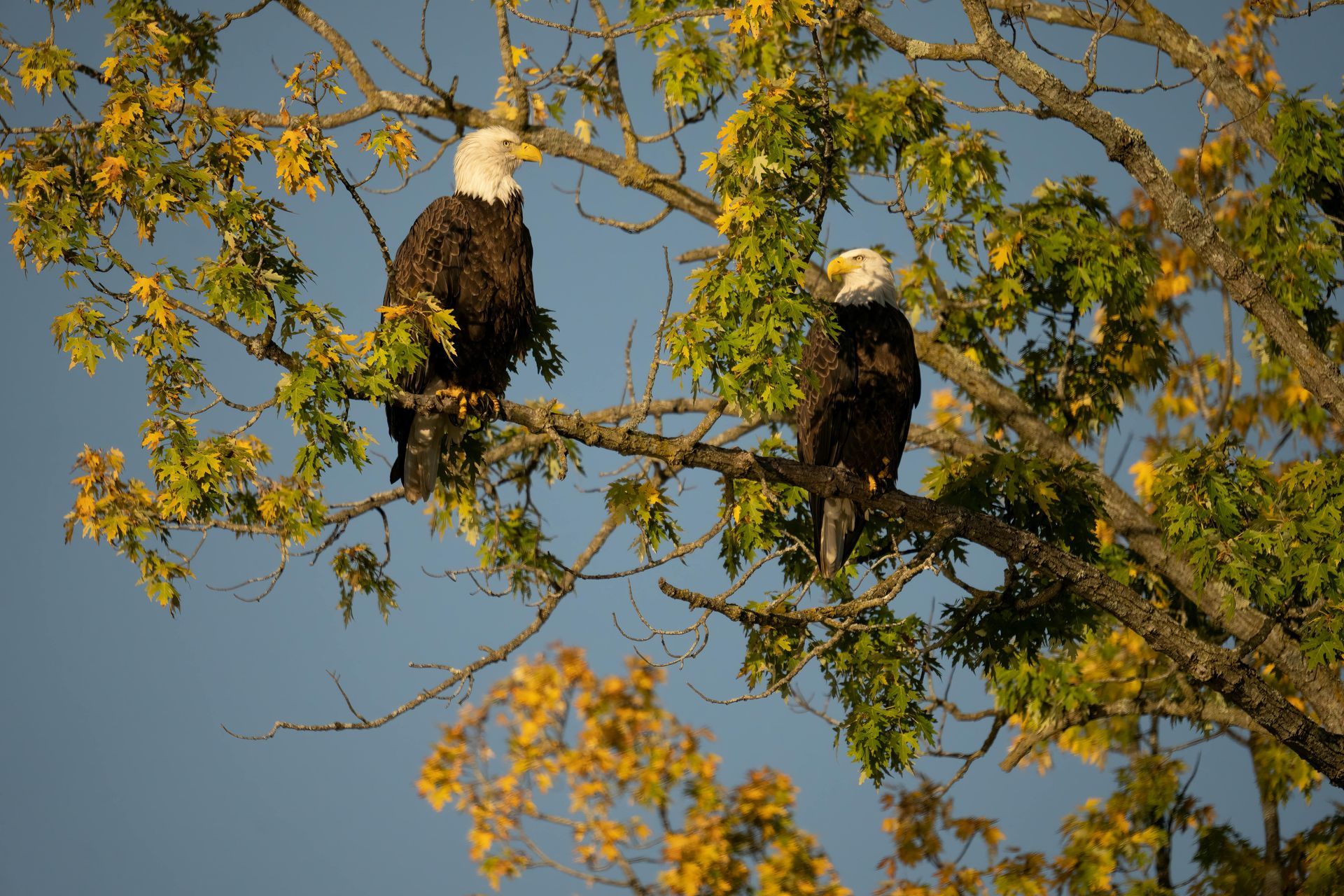
Best spots & seasonal tips
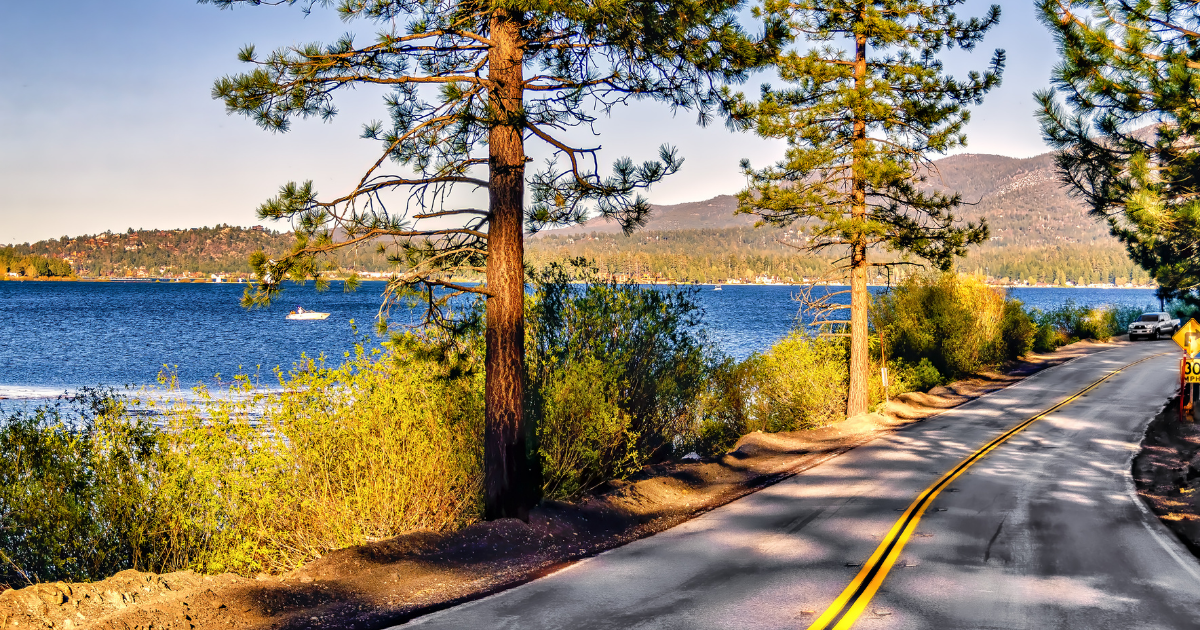
Scenic drive route & tips
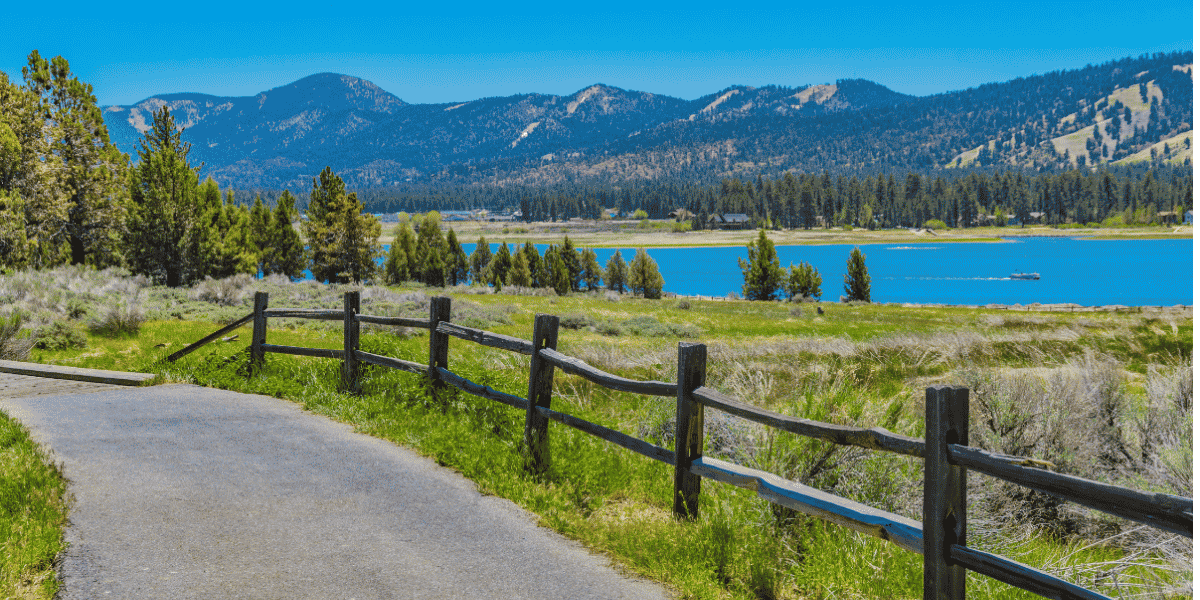
Easy walk with big views
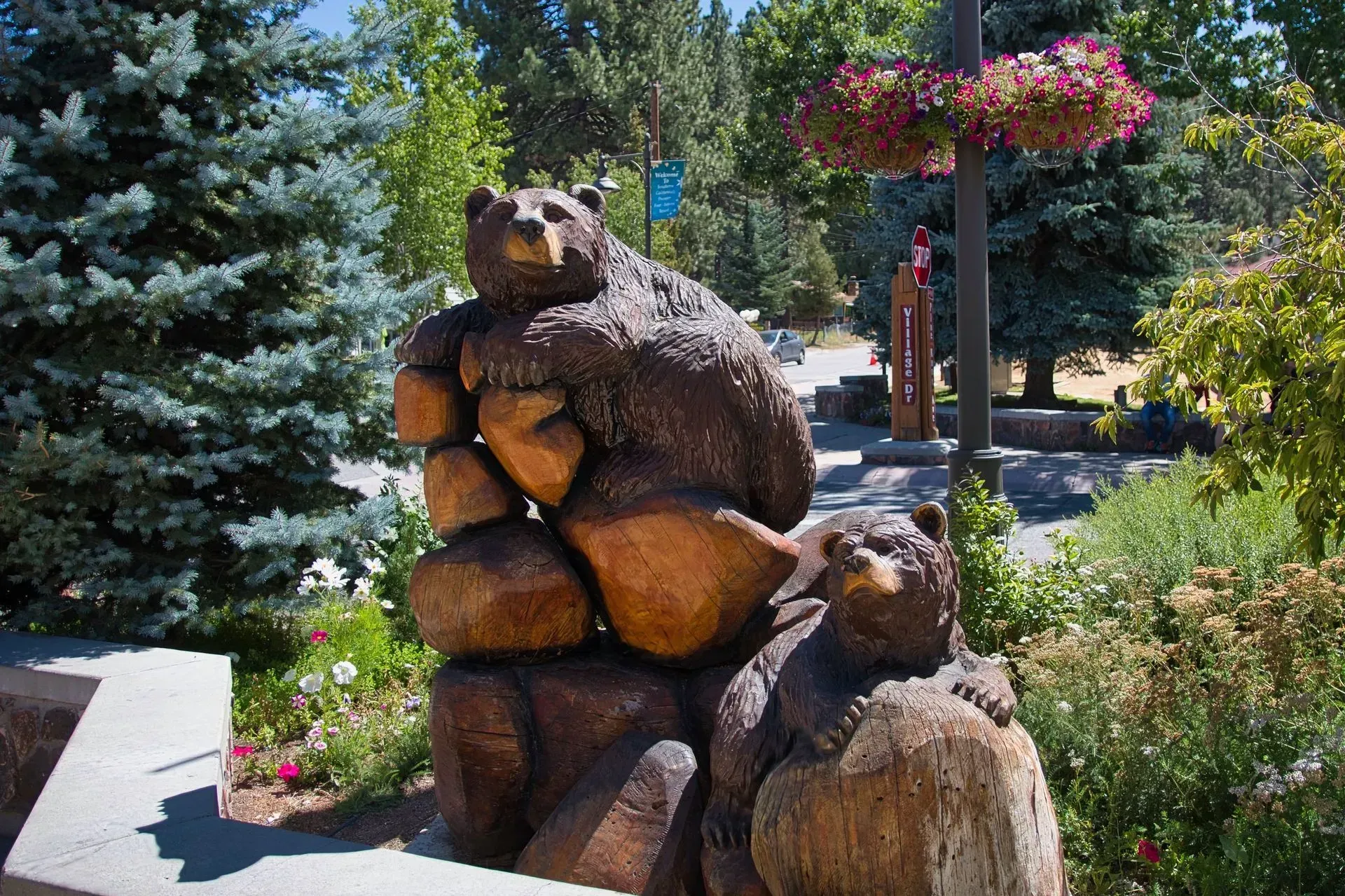
Big Bear's Downtown
Explore More Wildlife in Big Bear
Discover More of Big Bear Lake
There's so much to see and do in every season. Explore hiking trails, wildlife, attractions, and more.