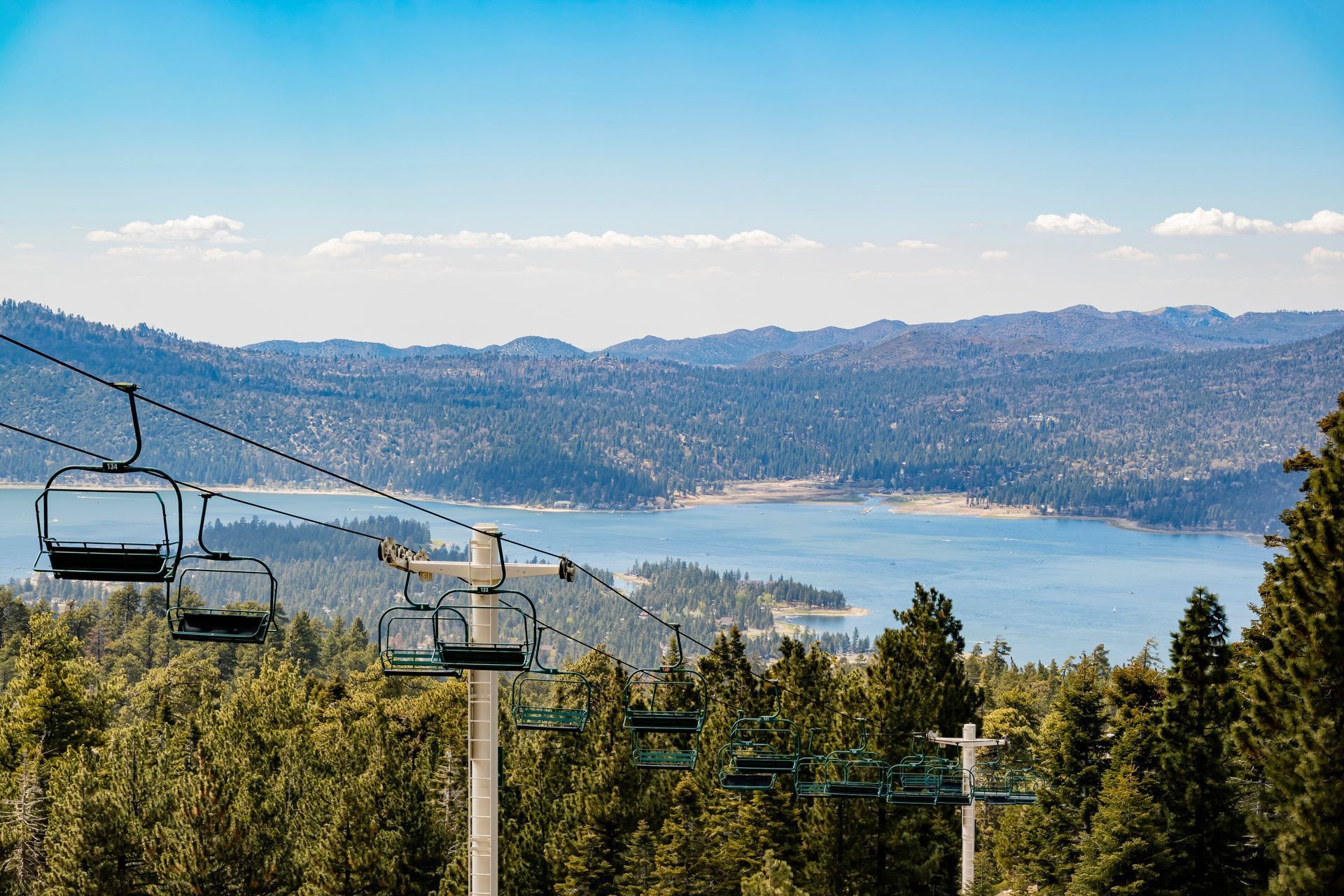
Bear Mountain is one of Big Bear's two major ski and snowboard mountains, and although it's often associated with snowboarding and terrain parks, there's more to the mountain than jumps and rails. You'll find beginner learning terrain, intermediate runs, advanced terrain and some of Southern California's best-known freestyle features all on the same mountain.
If you're deciding between Bear Mountain and Snow Summit, visiting for the first time or trying to figure out the logistics before a ski day, here's what to know before you go.
What Is Bear Mountain Like?
Bear Mountain sits in the Moonridge area of Big Bear Lake and has a noticeably different personality from Snow Summit.
The mountain is particularly well known for freestyle skiing and snowboarding. Terrain parks are a major part of the experience, and Bear is home to Southern California's only halfpipes. That reputation attracts plenty of experienced riders, but don't assume Bear Mountain is only for advanced snowboarders.
There is also a substantial learning area and terrain for skiers and snowboarders who aren't interested in the park.
Bear Mountain's winter terrain reaches from roughly 7,140 feet at the base to 8,805 feet at the summit, with 1,665 feet of vertical. The resort currently lists 26 runs, with terrain divided among beginner/low-intermediate, intermediate and advanced/expert areas.
At a Glance
Best known for:
Terrain parks and freestyle skiing and snowboarding
Also good for:
Beginners, intermediate riders and lessons
Location:
Moonridge area of Big Bear Lake
Base elevation:
7,140 feet
Peak elevation:
8,805 feet
Vertical:
1,665 feet
Runs:
26
Longest run:
Geronimo, approximately 1.5 miles
Is Bear Mountain Good for Beginners?
Yes—and this surprises some first-time visitors who associate Bear Mountain entirely with terrain parks.
Bear Mountain has a large learning area designed to help new skiers and snowboarders progress before moving onto more difficult terrain. Group and private ski and snowboard lessons are available through Big Bear Mountain Resort.
For someone who has never skied or snowboarded, taking a lesson is worth considering rather than trying to learn from a friend on a regular run. Learning how to stop, turn, use a lift and control your speed makes the rest of the day considerably more enjoyable.
The mountain can still feel intimidating on a busy winter weekend, particularly if you're completely new to skiing or snowboarding. Give yourself plenty of time before a lesson. Getting parked, taking a shuttle if necessary, picking up rentals and walking around in ski or snowboard boots all take longer than first-time visitors expect.
Skiing vs. Snowboarding at Bear Mountain
Bear Mountain welcomes both skiers and snowboarders, but its reputation in Southern California snowboarding is hard to ignore.
The mountain's terrain parks contain features designed for different ability levels, allowing riders to progress rather than jumping directly into advanced park features. Bear is also home to Southern California's only halfpipes.
But you absolutely do not need to ride the terrain park to enjoy Bear Mountain.
There are conventional trails across the mountain for skiing and snowboarding, including beginner and intermediate terrain as well as more challenging runs.
If freestyle riding is one of the main reasons for your trip, Bear Mountain will probably be the first of Big Bear's two mountains you'll want to investigate.
If your priority is simply a traditional day of cruising groomed runs, Snow Summit is also worth considering.
Bear Mountain vs. Snow Summit
This is probably the most common question for someone planning their first Big Bear ski trip.
Both mountains offer skiing, snowboarding, lessons and a range of terrain. The difference is more about what kind of day you're looking for.
Choose Bear Mountain if: terrain parks and freestyle riding are a major priority, you're interested in progressing through park features, or you simply prefer Bear's atmosphere and terrain.
Consider Snow Summit if: you're looking primarily for a traditional ski-mountain experience with a broad selection of groomed runs.
Beginners shouldn't automatically choose one mountain based only on reputation. Both have learning opportunities, and conditions, crowds and the terrain operating that day can matter as much as the mountain you choose.
Read our Snow Summit Big Bear Guide for a closer look at the other mountain.
Lessons at Bear Mountain
Bear Mountain offers both group and private ski and snowboard lessons.
Group lessons are available for ages 5 and older, while private lessons are available beginning at age 4, subject to the resort's requirements.
If you book a lesson, don't plan to pull into Big Bear 20 minutes before it starts.
Big Bear Mountain Resort currently recommends arriving at Bear Mountain or Snow Summit at least 90 minutes before a scheduled lesson to handle check-in, tickets, equipment and getting to the meeting area—and that recommendation does not include additional time needed for parking or a shuttle.
On a busy weekend or holiday, build in even more time.
Rentals at Bear Mountain
You don't need to own skis or a snowboard to spend a day at Bear Mountain.
Ski and snowboard equipment can be rented through Big Bear Mountain Resort, and there are also independent rental shops around Big Bear Lake.
For first-time visitors, convenience can matter more than saving a few dollars. Renting at the mountain simplifies some logistics, while renting elsewhere may let you pick up equipment before your ski day and avoid part of the morning rental process.
If you're visiting during a holiday or busy winter weekend, reserve equipment ahead when possible rather than assuming every size will be waiting when you arrive.
Food, Drinks & the Bear Mountain Base Area
You don't necessarily need to leave Bear Mountain when you're ready for lunch or a break. Food and drinks are available around the base area, making it easy to warm up, grab something to eat and get back onto the mountain without turning lunch into a trip across town.
The base area can also become part of the experience itself. Throughout the season, Bear Mountain hosts events that can include live music, DJs, competitions and other activities. On the right weekend, the atmosphere at the bottom of the mountain can feel considerably livelier than a typical ski-area lunch stop.
If that matters to your trip, check Big Bear Mountain Resort's current event calendar before you arrive. Entertainment and special events vary throughout the season rather than happening every day.
There are also on-mountain food and beverage locations, so experienced skiers and snowboarders don't always need to return all the way to the main base just because they're ready for a break. Which locations are operating can depend on the day and mountain conditions.
Local tip: If you're skiing on a busy Saturday or holiday, consider eating a little earlier or later than the traditional noon lunch rush. You'll spend less of your ski day standing in line and may find the base area easier to navigate.
Parking at Bear Mountain
Parking is one of the most important things to understand before a winter visit.
Bear Mountain has base-area parking, but you should not assume you'll simply drive up and find a space next to the lifts.
During winter, Big Bear Mountain Resort operates both base-area and offsite parking. Base-area parking is first-come, first-served, and paid parking is used on select dates. Offsite lots may operate based on visitor volume, with complimentary shuttles taking guests to and from the mountain.
That makes your arrival time important.
On busy weekends, holidays and fresh-snow days, arriving early can make the entire morning easier. If you're taking a lesson, don't treat the lesson start time as your arrival time.
Another option is leaving your vehicle at your lodging when appropriate and using local transit to reach the resort.
Local tip: Before leaving your cabin or hotel, check the resort's current parking information. Parking procedures and available lots can change with demand.
Don't Confuse Resort Snow With Snow Around Town
This is one of the most useful things for first-time Big Bear visitors to understand.
Bear Mountain has extensive snowmaking.
That means you can arrive in Big Bear and see dry streets or patches of bare ground around town while still finding skiable snow at the resort.
The opposite can happen after a major storm. Town may be covered in snow while mountain operations are still being affected by weather, wind, road conditions or other operational factors.
If you're coming specifically to ski or snowboard, don't judge conditions from a weather app or a photo of Big Bear Lake.
Check Bear Mountain's actual mountain report, open lifts and open terrain before you go.
When Is the Best Time to Visit Bear Mountain?
There isn't one perfect week every winter.
Natural snowfall varies considerably from season to season, while snowmaking allows the resorts to maintain terrain when temperatures and conditions cooperate.
If your schedule is flexible, weekdays generally avoid some of the congestion associated with winter weekends and holidays.
Fresh snow can produce some of the most exciting days of the season—but it can also mean chain controls, difficult roads, heavy traffic and increased demand.
For many visitors, a clear weekday after a storm can be considerably easier than trying to reach the mountain while snow is actively falling.
What Should You Wear?
Big Bear's elevation makes mountain weather different from what many Southern California visitors leave behind.
Dress in layers rather than relying on one extremely heavy jacket. A moisture-wicking base layer, insulating layer and water-resistant outer layer make it easier to adjust as temperatures change.
You'll also want gloves, proper ski or snowboard socks, eye protection and sunscreen.
Don't underestimate the sun.
At more than 7,000 feet—and even higher as you move up Bear Mountain—sun exposure is stronger, and snow reflects additional sunlight. Sunscreen and goggles or sunglasses are useful even when the air temperature is cold.
Also drink water. Skiing and snowboarding are physical activities at elevation, and visitors coming directly from lower elevations may notice the altitude more than locals do.
Read our Big Bear Lake Altitude Guide before your trip if you're unfamiliar with spending an active day above 7,000 feet.
Getting to Bear Mountain in Winter
Bear Mountain is located in Big Bear Lake, but reaching Big Bear during winter can be a much bigger part of the trip than visitors expect.
Snowstorms can bring chain controls to the mountain highways, and traffic can become extremely heavy during holiday periods and immediately after fresh snowfall.
Check road conditions and chain restrictions before leaving home rather than waiting until you're already climbing the mountain.
Navigation apps can estimate drive time, but they don't always tell the whole story during winter weather.
If a storm is expected, bring the traction equipment appropriate for your vehicle, know how to use it and allow considerably more travel time than you would during dry conditions.
Local Insight: Don't Overplan Your Ski Day
If Bear Mountain is the main reason you're coming to Big Bear, let it be the main event.
A common mistake is trying to ski most of the day, visit several attractions, walk The Village and make an early dinner reservation all in one tightly scheduled itinerary.
Everything takes longer in winter.
Parking takes longer. Putting on equipment takes longer. Traffic moves slower. Wet boots and tired legs tend to change everyone's plans by late afternoon.
Plan your Bear Mountain day first. Then treat anything you do afterward as a bonus.
The Village can be a good option after the mountain for dinner, shopping or warming up around the outdoor fire pits, but you don't need to schedule every hour of the day.
What Else Can You Do Near Bear Mountain?
If not everyone in your group skis or snowboards, there are plenty of other ways to spend a winter day in Big Bear.
Depending on conditions and the interests of your group, you can explore snow tubing and snow play, sledding, snowshoeing, bowling, escape rooms, axe throwing, wildlife watching or simply spend some time around The Village.
Start with our Winter in Big Bear Lake Guide to see the different winter activities available during your trip.
Bear Mountain FAQ
Is Bear Mountain only for snowboarders?
No. Bear Mountain is well known for snowboarding and freestyle terrain, but both skiing and snowboarding are available. The mountain includes beginner, intermediate and advanced terrain in addition to its terrain parks.
Is Bear Mountain good for beginners?
Yes. Bear Mountain has dedicated learning terrain and offers ski and snowboard lessons. Beginners should allow plenty of time for parking, equipment pickup and lesson check-in.
Is Bear Mountain or Snow Summit better?
It depends on what you want from the day. Bear Mountain is particularly well known for terrain parks and freestyle riding, while Snow Summit is often associated with a more traditional groomed-run experience. Both offer skiing, snowboarding and beginner terrain.
Does Bear Mountain make snow?
Yes. Bear Mountain uses snowmaking, so ski conditions at the resort can be very different from natural snow conditions around Big Bear Lake.
Do you have to pay to park at Bear Mountain?
Not necessarily. Big Bear Mountain Resort uses paid base-area parking on select winter dates and also operates free offsite parking with shuttle service based on visitor volume. Parking policies can change, so check the resort's current parking information before your trip.
How early should I arrive at Bear Mountain?
For lessons, the resort currently recommends arriving at least 90 minutes before the scheduled lesson time, not including additional parking or shuttle time. Even without a lesson, arriving early is a good idea on winter weekends, holidays and fresh-snow days.
Local tips, seasonal guides, trip ideas, and more—delivered to your inbox.
Newsletter Side Bar
We will get back to you as soon as possible.
Please try again later.
Get the Big Bear Guide
Featured Guides
Best spots & seasonal tips
Scenic drive route & tips
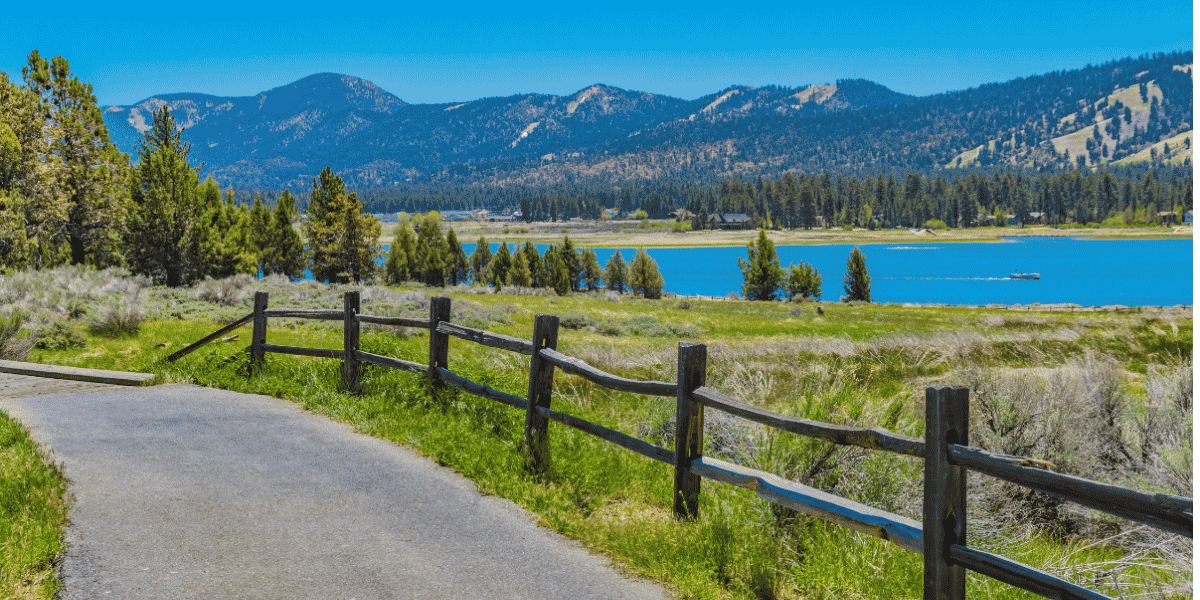
Easy walk with big views
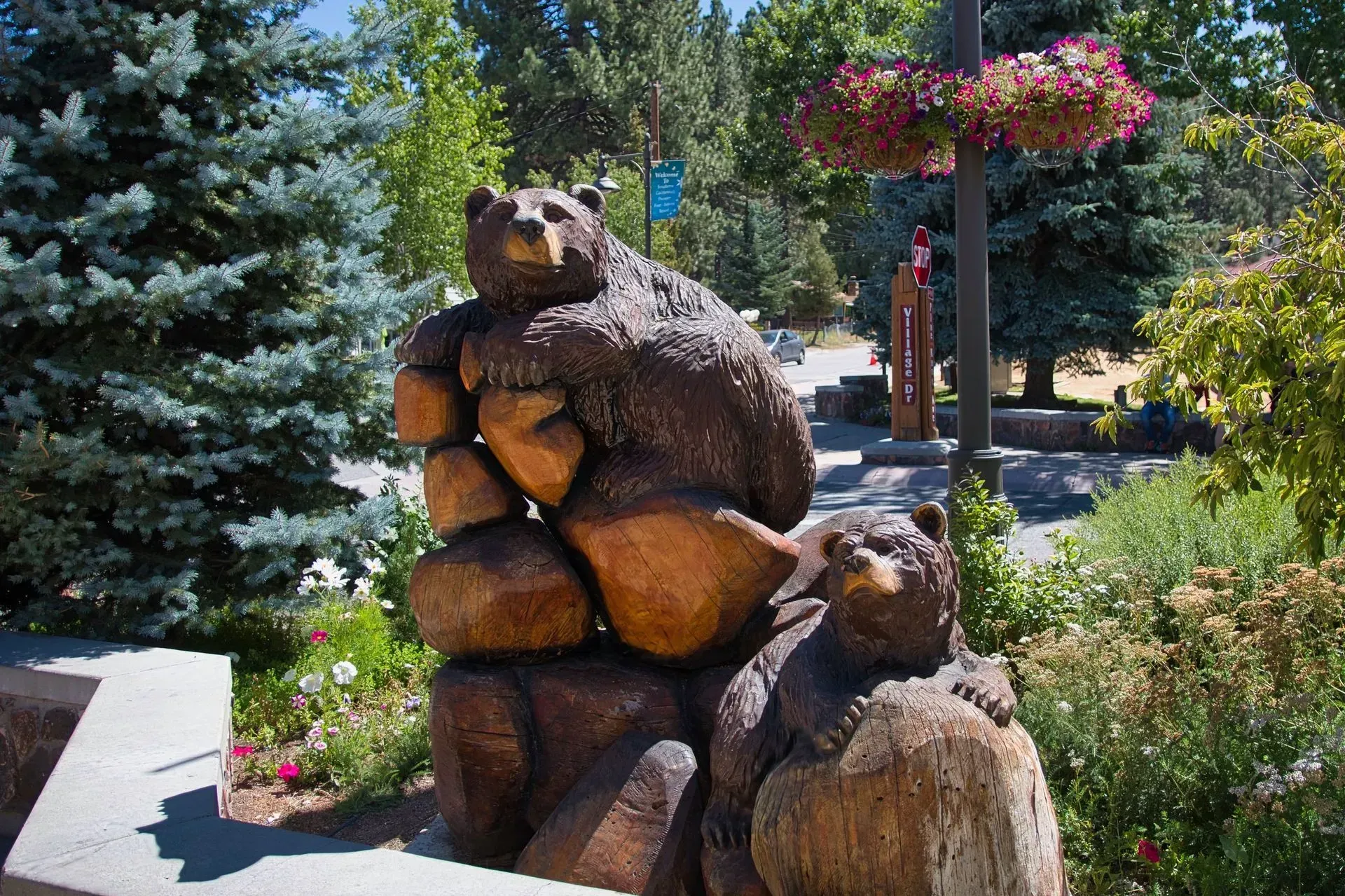
Big Bear's Downtown
Local Favorites
Continue Exploring Big Bear
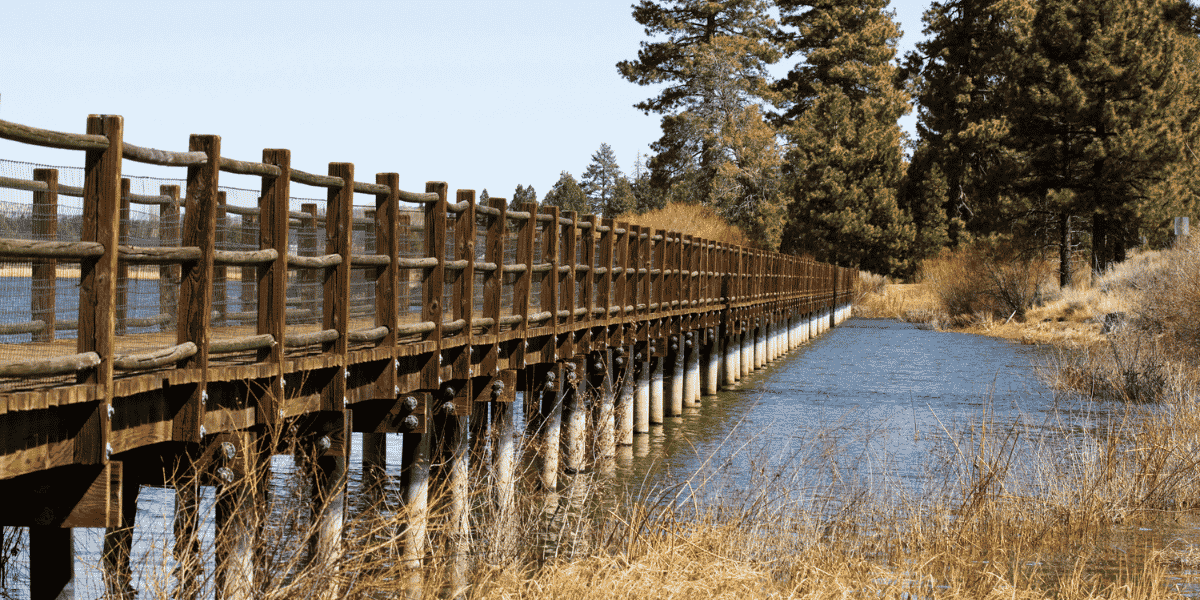
Boardwalk over the Stanfield Marsh & Wildlife Preserve.