
Activity Guide
Skiing
Winter
Overview
What to Expect
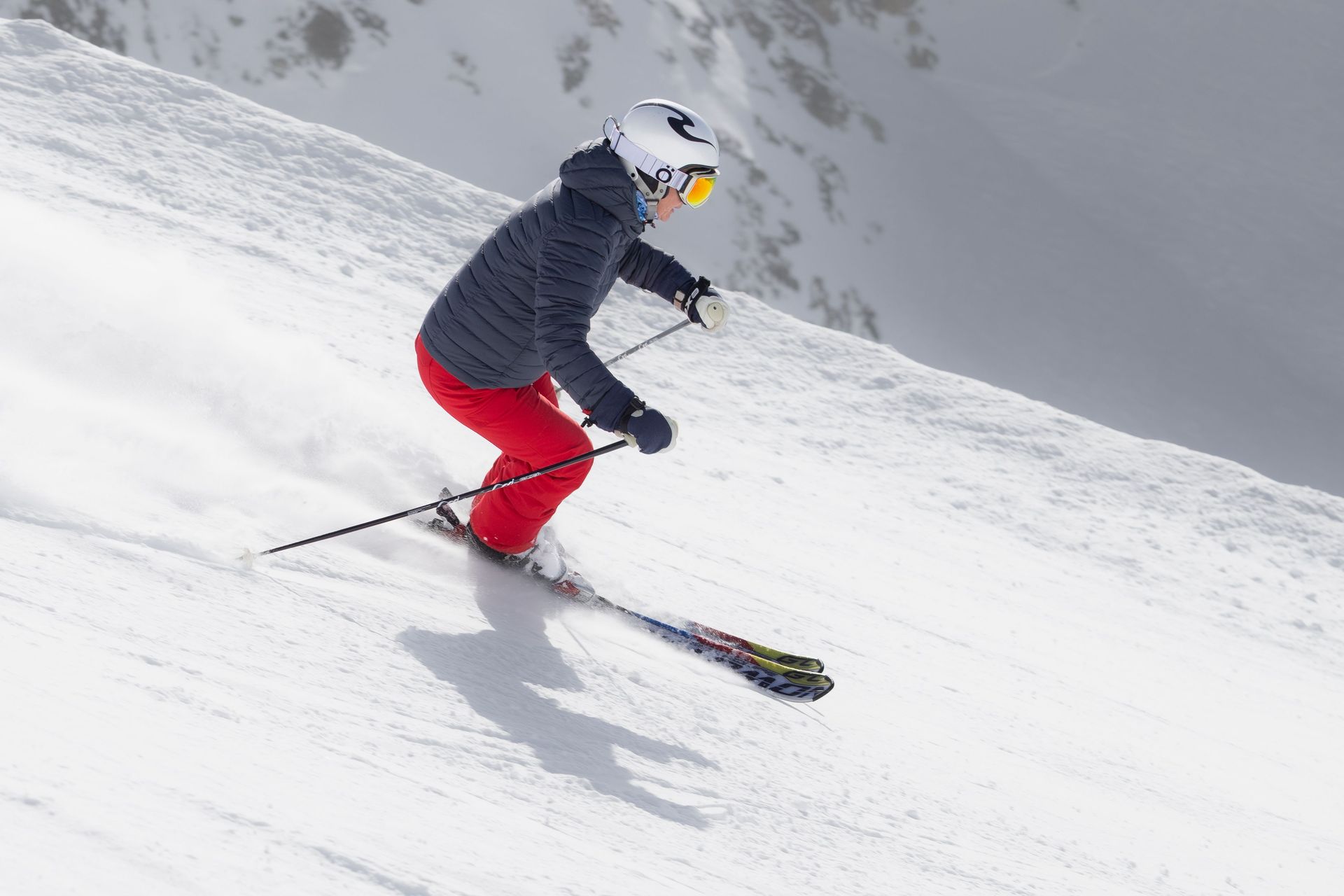
If you have never skied Big Bear, the first thing to understand is that “skiing Big Bear” is not one mountain. Snow Summit and Bear Mountain sit on different sides of Big Bear Lake and are both part of Big Bear Mountain Resort. Snow Summit is the mountain many first-time visitors picture when planning a classic ski trip: groomed runs, beginner and progression terrain, lessons, rentals, food and a base area all in one place. Bear Mountain also has terrain for different abilities, but it has a stronger freestyle and terrain-park identity and is especially popular with snowboarders and park riders. You do not need to see deep snow piled around The Village for the resorts to be skiable. Big Bear relies heavily on snowmaking, so the slopes can have substantial coverage while roads, cabin yards and lower parts of town are dry. The opposite is also important: a storm can cover town in snow without every resort trail immediately opening. Always plan from the resort's current lift-and-trail report, not photos from town. For a first ski trip, think of the day as several separate pieces—getting to Big Bear, parking, getting equipment, picking up lift access, dressing, reaching the snow and then actually skiing. Those logistics are why arriving in town at 9:00 a.m. is very different from being ready to ski at 9:00 a.m.
Highlights
What Makes It Special
Best Season
The Best Time to Go
Big Bear's ski season is condition-dependent, generally beginning in late fall or early winter and continuing into spring when weather and snowmaking allow. Do not choose a trip solely because the calendar says January or February. Check the actual open-terrain report. For the easiest first visit, a non-holiday weekday is dramatically simpler than a Saturday after fresh snow: less traffic coming up the mountain, easier parking, shorter rental and food lines, and more room on beginner terrain. If you are coming on a weekend or holiday, arrive early enough that parking and equipment do not consume the first part of your ski day. After a storm, expect the mountain to be popular and expect the drive to be part of the trip. Fresh snow can improve conditions while simultaneously creating chain controls, accidents, slower travel and parking pressure. Spring skiing can be excellent when coverage remains strong: mornings may start firm, snow can soften as the sun hits it, and the afternoon can feel surprisingly warm at the base even though you are skiing.
Planning
Plan Your Visit
Local Tip
For a first Big Bear ski trip, the biggest mistake is trying to do too much before you ever get on the snow. Driving up that morning, finding parking, shuttling, renting equipment, buying or printing tickets and getting children dressed can turn a planned 9:00 a.m. ski day into an 11:00 a.m. first run. If you can, arrive in Big Bear the night before, buy lift access in advance and get rental equipment the evening before or reserve it ahead. Then check the morning mountain report before deciding exactly where to ski. Also, do not chase fresh snow just because social media shows a storm. If you are a beginner, a clear weekday with groomed snow, easy roads and fewer people can be a far better first ski experience than the morning after a major storm.
Parking and Access
Getting There
Where to park and what to expect.
How to reach the starting point and any access tips.
Continue Exploring
Discover More of Big Bear Lake
There is so much to see and do in every season.
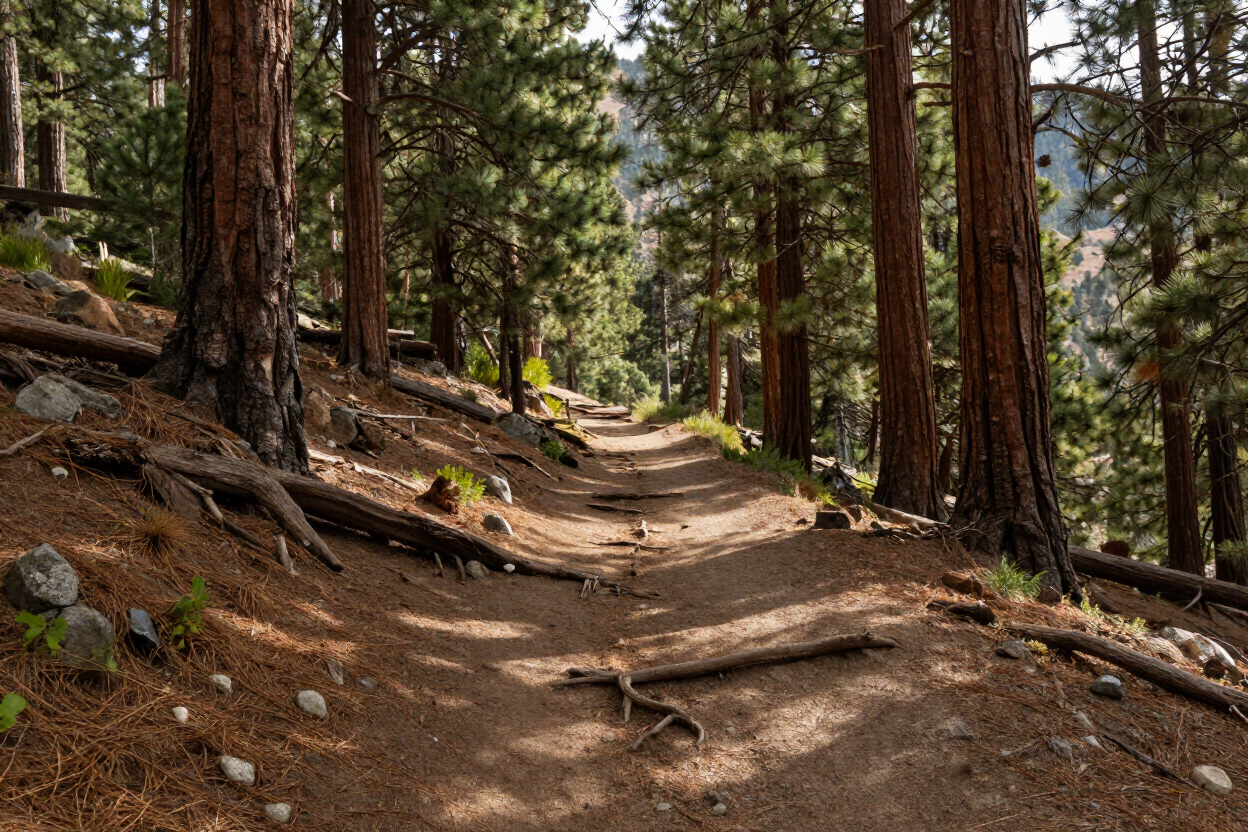
Hiking Trails
Explore Big Bear's best trails.
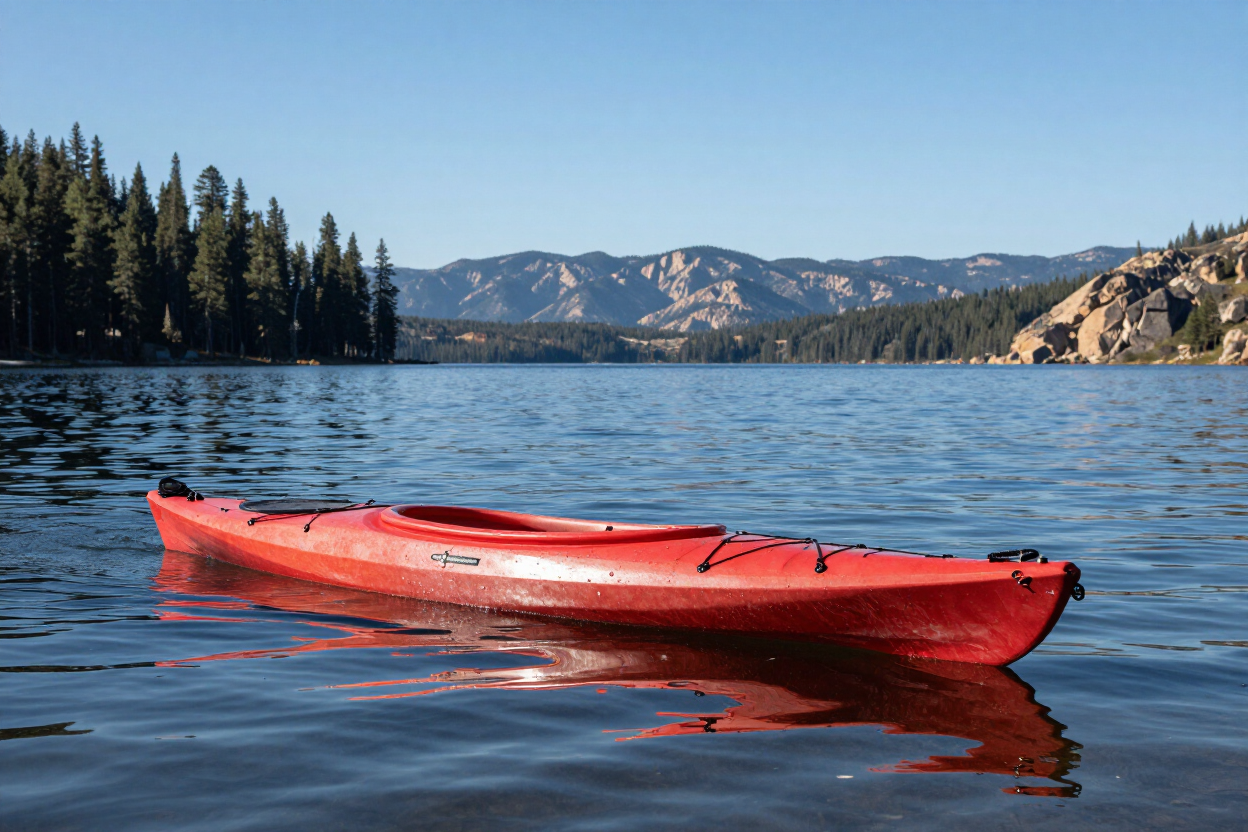
Activities
Year-round outdoor adventures.
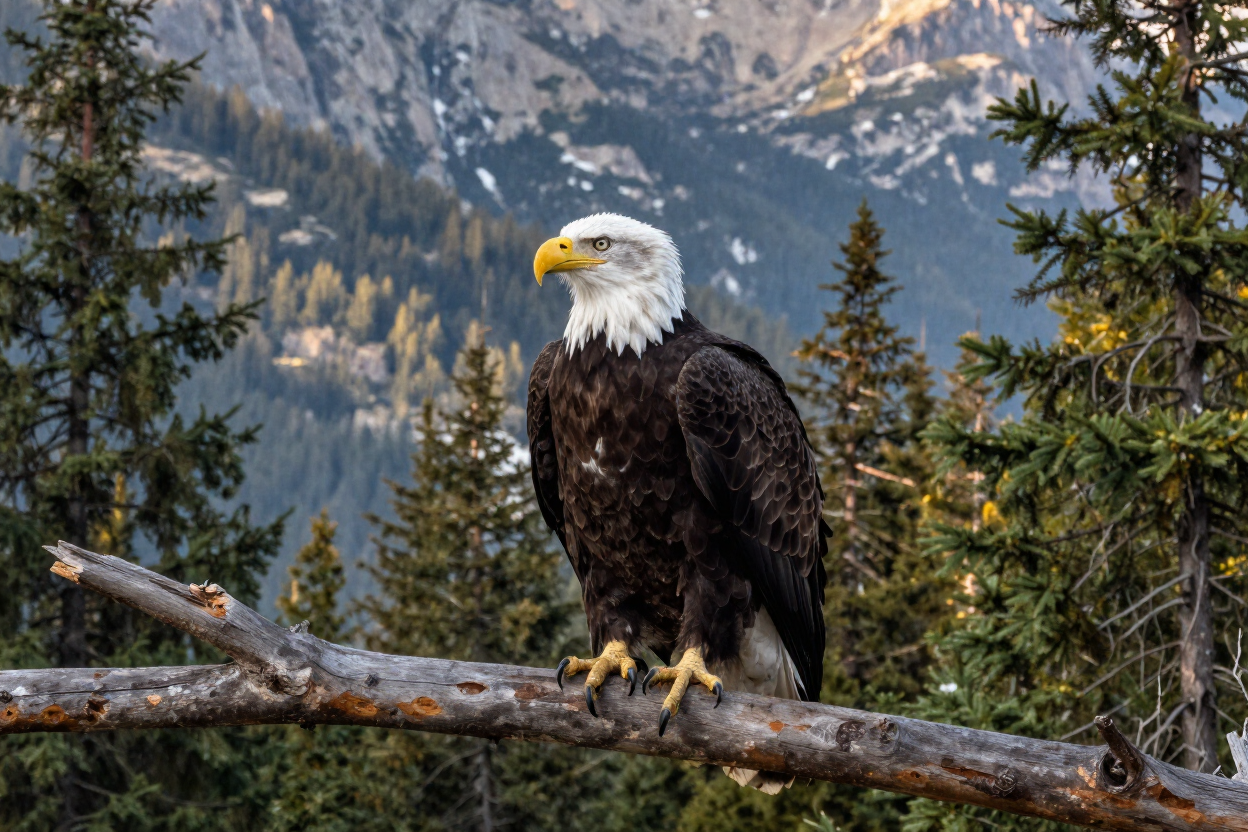
Wildlife
Discover Big Bear's native wildlife.
Attractions
Visit Big Bear's top attractions.