Discover Big Bear Lake
Plan Your Trip to Big Bear Lake
Planning a trip to Big Bear Lake goes beyond choosing dates and booking a place to stay. From mountain driving conditions and seasonal weather to understanding the layout of town and how to get around once you arrive, a little preparation goes a long way. This page brings together essential visitor information to help you plan a smooth, enjoyable trip—whether you’re visiting for the first time or returning for another season in the mountains.
Visit Us
Where Is Big Bear Lake Located?
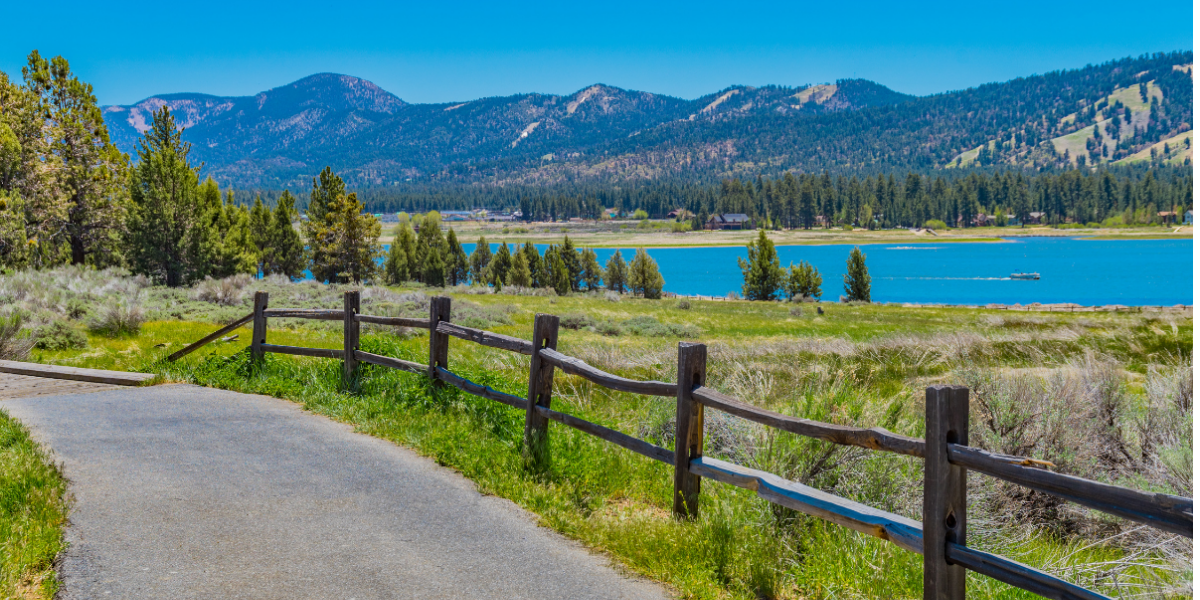
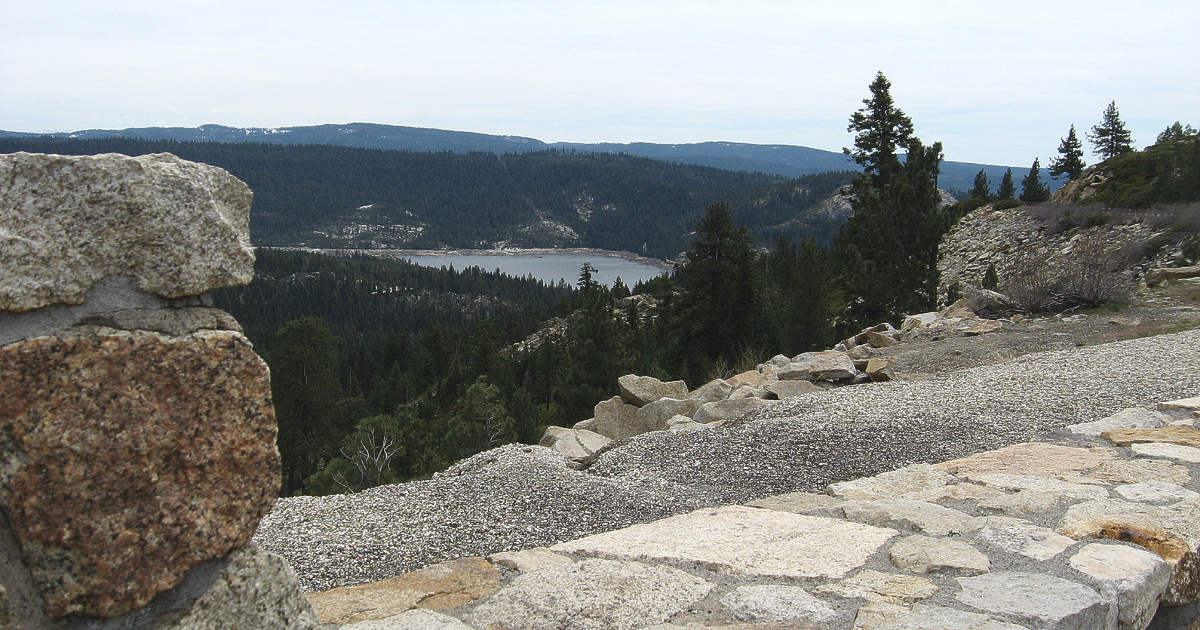
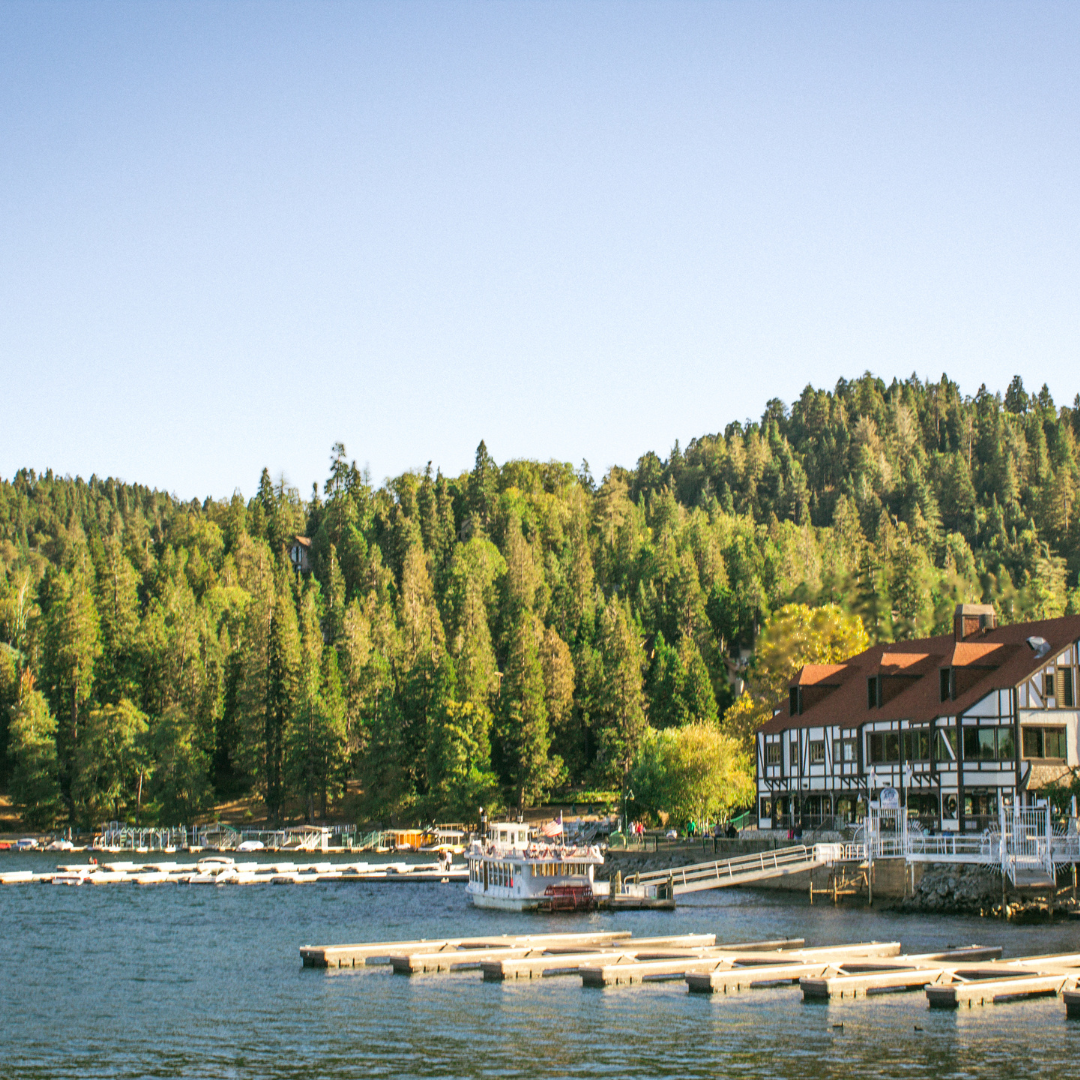
Big Bear Lake sits at an elevation of over 6,700 feet in the San Bernardino Mountains, approximately two hours from Los Angeles and surrounding Southern California communities. Its mountain setting creates cooler summer temperatures, snowy winters, and scenic views throughout the year.
Driving Safety
Driving to Big Bear Lake and Winter Road Conditions
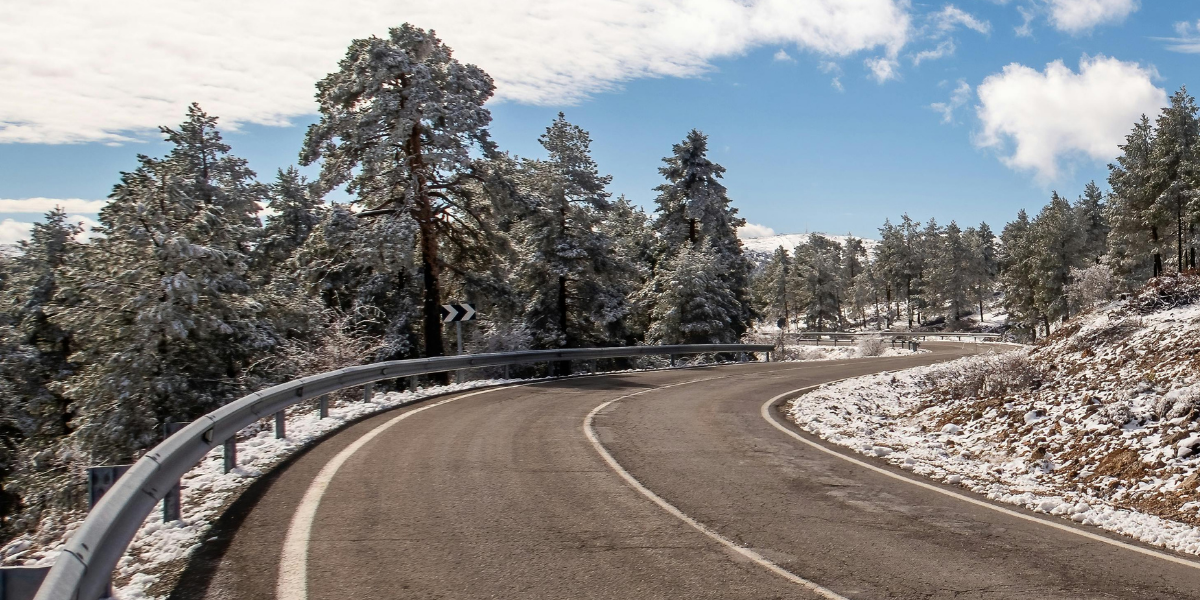
Getting to Big Bear Lake is part of the experience, but mountain driving requires some planning, especially during winter months. Roads into town can be affected by snow, ice, rock slides, accidents, and chain control requirements, sometimes with little notice.
Before you head up the mountain, it’s important to understand when chains are required, where chain checkpoints are located, and how winter storms can impact travel times.
How To Get Here
Directions and Travel Planning Tips
Whether you’re driving up from Southern California or visiting from farther away, choosing the right route and timing your arrival can make a big difference. Traffic patterns, weather conditions, and seasonal events all affect travel times into Big Bear Lake.
This section is designed to help you plan your route to Big Bear Lake, avoid common delays, and arrive prepared.
Facts & History
Big Bear Lake Facts and History
Big Bear Lake’s history dates back to the 1800s, when the area was first settled during Southern California’s gold mining era. Over time, the region evolved from a mining community into a recreational mountain retreat, with the lake and surrounding forest playing a central role in its development.
Understanding a bit about the area—from its elevation and geography to how the town developed—helps visitors better appreciate why Big Bear feels different from other destinations in the region.
Transportation
Getting Around Big Bear Lake
Once you arrive, getting around Big Bear Lake depends on the season, traffic levels, and where you’re staying. While many visitors rely on their own vehicles, the Big Bear Trolley and other transportation options can make it easier to move between the Village, ski resorts, and key attractions without worrying about parking.
While there is limited availability for uber and other rideshares, there is a new car service to consider.
Facts & History
Weather in Big Bear Lake by Month
Weather in Big Bear Lake varies significantly by season, and even by month. Snowfall, temperatures, and road conditions can change quickly depending on elevation and storms, while summer months bring warmer days and cooler nights.
Knowing what to expect weather-wise helps visitors plan activities, pack appropriately, and choose the best time of year for their trip.
Around Town
The Village and Areas of Town
Big Bear Lake is made up of several distinct areas, each offering a different experience. The Village serves as the main hub for dining, shopping, and events, while other parts of town provide quieter, more residential settings or easier access to outdoor activities.
Understanding where things are located can help you choose where to stay, where to eat, and how to get around efficiently—especially during busy weekends and holidays.
Visit Big Bear Lake
Start Plannning Your Trip
Big Bear Lake is a year-round destination, and the best trips start with good planning. From checking road conditions to understanding how the town is laid out, these guides are designed to help you feel confident before you arrive.