
About Big Bear Alpine Zoo
The Alpine Zoo is one of the most unique attractions in Big Bear Lake because it isn't a traditional zoo.
Rather than focusing on exotic animals from around the world, the zoo is dedicated almost entirely to wildlife found throughout the local mountains and Southern California. Many of the animals arrived after injuries, wildfires, vehicle strikes, or situations that left them unable to survive in the wild.
For visitors, that creates a very different experience than a typical zoo. You're not just looking at animals—you're learning about the wildlife that lives around Big Bear Lake and the work being done to protect it. It's one of the few attractions in town that combines education, conservation, and family-friendly entertainment in a way that feels genuinely connected to the area.
Local Tip
Many visitors assume summer is the best time to visit, but cooler days often provide better wildlife viewing. Bears, wolves, and mountain lions are frequently more active during cooler weather than they are on warm summer afternoons.
What to Know
It's Smaller Than Many Visitors Expect
Most visitors spend between one and two hours exploring the zoo. That's usually enough time to see every exhibit without feeling rushed, making it easy to combine with other activities during the day.
The Animals Are Often Local
If you're expecting giraffes, elephants, or exotic animals, this isn't that type of zoo. The focus is on species that actually live in the San Bernardino Mountains and throughout Southern California, which is what makes the experience unique.
Every Animal Has A Reason For Being Here
Many visitors are surprised to learn that most animals arrived through rescue and rehabilitation efforts. Some will eventually return to the wild, while others become permanent residents because they can no longer survive on their own.
Dog Friendly
Pets are not allowed inside the zoo, though service animals are permitted under zoo policies.
Getting There & Parking Tips
The zoo is located at 747 Clubview Drive in the Moonridge area, just minutes from Bear Mountain and a short drive from The Village.
A dedicated parking lot serves the facility and is generally large enough for normal visitor traffic. The busiest periods are typically holiday weekends, school breaks, and snow weekends.
Parking Tip
Parking is usually straightforward, but snow weekends and holiday periods can bring heavier crowds than normal. Earlier visits often mean easier parking and a quieter experience throughout the zoo.
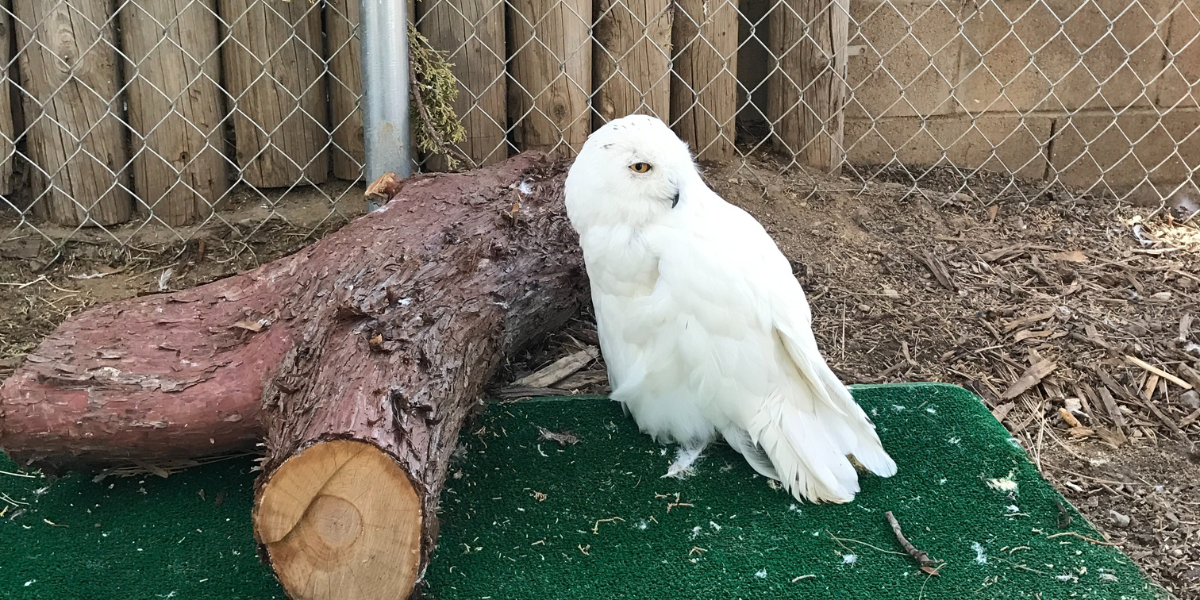
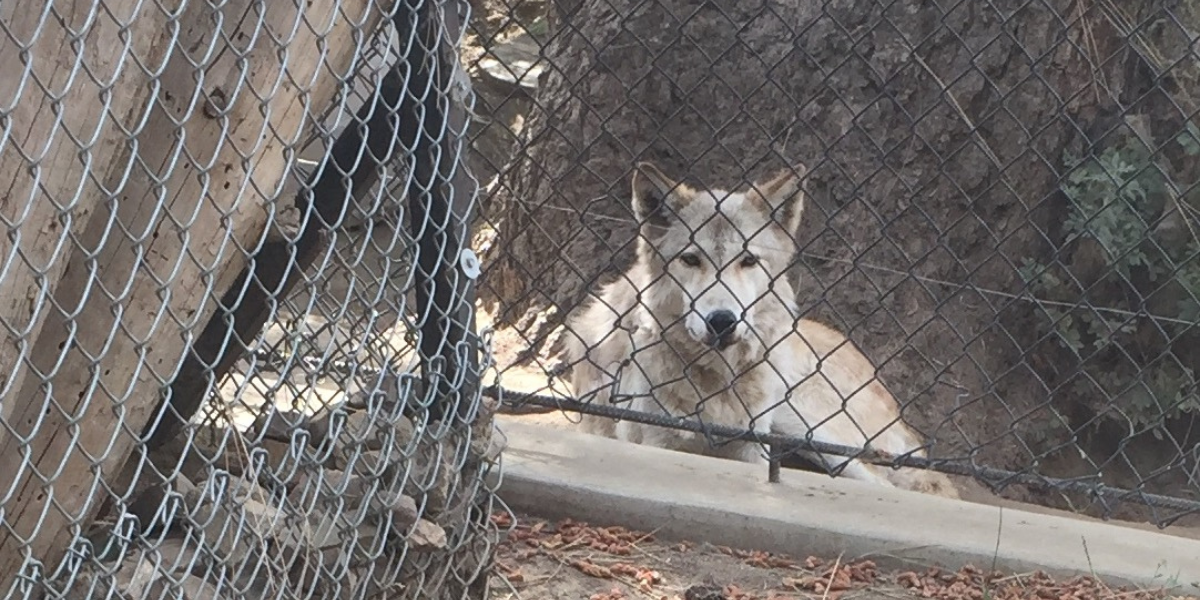
Big Bear Alpine Zoo
A wildlife rehabilitation center where rescued mountain animals help tell the story of conservation in Big Bear Lake.
At A Glance
The Big Bear Alpine Zoo is a wildlife rehabilitation facility that rescues, cares for, and when possible, releases injured or orphaned animals native to the San Bernardino Mountains. Visitors can see bears, mountain lions, eagles, wolves, foxes, and other wildlife while learning about the zoo's conservation and rehabilitation efforts.
Best Time to Visit
The best time to visit the zoo depends heavily on weather, crowd levels, and the type of animal activity you want to experience. Cooler parts of the day are often best because many animals are more active during lower temperatures.
Know Before You Go
Animals Are Often Most Active in Cooler Weather
Morning visits and colder seasons usually offer better chances to see animals moving around rather than resting in shaded areas.
Dress for Mountain Conditions
Even during summer, temperatures can feel cool in the shade and change quickly throughout the day. Winter visits often require snow gear and waterproof shoes.
Buy Tickets Online During Busy Periods
Snow weekends, holidays, and school breaks can create longer entry lines and heavier crowds, especially during the afternoon.
More Attractions
Discover More of Big Bear Lake
There's so much to see and do in every season. Explore hiking trails, wildlife, attractions, and more.