
Hiking Trails in Big Bear Lake
Hiking is one of the best ways to experience Big Bear Lake, but it can also be a little overwhelming if you don’t know where to start.
There are dozens of trails in the area, ranging from easy lakeside walks to steeper hikes with elevation gain and bigger views. Some are great for a quick stop, while others are better if you want to spend a few hours out on the trail.
If you’re trying to figure out which hikes are actually worth doing, here’s how to approach hiking in Big Bear and where to start.
Start Here: Best Easy Trails in Big Bear
If you’re new to hiking in Big Bear or just want something simple, start with one of these.
These are the easiest and most accessible trails in the area, and they still give you great views without a long hike.
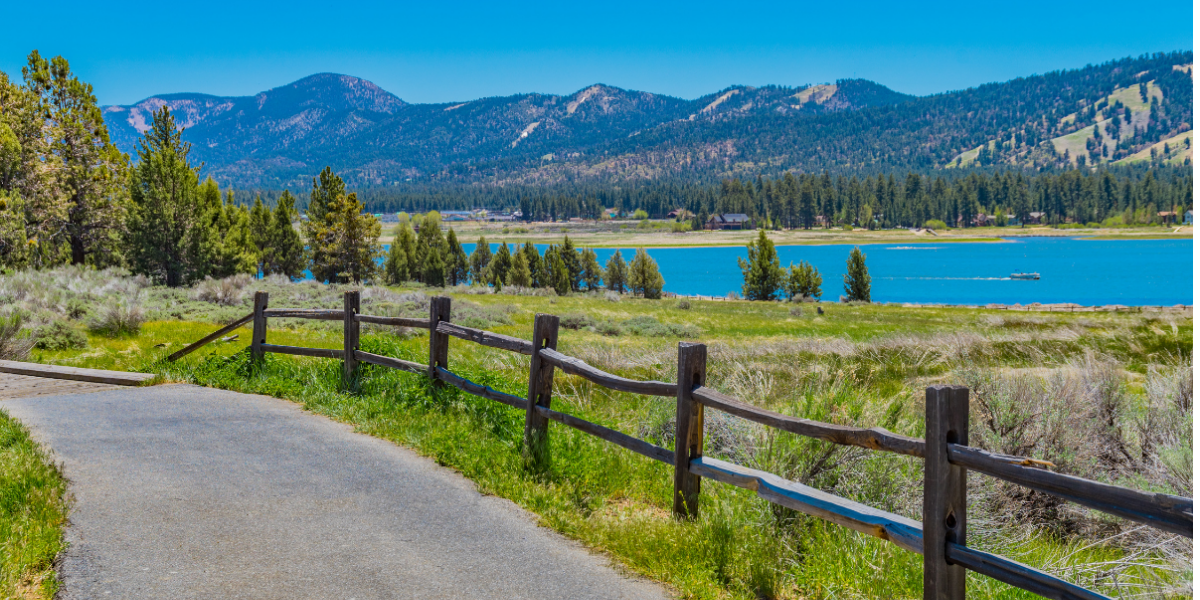
Alpine Pedal Path
One of the easiest and most popular walks in Big Bear.
It’s a paved path along the north shore of the lake with wide views and easy access. You’ll see a mix of walkers, families, and people just out for a relaxed walk.
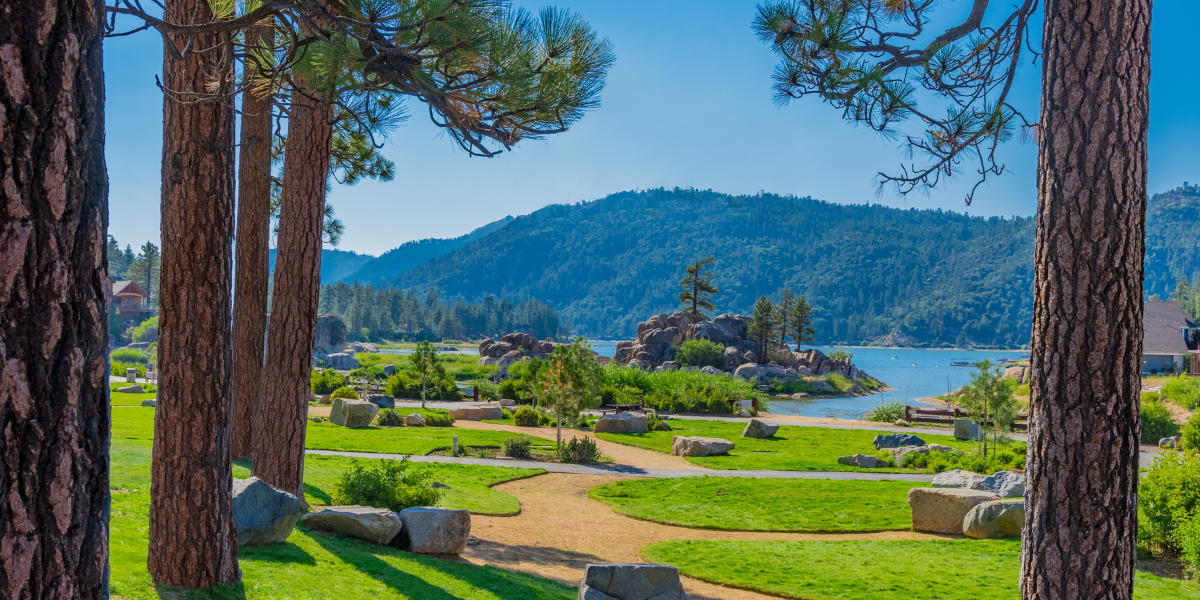
Stanfield Marsh Boardwalk
A short, flat boardwalk through a quiet marsh area.
This is one of the better spots for a slower-paced walk with open views and fewer crowds compared to the busier parts of town.
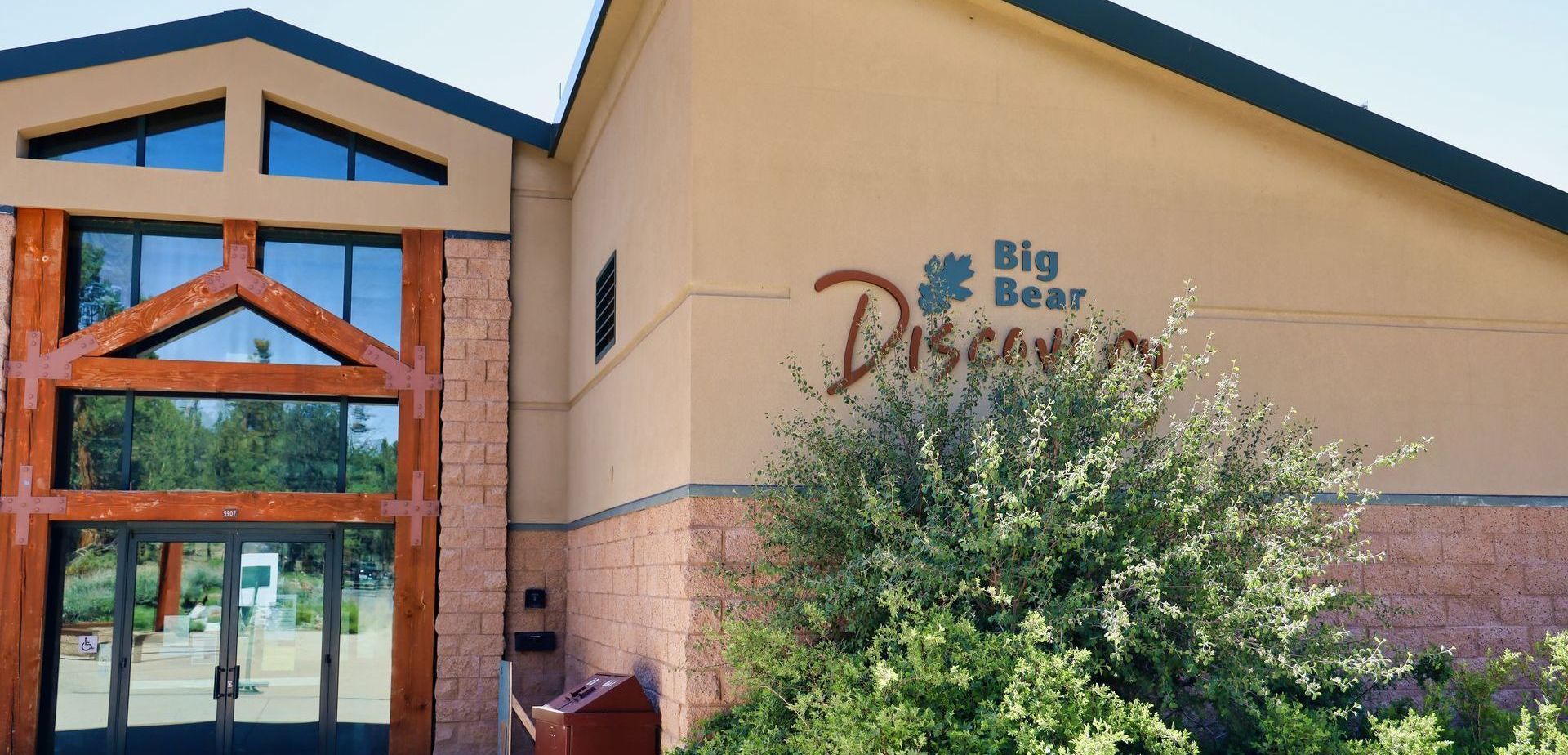
Discovery Center Nature Trail
An easy loop near the Discovery Center that’s good for families and first-time visitors.
It’s one of the simplest ways to get a feel for Big Bear’s forest environment without committing to a longer hike.
Easy Trails in Big Bear Lake
These trails are good if you want something low effort but still scenic.
They’re typically shorter, flatter, and don’t require much planning.
Local insight:
These are
also the busiest trails, especially mid-day and on weekends. If you want a quieter experience, mornings are noticeably better.
Moderate Hiking Trails in Big Bear
If you want something more like a traditional hike, these are a good next step.
They usually involve some elevation gain and take a bit more time, still doable.
Local insight:
These trails start to get you into more forested areas and higher viewpoints compared to the easier options.
More Challenging Hikes in Big Bear
These hikes are better if you’re looking for more elevation & longer distances,.
They usually involve a lot of elevation gain and take a lot more time.
Local insight:
Some of these are shorter than people expect, but steeper. Others feel longer because of elevation. It’s not just distance — it’s how the trail climbs.
Which Trail Should You Choose?
If you’re not sure where to go, this is a simple way to decide:
- Short, easy walk: Alpine Pedal Path
- Quiet and open views: Stanfield Marsh
- First real hike: Cougar Crest Trail
- Best views for the effort: Castle Rock
- Longer, more relaxed hike: Pine Knot Trail
Most people start easy, then decide if they want something more challenging after.
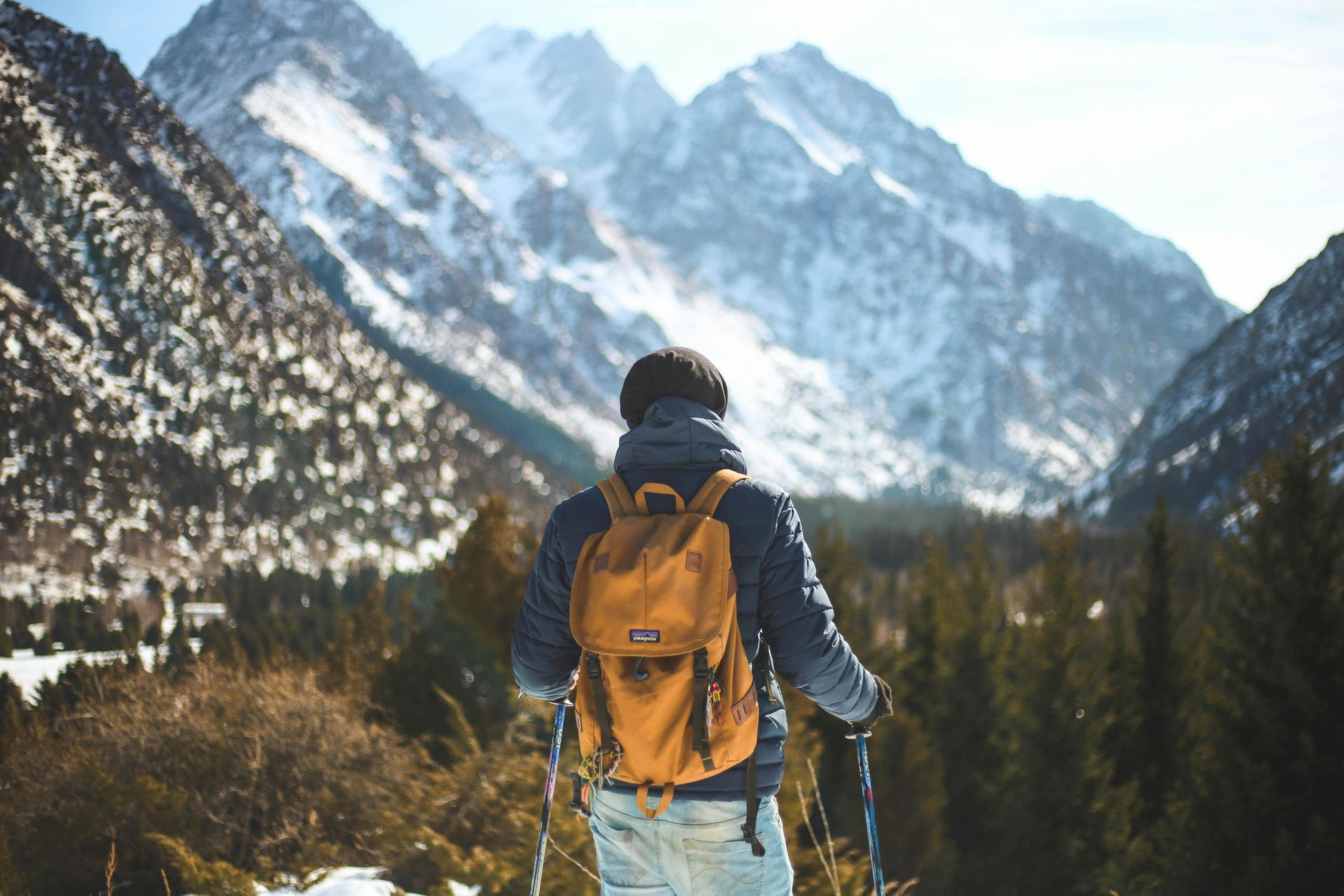
What to Expect When Hiking in Big Bear
Hiking in Big Bear is fairly straightforward, but there are a few things that surprise people.
- Elevation can make hikes feel harder than expected
- Trails vary a lot (forest, lake views, exposed areas)
- Weather can change quickly
- Parking fills up fast at popular trailheads
- Some trails have limited signage
Even easier hikes can feel more tiring if you’re not used to the elevation.
When Is the Best Time to Hike in Big Bear?
- Morning: Best overall (cooler, less crowded)
- Midday: Busiest, especially on weekends
- Late afternoon: Quieter, but shorter daylight in some seasons
Seasonally:
- Spring/Summer: Most accessible trails
- Fall: Cooler weather and fewer crowds
- Winter: Some trails snowy or icy — conditions vary
Common Mistakes When Hiking in Big Bear
A few things that tend to catch people off guard:
- Choosing a trail that’s too difficult for their first hike
- Underestimating elevation
- Starting mid-day when it’s busiest
- Not bringing water
- Expecting every trail to be clearly marked
The best approach is to start simple and build from there.
Common Mistakes When Hiking in Big Bear
A few things that tend to catch people off guard:
- Choosing a trail that’s too difficult for their first hike
- Underestimating elevation
- Starting mid-day when it’s busiest
- Not bringing water
- Expecting every trail to be clearly marked
The best approach is to start simple and build from there.
Tips for Hiking in Big Bear
- Start early if possible
- Bring water, even for short hikes
- Wear proper shoes (some trails are rocky)
- Check conditions in winter
- Stay on marked trails
- Take your time — there’s no rush
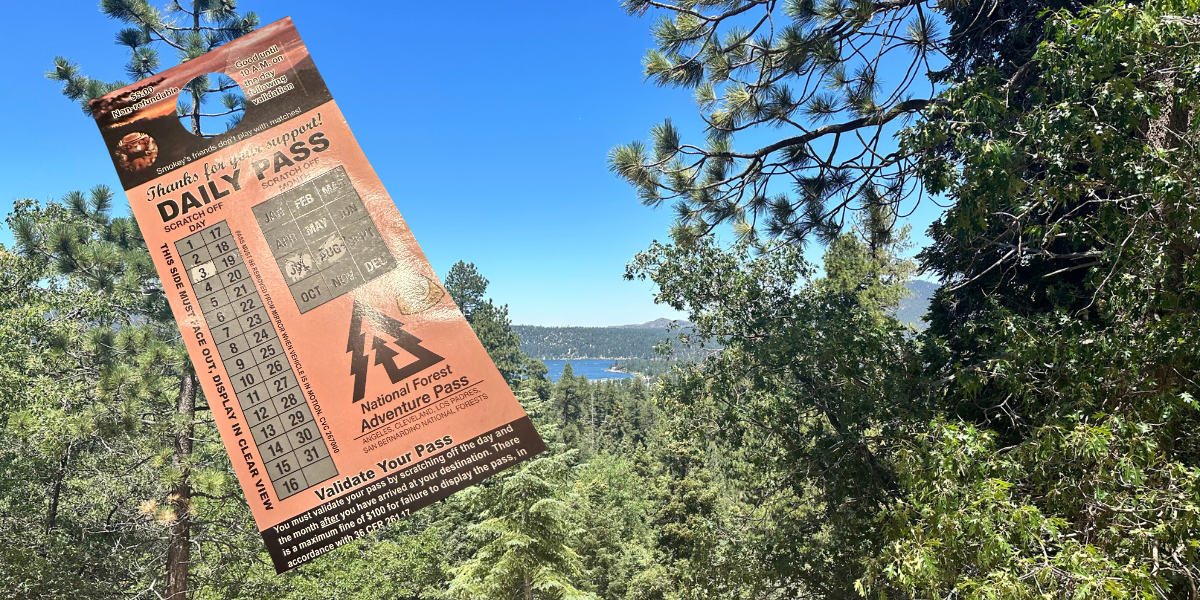
Do You Need an Adventure Pass?
Some trailheads and parking areas in Big Bear require an Adventure Pass, especially in National Forest areas.
It’s not always obvious which locations require one, and it can vary depending on where you park.
If you’re unsure, it’s best to check ahead before heading out.
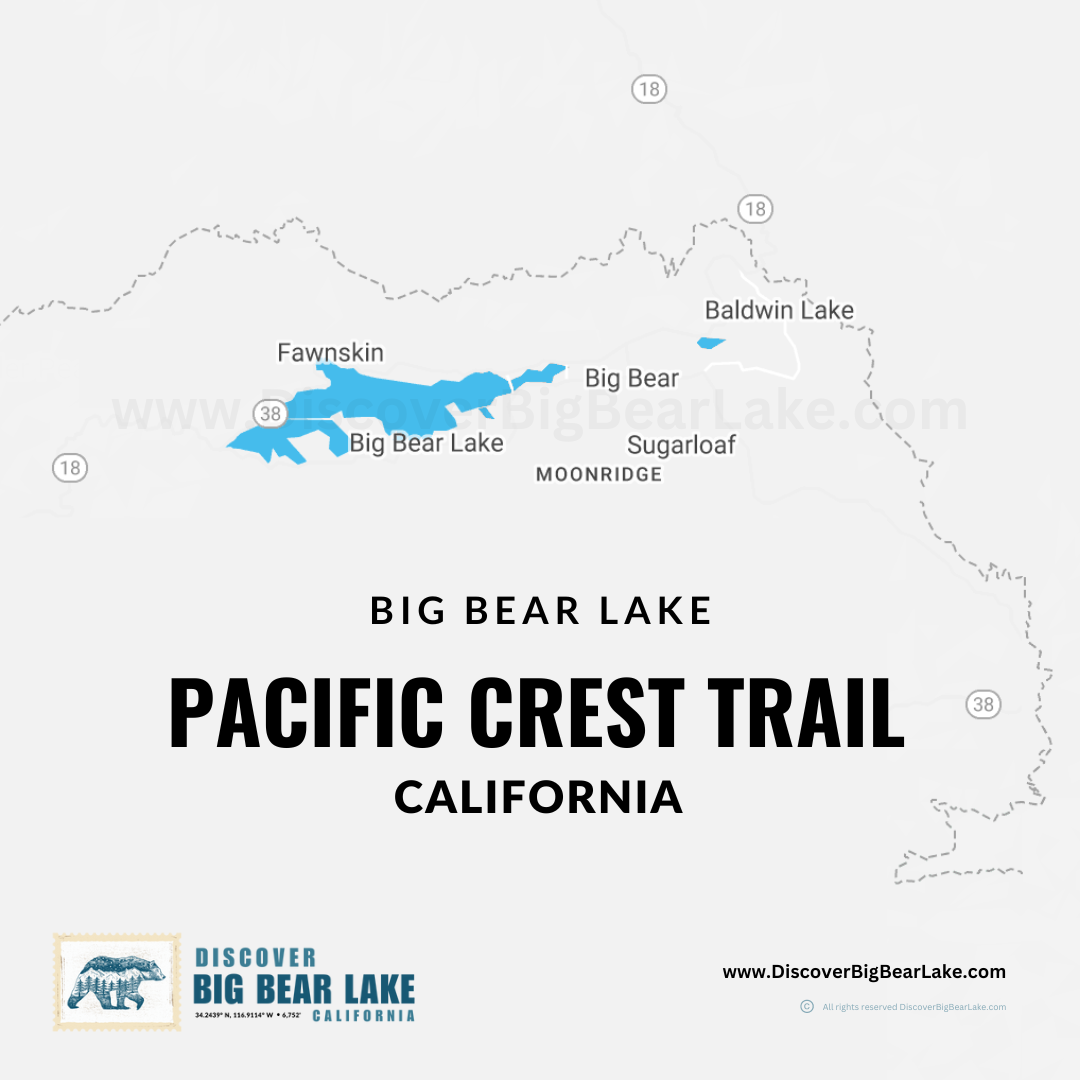
Pacific Crest Trail (PCT) in Big Bear
A section of the Pacific Crest Trail (PCT) passes through the Big Bear area, and some local hikes connect to or overlap with it.
While most visitors aren’t hiking the full PCT, it does add access to longer and more remote trail options around Big Bear.
Hiking with Dogs in Big Bear
Many trails in Big Bear are dog-friendly, which is one of the reasons it’s a popular place for visitors bringing pets.
Most trails require dogs to be on leash, and some are better suited than others depending on terrain and crowds. Easier trails like the Alpine Pedal Path or Stanfield Marsh tend to be the most comfortable options.
If you’re planning to hike with your dog, it’s worth choosing a trail that matches both your pace and the conditions. You can read more in our Dog Friendly Guide to Big Bear Lake.