
Winter in Big Bear Lake
Winter in Big Bear Lake
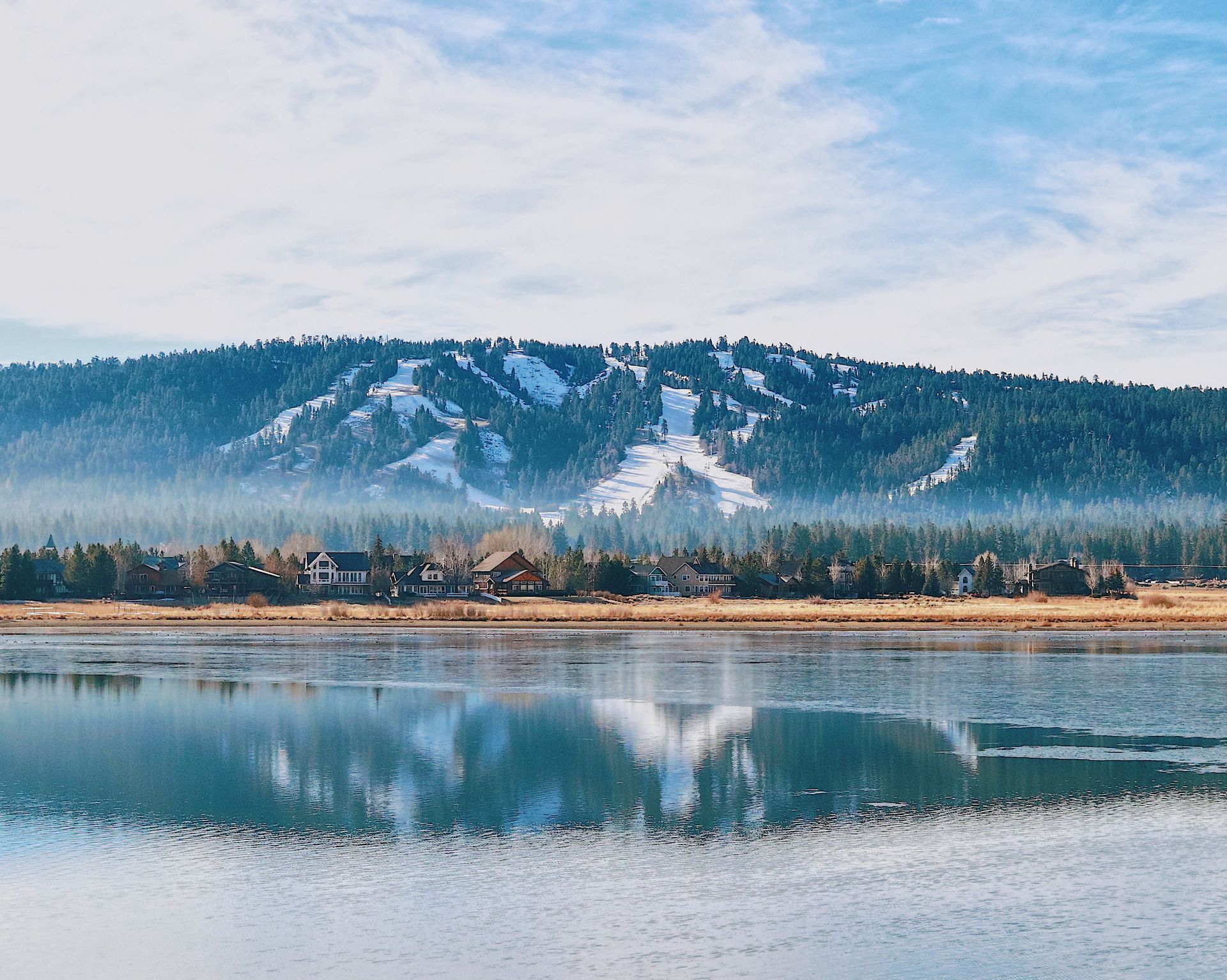
Winter in Big Bear Lake transforms the mountain town into a popular snow destination, drawing visitors for skiing, snow play, and scenic winter landscapes.
This guide covers everything first-time visitors should know about winter conditions, travel planning, and cold-weather activities to help you prepare and enjoy your trip safely.
Winter in Big Bear Lake
Snow Activities in Big Bear Lake
Winter in Big Bear Lake offers a range of snow activities, from resort skiing to family-friendly snow play and quieter outdoor experiences. Choosing the right activity often depends on skill level, crowds, and how much time you want to spend in the snow.
Skiing and Snowboarding
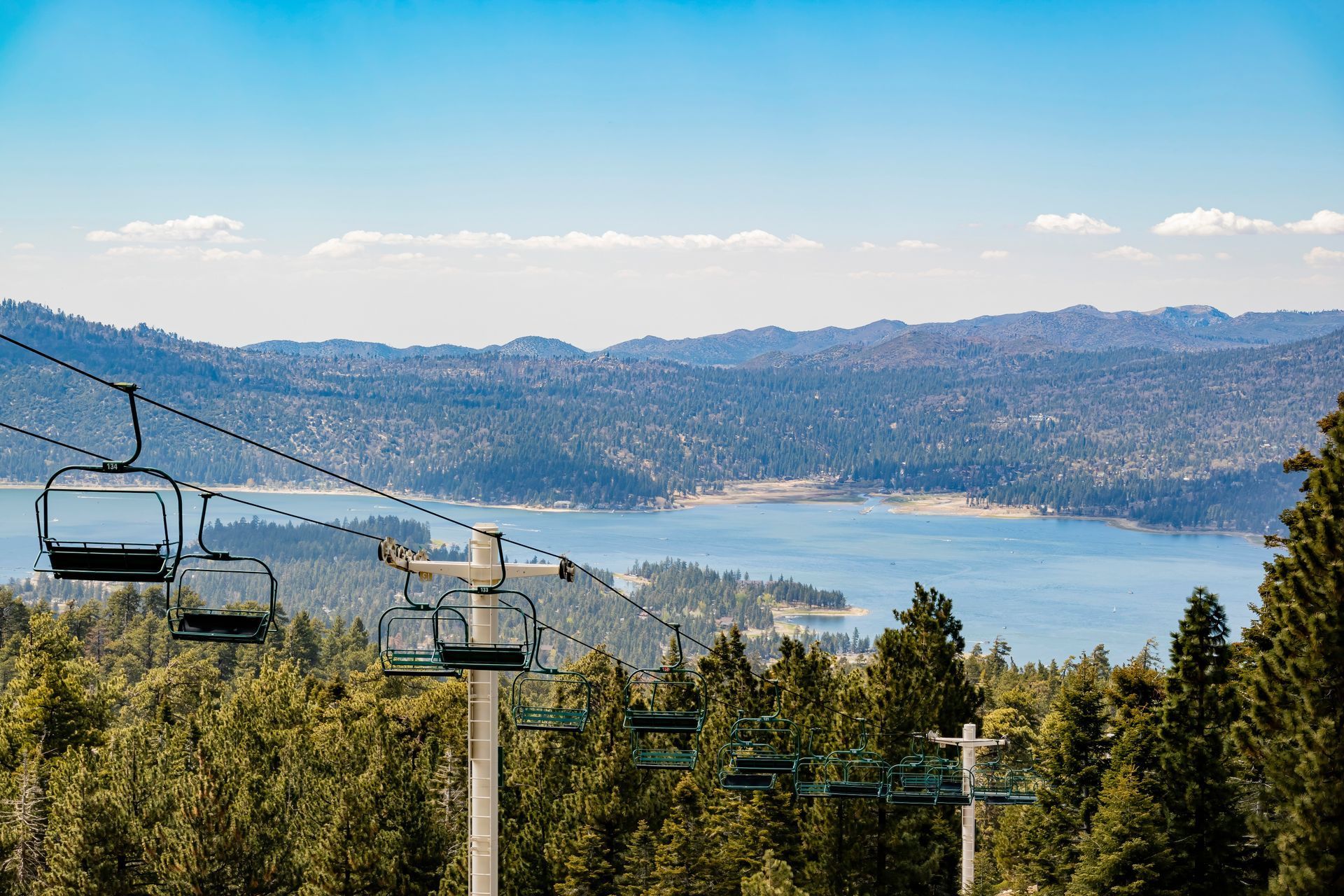
Big Bear Lake is home to popular two local ski resorts with terrain for beginners through advanced riders.
Snow Play & Sledding
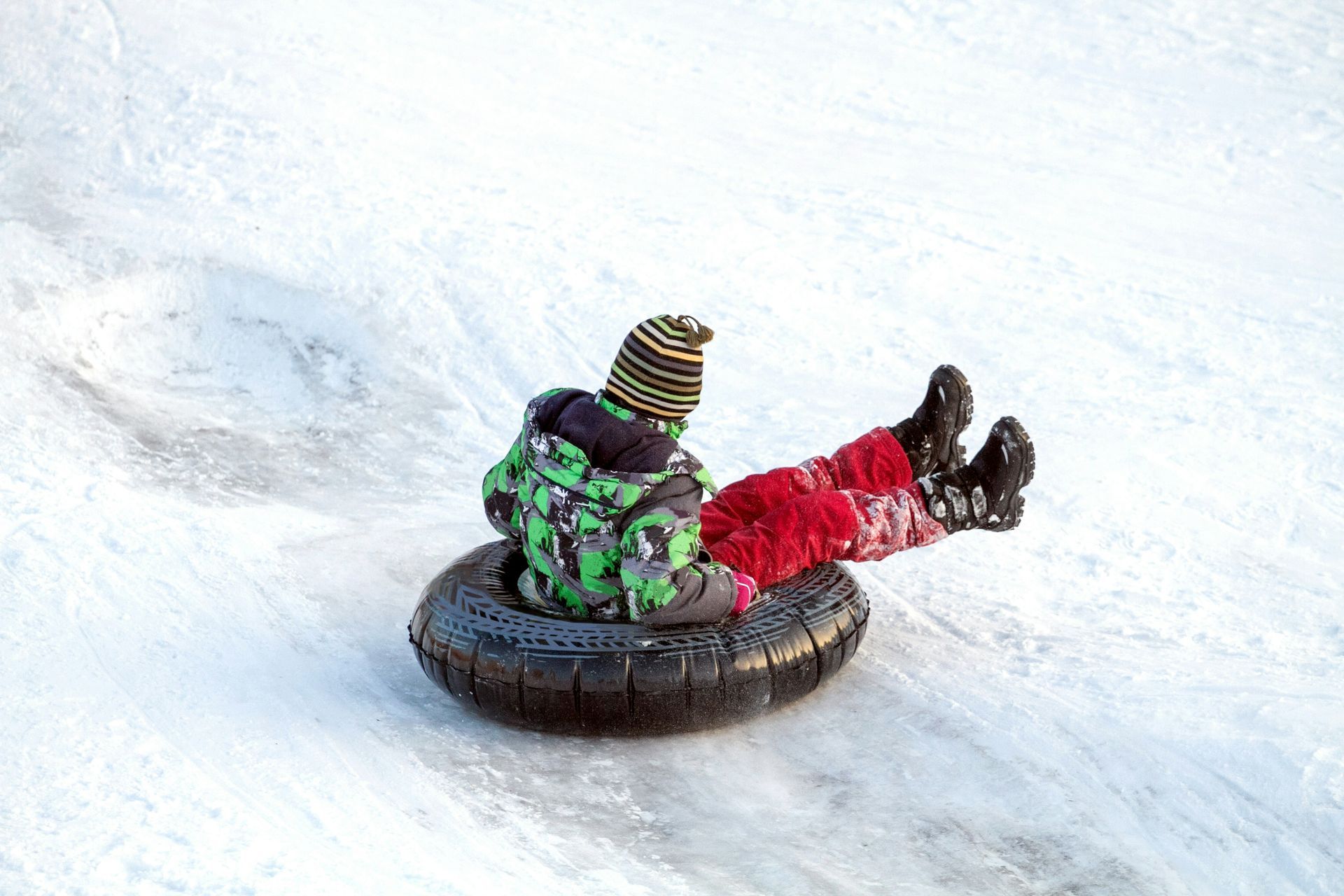
Snow play areas and sledding hills are popular with families and visitors who want to enjoy the snow without skiing or riding.
Snowshoeing & Trails
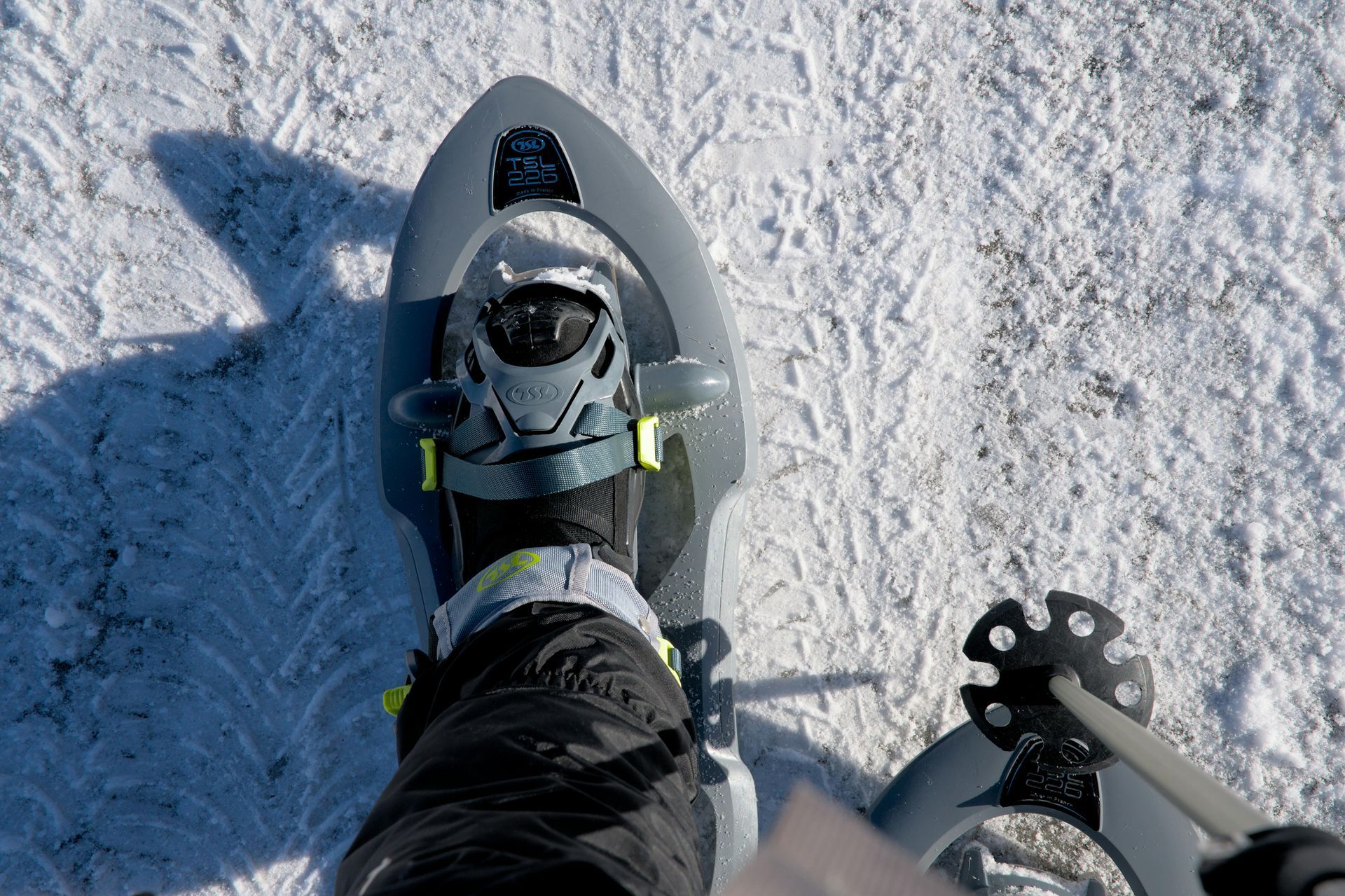
Snowshoeing offers a quieter way to experience winter landscapes away from crowded areas and attractions.
Winter in Big Bear Lake
Winter Driving & Chain Requirements
Winter driving is one of the most important things to plan for when visiting Big Bear Lake. Snowstorms can lead to icy roads, reduced traction, and mandatory chain requirements on mountain highways.
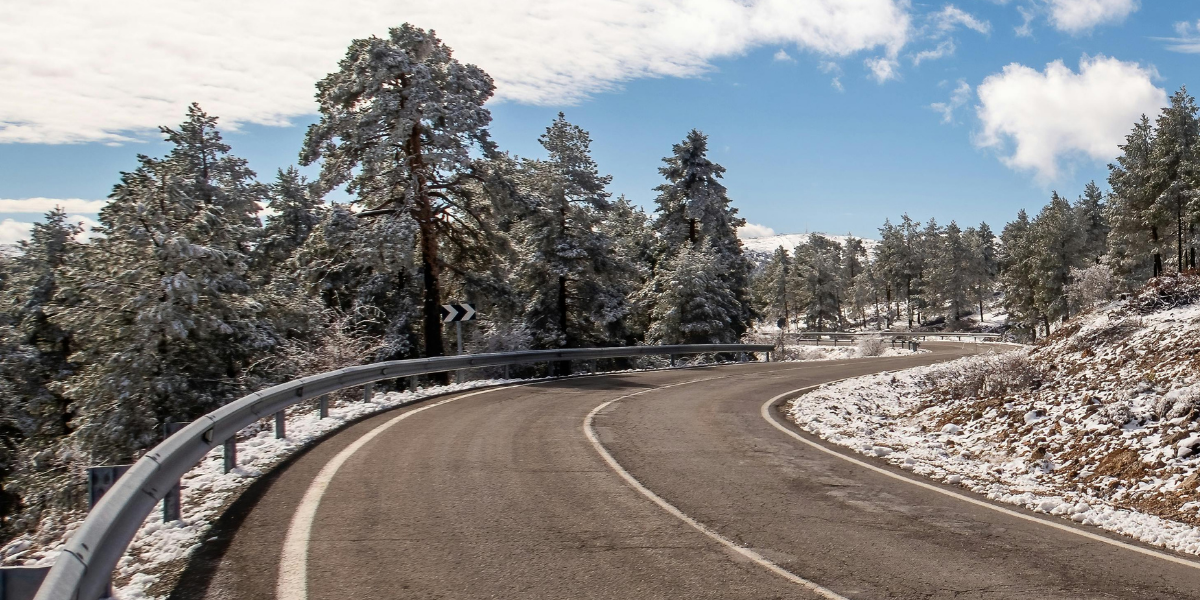
Winter Driving in Big Bear Lake
Read about the winter driving conditions in the Big Bear Lake.
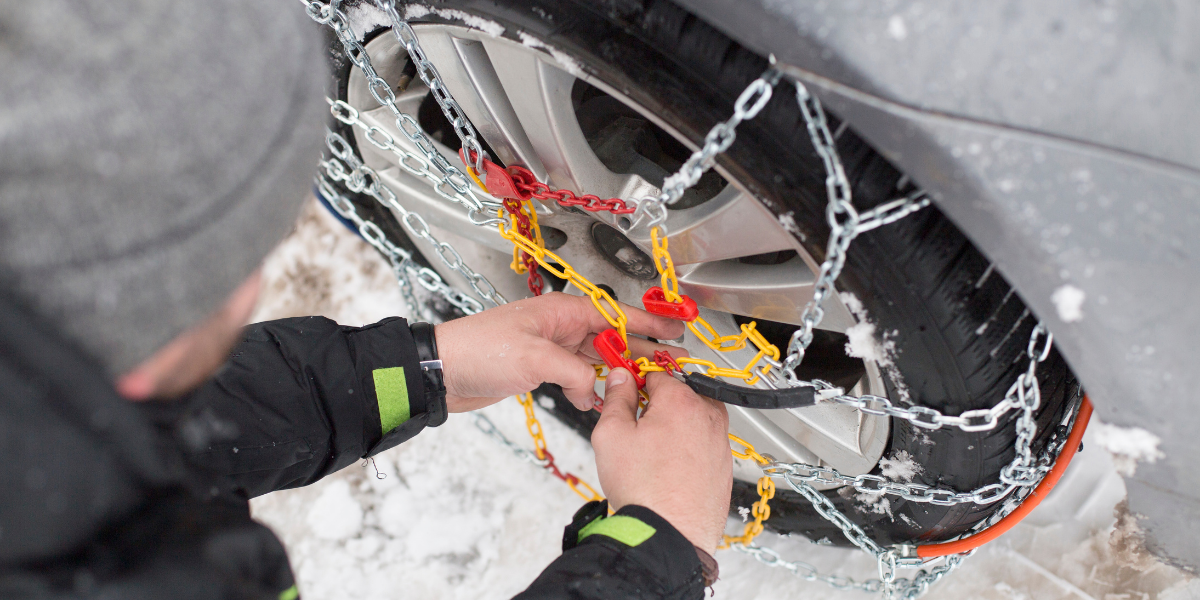
Tire Chain Requirements in Big Bear
Learn about chain requirements in Big Bear Lake during the winter.
Winter in Big Bear Lake
What Winter Is Like in Big Bear Lake
Big Bear Lake sits at over 6,700 feet, which means winter weather can vary significantly from conditions at lower elevations. Snowfall is common, but not constant, and weather can change quickly.
Some winter days are cold and clear, while others bring snow, ice, and reduced visibility. Visitors should plan for winter driving conditions and colder temperatures, especially at night.
Where to Stay During Winter
Winter lodging choices in Big Bear Lake can directly affect how easy it is to get around during snow events. Visitors planning to ski or snowboard may want to stay near the ski resorts or close to shuttle-access parking areas, reducing the need to drive on snowy roads.
Neighborhoods such as Moonridge and other hillside areas often include steep roads and sloped driveways, which can be challenging after snowfall depending on your vehicle and experience driving in winter conditions. While staying near The Village offers walkable access to restaurants, driving into and parking in the area during snowy weekends can be slow and congested.
Winter stays often require weighing walkability against road conditions and ease of access.
What to Pack for Winter
Visitors are often surprised by how cold winter temperatures can feel at elevation. Packing layers, waterproof outerwear, gloves, hats, and appropriate footwear helps keep you comfortable both outdoors and around town. Even short outings can feel colder after sunset.
Busy Times & Winter Crowds
Winter weather in Big Bear Lake can change dramatically throughout the day. It’s not uncommon to see daytime temperatures in the 30s or even 60s when the sun is out, followed by evening and overnight temperatures dropping into the 20s.
On sunny winter days, a light jacket or sweatshirt may feel comfortable, while the same day can feel very cold once the sun sets. Packing layers is essential, allowing you to adjust easily as temperatures shift. A waterproof outer layer, warm mid-layers, gloves, a hat, and sturdy footwear help keep you comfortable whether you’re outside during the day or walking around town at night.
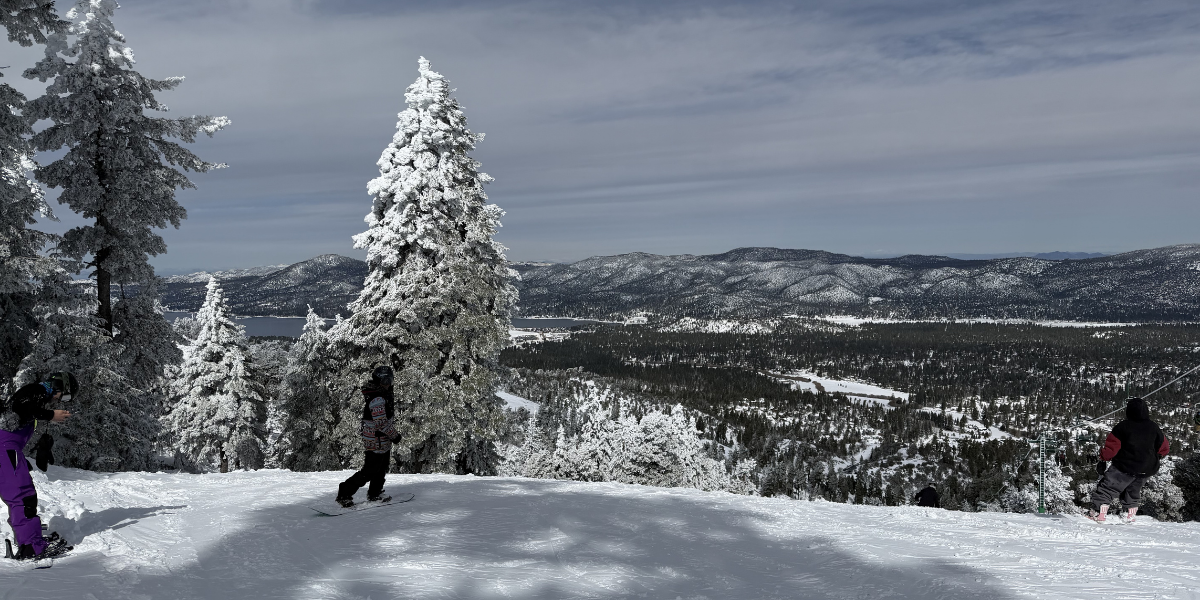
Is there Snow in Big Bear Right Now?
See current snow conditions, road updates, and where you’ll still find snow around town.
Winter in Big Bear Lake
Frequently Asked Questions About Winter in Big Bear Lake
Does it always snow in Big Bear Lake during winter?
No. Snowfall varies year to year and even week to week. Some winter visits may have heavy snow, while others have clear roads and mild daytime temperatures. Checking the forecast before your trip is important.
Do I need chains to drive to Big Bear Lake in winter?
Chains may be required during or after snowstorms, depending on road conditions. Even vehicles with all-wheel or four-wheel drive can be required to carry or install chains when restrictions are in place. Chains must be carried in vehicles at all times in the winter.
Is Big Bear Lake cold in winter?
Yes, especially at night. Daytime temperatures can feel mild when the sun is out, but evenings and mornings often drop into the 20s or 30s. Temperature swings are common, which is why layers are recommended.
Can you visit Big Bear Lake in winter without skiing or snowboarding?
Absolutely. Many visitors come for snow play, sledding, scenic winter drives, snowshoeing, dining, and enjoying the mountain atmosphere without participating in ski resort activities.
Are roads in Big Bear Lake steep or difficult in winter?
Some neighborhoods and areas, particularly hillside locations like Moonridge, have steep roads and driveways that can be icy after storms. Main roads are usually plowed first, but driving conditions can vary depending on weather and timing. Because overnight lows typically drop below freezing, roads can often be icy.
What should I pack for a winter trip to Big Bear Lake?
Pack layers. Winter days can feel warm in the sun and very cold after sunset. Waterproof outerwear, warm layers, gloves, a hat, and winter-appropriate footwear are strongly recommended.